
Metro Magazine

 MENU
MENU SEARCHMENUSEARCH
Some of the benefits discussed by a CityLab report, include a 70% savings in staff, higher frequencies, significant operational savings and more room for passengers.
Read More →
System saves MTR two days a week of wrangling over the repair schedule. Also, repair teams now have 30 minutes longer to finish their night's work — a small time boost that saves MTR $800,000 a year.
Read More →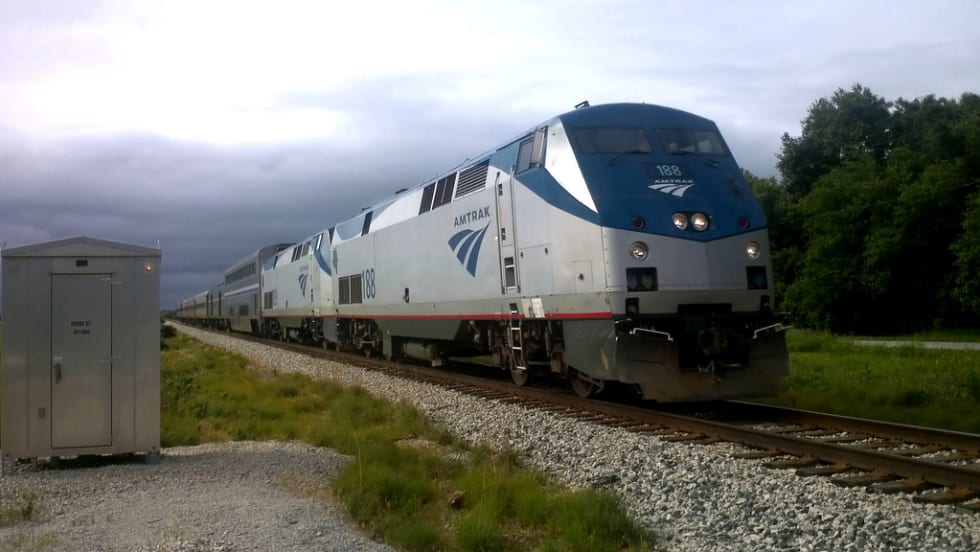
State, county and city officials advertised for independent companies to submit plans to find efficiencies and close the gap between revenues and operating costs.
Read More →
As part of the proposed blueprint for remaking the city filed in bankruptcy court, the department discussed several inefficiencies as well as a plan to address them over the next few years.
Read More →Public policy makers should eliminate duplications and/or have high-performing transit agencies manage services for low-performing adjacent areas, report recommends.
Read More →New performance and management strategies have taken hold over the past year, cutting expenses, boosting workforce efficiency and winning approval from the AC Transit board of directors.
Read More →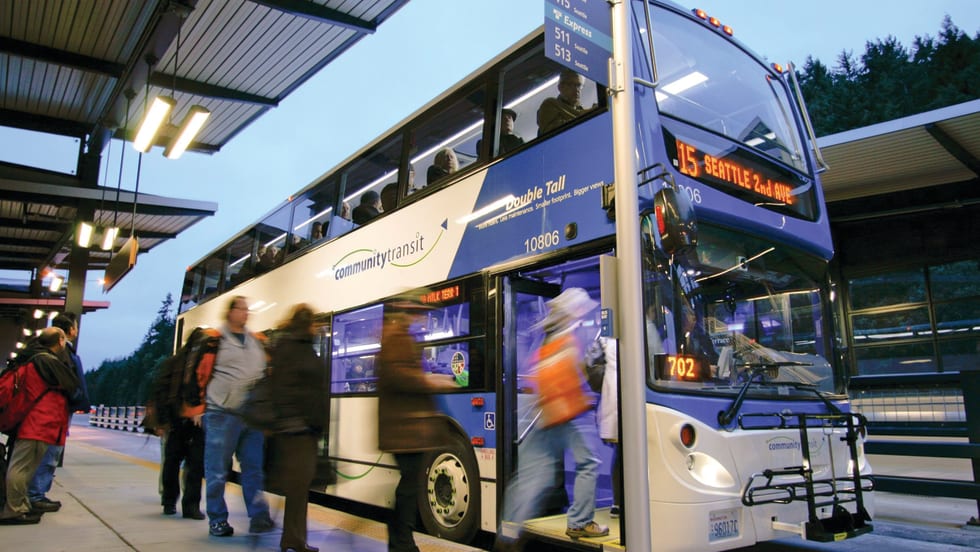
Has cut its service by 37% over the past three years, but hopes to increase ridership by making its services more productive.
Read More →MBCR, which operates a fleet of coaches that average more than 24 years in age, with some cars that are nearly 40 years old, reported an average of less than one air conditioning malfunction per day from June 1 until September 15th for the 356 passenger coaches used in daily service.
Read More →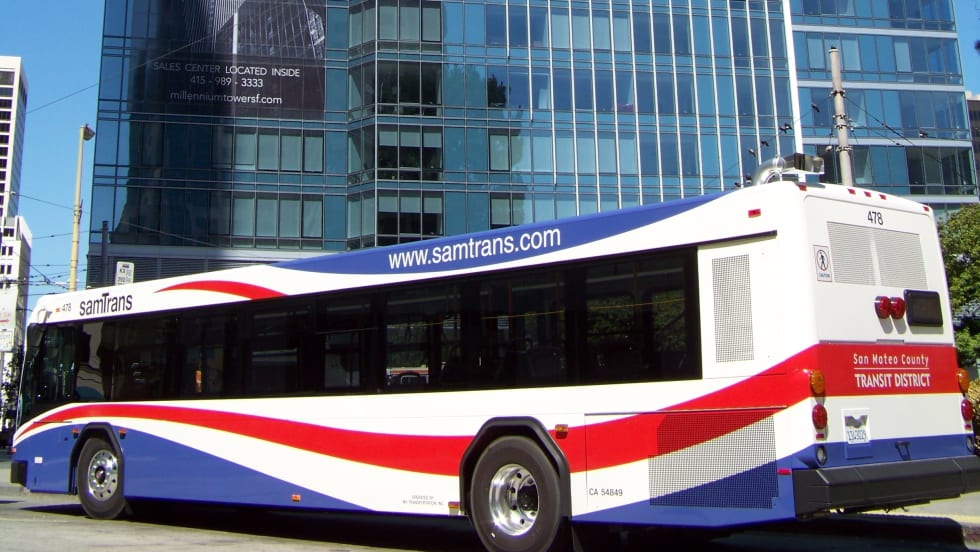
The average transit executive spent 23 years in the industry, with an average annual salary of $113,000, according to METRO’s seventh annual survey.
Read More →
Implementing a fuel transition program and buying used buses are some tactics this year’s respondents are turning to.
Read More →