
Metro Magazine

 MENU
MENU SEARCHMENUSEARCH
Loading data...
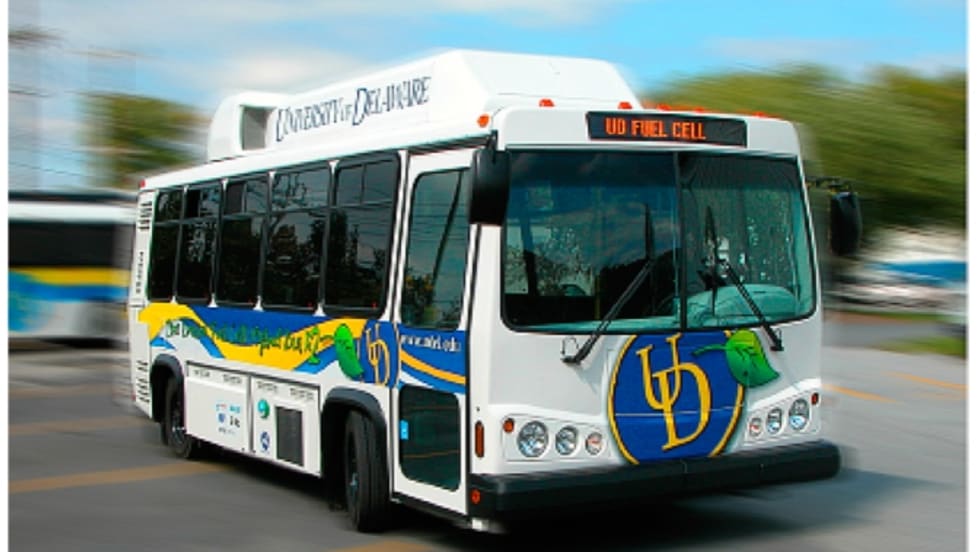
The program currently includes two 22-foot, 22-seat transit buses equipped with nickel-cadmium batteries to meet the power demand of the buses and hydrogen-fueled proton exchange membrane fuel cells to maintain the state-of-charge of the batteries.
Read More →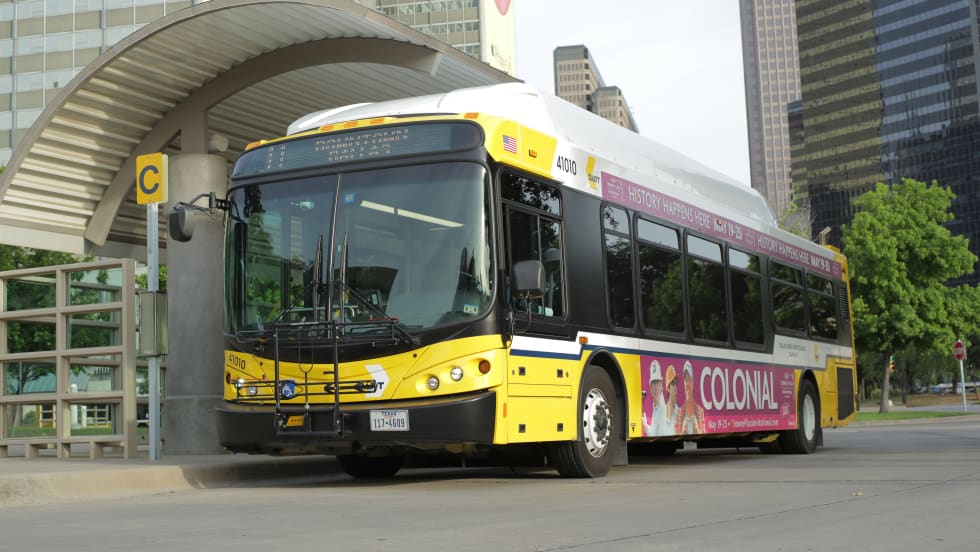


APTA statistics for 2014 show that 16.9% of public transit buses were hybrid-electric. Coming in a close second, public transit systems report that 16.7% of U.S. transit buses used compressed natural gas (CNG), liquefied natural gas (LNG) and blends. Biodiesel is used by 7.4% of public transit buses. Other alternative fuels, such as propane and hydrogen, account for 0.3%.
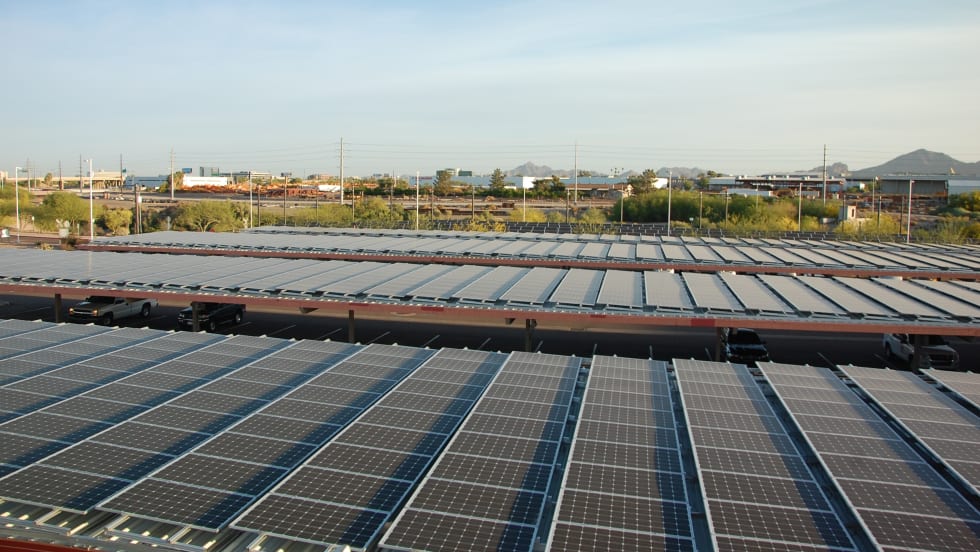
Read More →The new solar plant, which comprises 2,800 solar voltaic panels spanning 1.15 acres, is mounted at ground-level and on parking lot shade canopies. It’s capable of generating 1.3 million Kilowatt-hours (kWh) of energy savings annually, or enough electricity to power 123 homes.
Read More →As well as highways evolving, the report foresees that patterns of ownership will change in the coming years, with commuters more likely to purchase access to a vehicle rather than the vehicle itself.
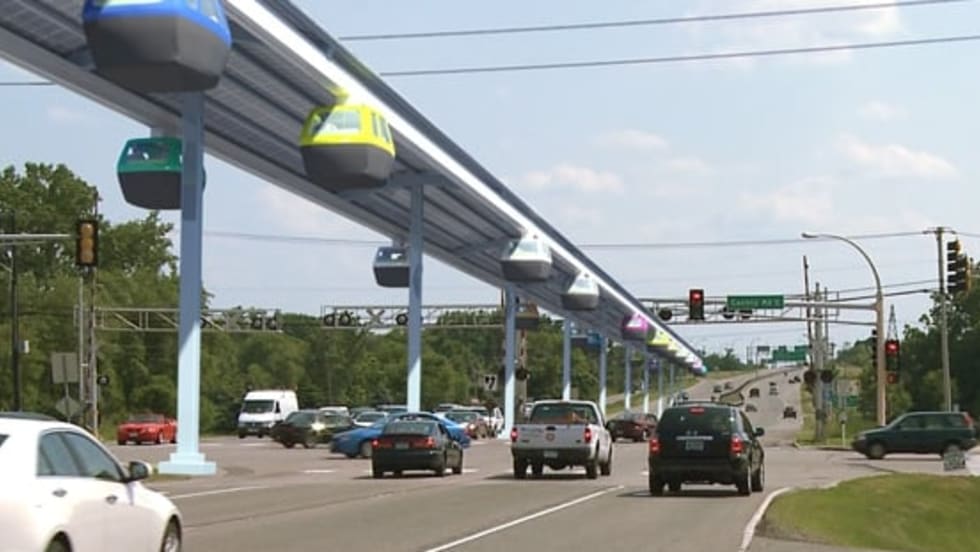
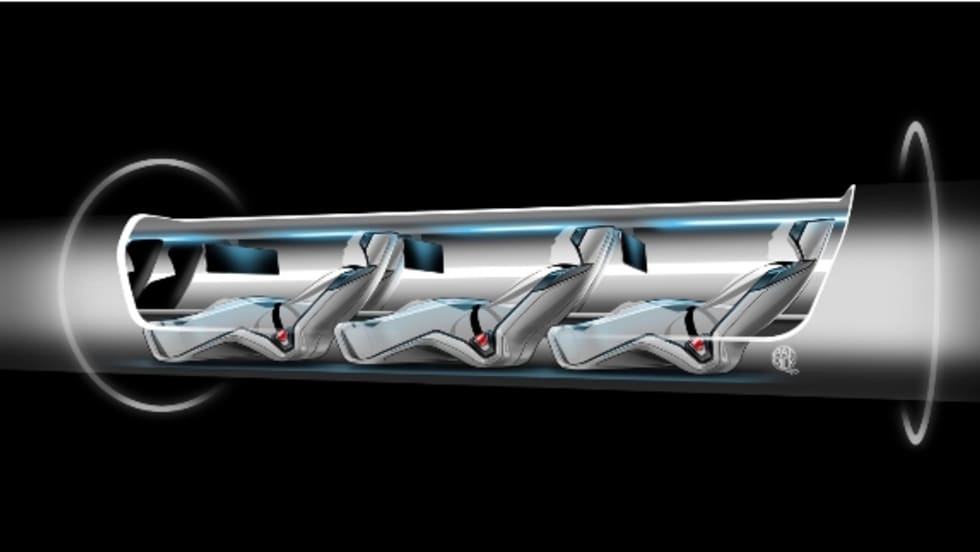
Read More →The pods essentially operate as mini, personal trains. They travel point-to-point along the rail network to the destination you input via an interactive touch screen.
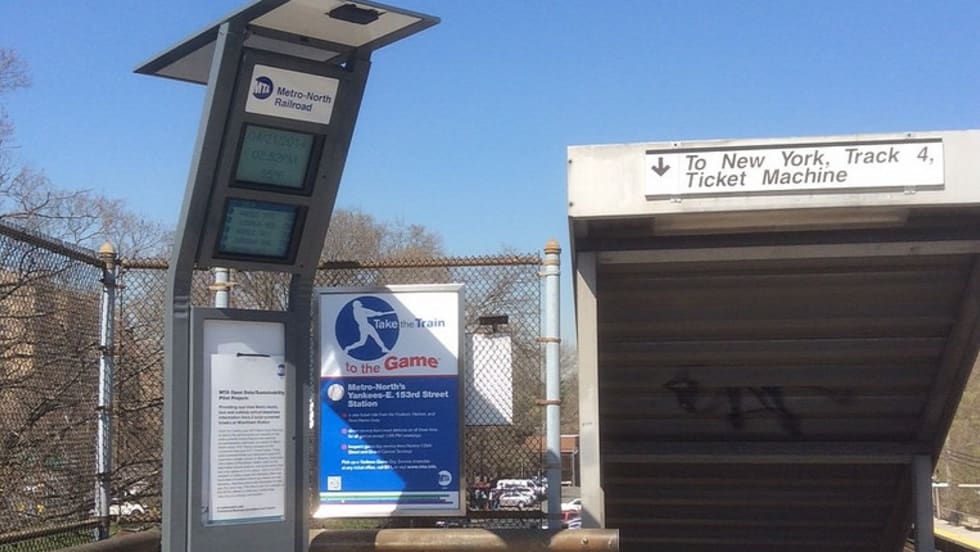
Read More →Powered 100% by sunlight, the kiosks draw no power from the electrical grid and can remain active for 10 days without needing to be recharged by the sun.
Read More →Installing a solar plant capable of generating 780 kilowatts of energy annually at its light rail operations and maintenance facility in Phoenix. The plant is estimated to save the agency approximately $100,000 on average per year.
Read More →The 12-foot shelter, purchased from Tolar Manufacturing Company Inc., is equipped with a solar light bar.
Read More →System would transport people via aluminum pods enclosed inside of steel tubes that would travel up to 800 miles per hour.
Read More →Presented with the Governor’s Environmental and Economic Leadership Award, the highest environmental honor in the state of California, for building the most comprehensive hydrogen fuel cell demonstration program in the country. Its zero-emission fuel cell buses achieve nearly double the fuel economy of conventional buses.
Read More →