



N.J. to test solar-powered commuter pods
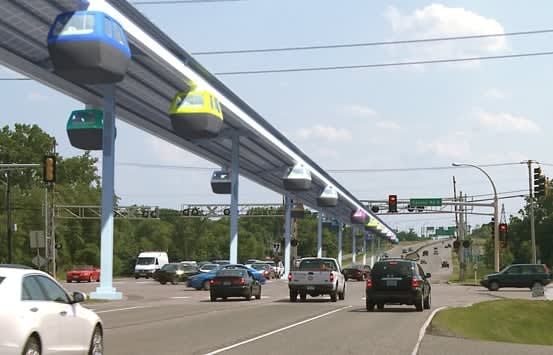
The pods essentially operate as mini, personal trains. They travel point-to-point along the rail network to the destination you input via an interactive touch screen.

JPods
JPods
SECAUCUS, N.J. — A new form of public transportation, JPods, soon to be tested in New Jersey is likened "something out of the Jetsons." JPod's concept is to design, build and operate on-demand and computerized PRT networks that can be solar-powered, Fast Company reported.
RELATED:SkyTran's futuristic elevated transport system to be built in Israel
The pods essentially operate as mini, personal trains. They travel point-to-point along the rail network to the destination you input via an interactive touch screen. With more stations and switch points than a commuter rail or subway network, JPods can get a traveler much closer to their intended destination than mass transit, according to the report.
RELATED:Intro to the Ultra driverless pod car
The company, which intends to build a privately funded mobility network in Secaucus to demonstrate its cost effectiveness, plans to deploy networks of Horizontal-Elevators™ that provide short to medium range travel using ultra-light, computer controlled vehicles that are suspended from rail, mounted on elevated structures.
For the full story, click here.
More Paratransit

Biz Briefs: RIPTA Unveils New Frontrunners, Clevland RTA Adds New Siemens, and More
In METRO's latest installment, we take a look at recent news from Siemens, Prevost, Dodge, and more partnerships making headlines across the transportation sector.
Read More →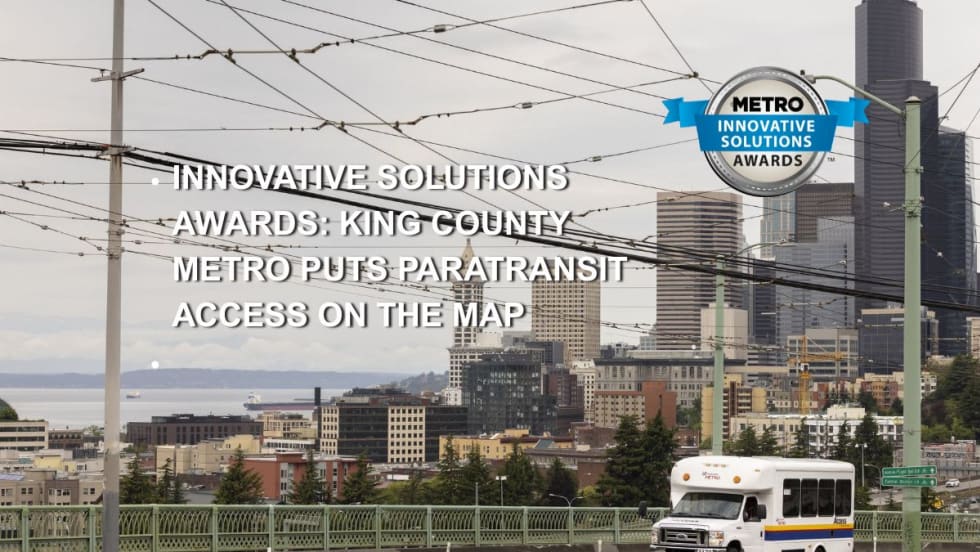
King County Metro Makes ADA Paratransit Easier to Navigate
METRO's Innovative Solutions Award winner replaces complex service-area descriptions with an accessible, interactive map that puts paratransit information directly in customers’ hands.
Read More →
Jacksonville’s NAVI Project Charts a New Course for Autonomous Public Transportation
Through its NAVI program, JTA is showing how autonomous vehicles, intelligent infrastructure, and coordinated operations can work together to deliver everyday public transportation.
Read More →
Driving Smarter Paratransit
John Hanlon shares how AlphaRoute is leveraging AI-powered technology to help paratransit providers optimize operations, support frontline staff, and enhance the rider experience.
Read More →
METRO Magazine Announces 2026 Innovative Solutions Awards Winners
Projects Recognized for Advancing Mobility Through Technology, Accessibility, Workforce Innovation, and Operational Excellence
Read More →
Biz Briefs: STV teams with Amtrak, Motorcoach Operators Boost Fleet and Land Contracts, and More
From manufacturers and suppliers to transit agencies and motorcoach operators, these updates offer a snapshot of the projects, partnerships and business moves driving the industry forward.
Read More →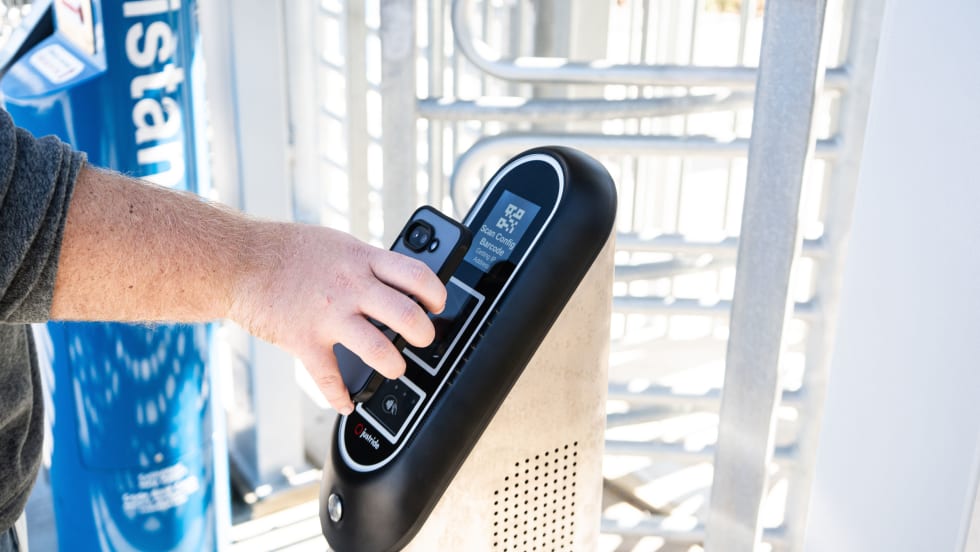
Biz Briefs: Masabi Teams with St. Louis Metro and More
In METRO's latest installment, we take a look at recent news from Transdev, Hitachi, and more partnerships making headlines across the transportation sector.
Read More →
New York MTA Leverages Zoning Program to Advance Station Accessibility
Accessibility enhancements at Nevins St Station will be financed through a development agreement tied to the MTA's Zoning for Accessibility initiative.
Read More →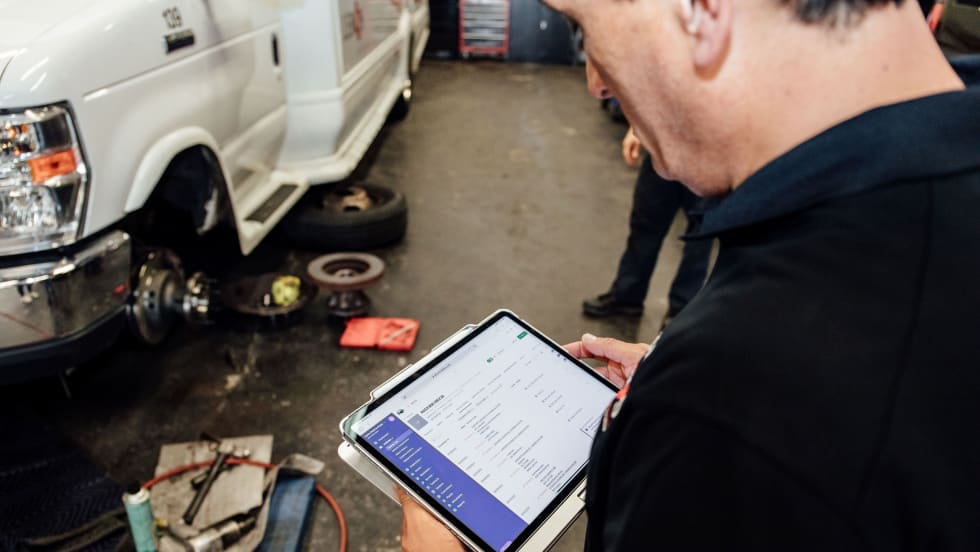
Reinventing Fleet Maintenance with Real-time Visibility and AI
Transit leaders need to know what needs fixing, where to look, who is responsible, when work is completed, and what it costs without having to chase information across disconnected systems.
Read More →
SamTrans Sets Priorities for Potential Connect Bay Area Revenue
The board-approved framework allocates future funding to maintaining service, rider improvements, equity initiatives, and infrastructure repairs.
Read More →