
Metro Magazine

 MENU
 SEARCHMENUSEARCH
Loading data...

The Hurontario LRT and Hamilton LRT projects are part of the largest infrastructure investment in Ontario’s history and are expected to have an impressive impact on regional transit by providing crucial links between many of the existing lines.
Read More →




Completion of Oahu's rail project is already two years behind schedule and the cost has risen to roughly $6.5 billion — an increase of more than a billion dollars.
Read More →The chair of tHRive told The Virginian-Pilot that light rail needs to be looked at as an investment, not a cost, and that public transportation investments should be discussed in tandem with maintaining roads.
Read More →Over the next several weeks, crews will be pouring the cars, making sure they work like they are supposed to. The detailing and eventual guideway testing will all take place at HART's operations center in Waipahu.
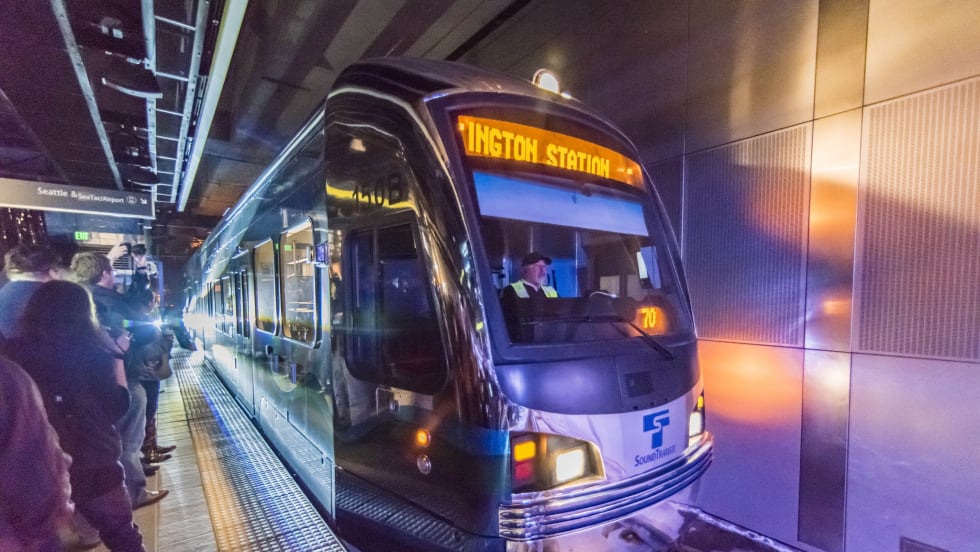
Read More →The University Link project is opening six months ahead of schedule and about $200 million under its $1.9 billion budget.
Read More →Work on the $327 million project began in January 2013 after incoming leaders dedicated City of Phoenix and Proposition 400 funds to prevent additional delays to the project that would have resulted in the line opening in 2023.
Read More →Building on the success of the First Wave of RT projects — York Viva Bus Rapid Transit, Eglinton Light Rail Transit and Finch West LRT — Metrolinx plans to extend transit service to neighbouring municipalities and regional areas outside the City of Toronto with the Next Wave projects.
Read More →The extension includes six new rail stations, providing access to locations such as City of Hope hospital, Azusa Pacific University, Citrus College and Santa Anita Racetrack.
Read More →Following negotiations with Purple Line Transit Partners, an agreement has been set that will see the state’s upfront expenditure for construction cost drop to $159.8 million – $8 million less than the $168 million threshold Gov. Hogan originally announced.
Read More →Planned to cover 17 miles, with an estimated travel time from end-to-end approximated to be between 42 and 44 minutes, the system will connect several universities, including UNC and Duke.
Read More →