
Metro Magazine

 MENU
MENU SEARCHMENUSEARCH
Under the Invest in American Jobs Act of 2013, all future highway, bridge, public transit, passenger rail, and airport projects financed by U.S. taxpayers would be stamped “Made in America” and crafted with American workmanship.
Read More →After a competitive bidding process following an unsolicited proposal by Kiewit Infrastructure Co., the RTD board of directors awarded a contract to Kiewit in July 2012 to complete the full I-225 Rail Line by the end of 2015. The line will open in 2016 after about six months of testing.
Read More →The transportation agency paid $2.9 million less in 2012 than it did in 2011 to employees cashing out their unused sick and vacation time. It also paid $4.1 million less in overtime from the previous year.
Read More →Building America's Future co-chair was joined at POLITICO transportation summit by other leaders in the transportation and infrastructure arena for a discussion about priorities for 2013 and a review of the year in transportation policy.
Read More →System needs state tax investments in bridge work, signals, new train engines and other improvements. Bridge work would improve on-time performance. Train engines initially scheduled for replacement in 2004 were delayed until 2013.
Read More →Rep. Bill Shuster (R-PA) was selected by the House Republican Conference to be the next Chairman of the House Transportation and Infrastructure Committee (T&I) on Tuesday. He succeeds Rep. John L. Mica (R-FL).
Read More →Peter Pantuso told members of the House Transportation and Infrastructure Committee that motorcoach transportation in the U.S. continues strong growth and remains exceptionally competitive against other modes of transportation, especially considering that Amtrak remains heavily subsidized by the federal government.
Read More →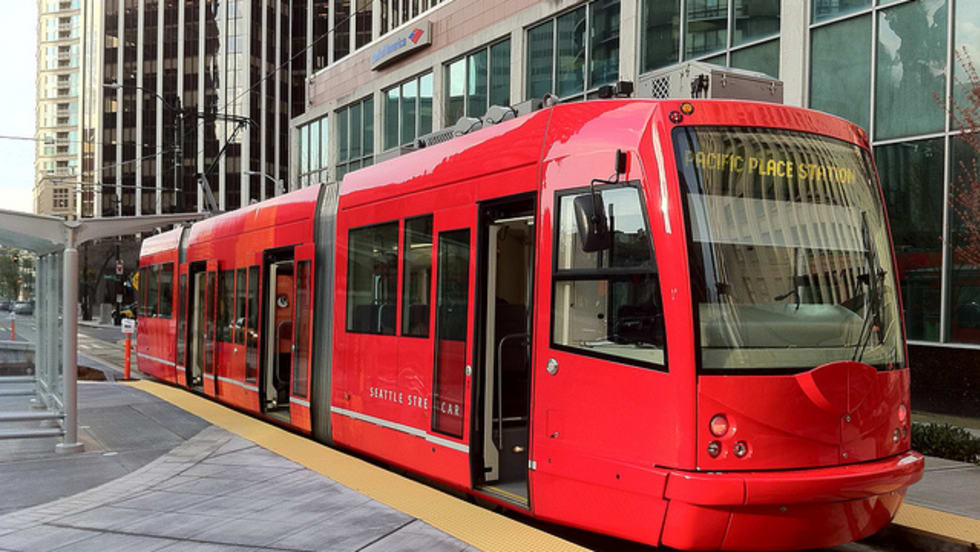
Hopes to offset impact of 12,000 new employees that would work at a planned high-rise campus site.
Read More →Effective immediately, state departments of transportation will have the ability to use their unspent earmarked highway funds, some of which are nearly 10 years old, on any eligible highway, transit, passenger rail or port project.
Read More →He also announced the establishment of the Project Finance Center to help state and local government project sponsors analyze financial options for highway, transit, rail, intermodal and other surface transportation projects facing funding challenges.
Read More →