
Metro Magazine

 MENU
 SEARCHMENUSEARCH
Loading data...
The regulatory reform allows rail testing vehicles to move without stopping along the track, potentially decreasing passenger and freight train delays associated with routine inspections.
Read More →



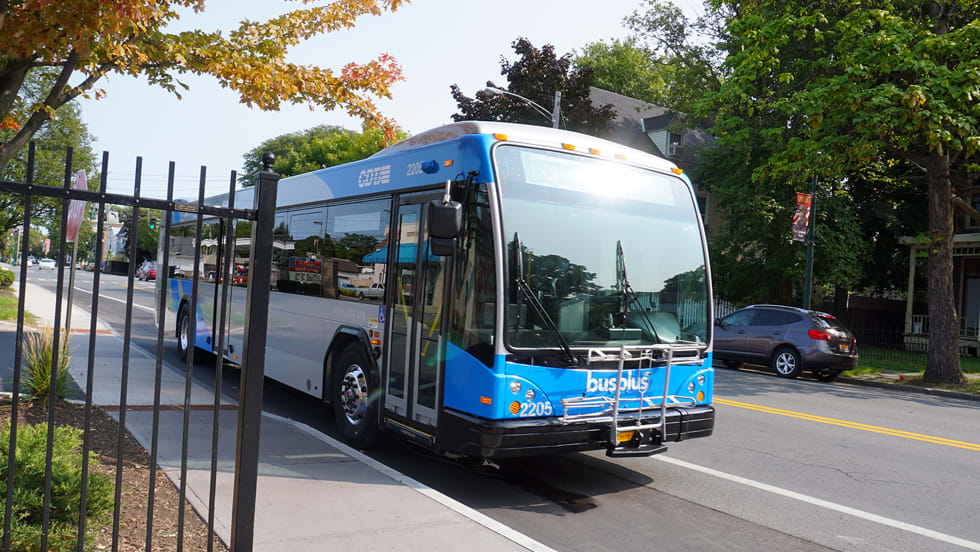

The new transit safety pledges give rail transit and commuter riders information to use when entering stations, accessing train platforms, and riding trains.
Read More →Will install seat belts on all of its motorcoaches by Spring 2013; add a driving simulator; conduct extensive background checks covering national and local databases and pre-employment personality testing to ensure compatibility with corporate values; and add a customer service training department.
Read More →A recent roundtable highlighted how crime on buses and trains is shaping the debate over federal transportation funding.
Read More →The FRA assessment found management emphasizes on-time performance to the detriment of safe operations and adequate maintenance of its infrastructure, resulting in a deficient safety culture, increased risk and reduced safety on the Metro-North system.
Read More →The new program will advance research and development efforts that seek to improve the safety, performance, and sustainability of freight, intercity passenger, and commuter rail.
Read More →Beginning in August 2020, two 40-foot GILLIG diesel hybrid buses were used as testbeds for evaluation of two products made by the United Safety and Survivability Corporation
Read More →U.S. DOT cites delays, cost overruns, and funding shortfalls in 310-page review; CHSRA has 37 days to respond before possible grant termination
Read More →Attuned to the contact between trains and tracks, the sensors can detect potential problems like excessive vibrations, mechanical defects, or speed and temperature anomalies.
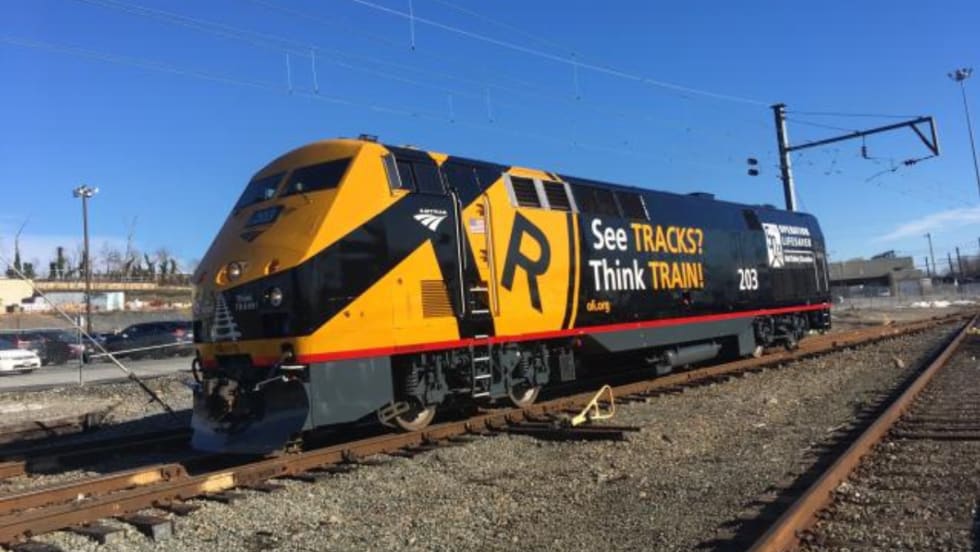
Read More →The annual observance of Rail Safety Week throughout North America is led by OLI, Operation Lifesaver Canada, and the Mexican Association of Railroads (AMF).
Read More →