
Metro Magazine

 MENU
MENU SEARCHMENUSEARCH
Loading data...

The city of Guangzhou, China, was recognized for its new world-class bus rapid transit system that integrates with bike lanes, bike share and metro stations. Other nominees this year included: Leon, Mexico; Lima, Peru; Nantes, France; and Tehran, Iran.
Read More →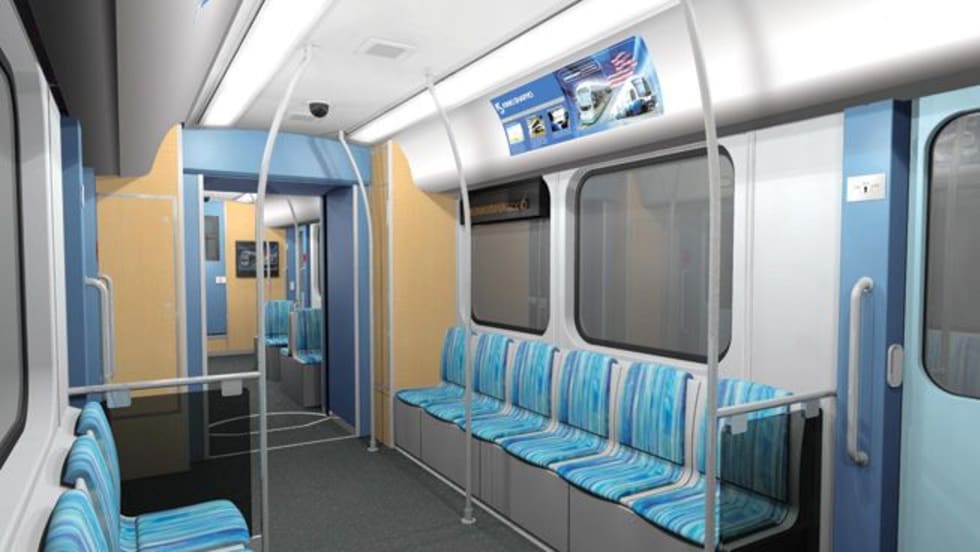
Debuted a prototype of the ameriTRAM, a 100 percent low-floor streetcar in Charlotte on Thursday. Uses e-Brid, a propulsion technology that enables operation powered by overhead catenary or on-board lithium-ion batteries. The technology is purported to save millions of dollars in operational costs.
Read More →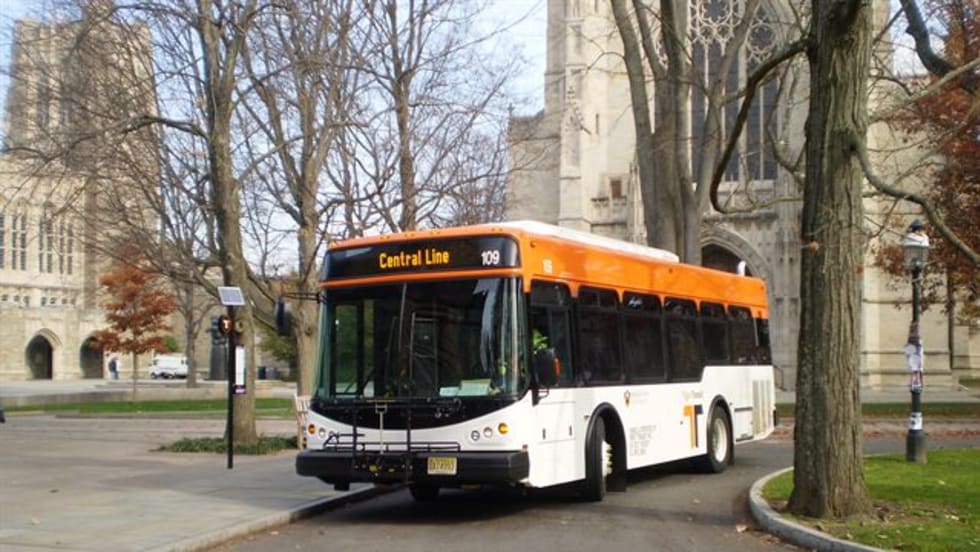
The transportation system operates on a fixed-route schedule. The university contracted with First Transit to provide safe, convenient and reliable transportation throughout the Princeton campus and surrounding community.
Read More →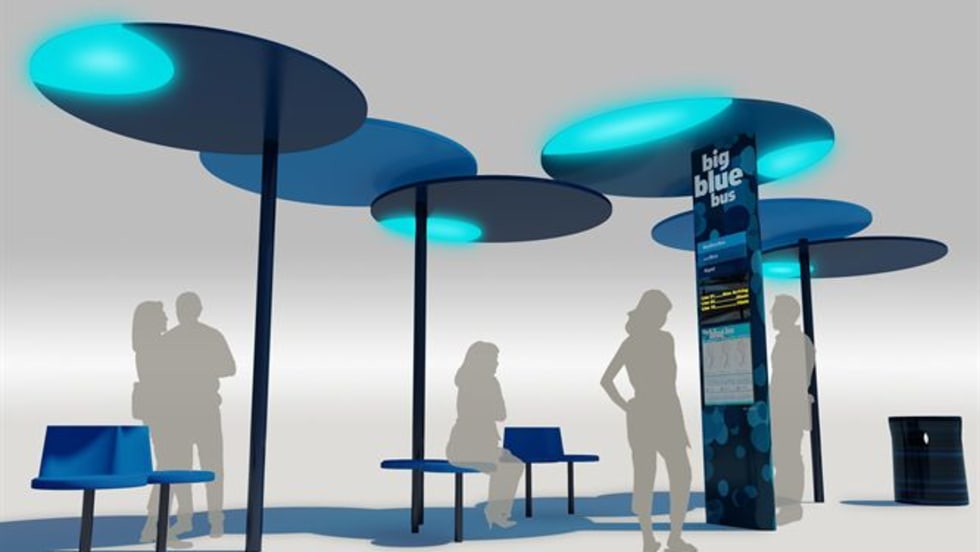
The shelter design is clean and unobtrusive, and was created to enhance the city of Santa Monica's coastal look and feel. The new stops will be fabricated with recycled and locally sourced materials wherever possible.
Read More →
The purpose of the program is to facilitate the development of commercially viable fuel-cell bus technologies and increase public acceptance of the fuel-cell vehicles.
Read More →The first bus will be sent to Altoona for safety testing. The EcoRide BE35 will be the first all-electric bus that the center will be testing and once completed, allows Proterra to mass produce and sell the bus on a commercial scale.
Read More →
Some of the new transit shelters will use third-generation organic-dye-based photovoltaic solar film to power the shelter lights and information systems. The structures of the new shelters use steel with high-recycled content as well as energy-efficient LEDs.
Read More →
The $60M, 66,000 square-foot maintenance facility enables mechanics to service every type of alternative fueled vehicle, and features 600 roof-mounted photovoltaic panels, minimum energy water heaters to help reduce operating costs, and an urban runoff system to filter storm water.
Read More →The Council is encouraging members and their family and friends to vote for their grant application to “Promote Green Travel and Build Awareness of Green Transportation Options.” Anyone can vote for the campaign daily via mobile phone, desk top, laptop or smartphone.
Read More →With a similar grant, Amtrak equipped a Heartland Flyer train operating between Oklahoma City, Okla. and Ft. Worth, Texas to run on a biodiesel blend known as B20, which is 20 percent pure biofuel and 80 percent diesel.
Read More →