
Metro Magazine

 MENU
MENU SEARCHMENUSEARCH
Loading data...

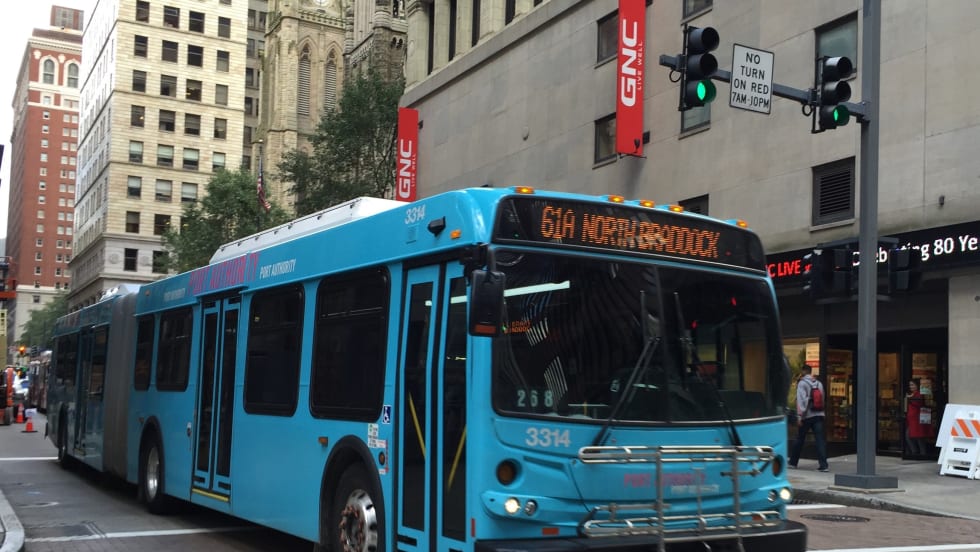
Diesel is the predominant technology in commercial trucking, school, and transit bus sectors, according to the DTF’s analysis of data sourced from S&P Global Mobility TIPNet data of vehicles in operation for Class 3-8 as of December 2021.
Read More →



The charter bus industry experienced an estimated 57.1% reduction in revenues in 2021, according to the report.
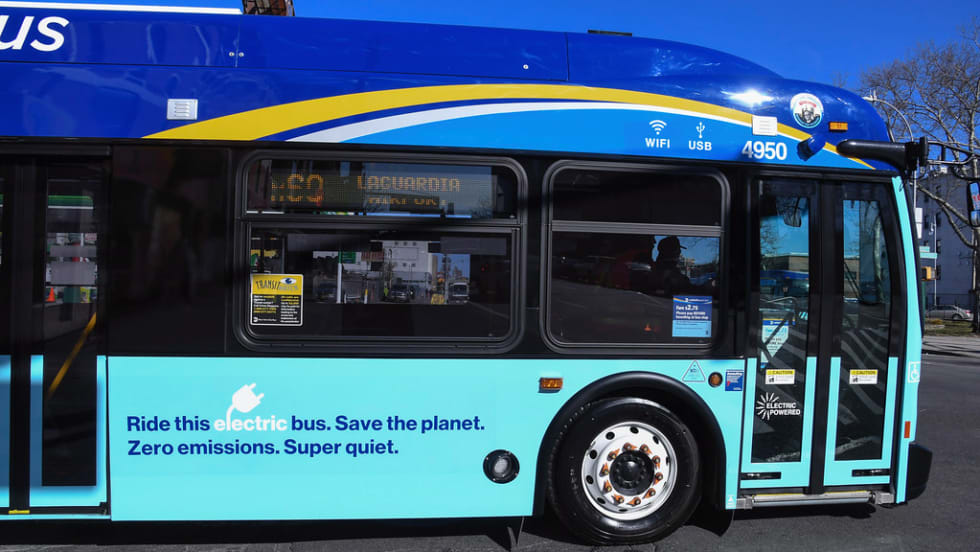
Read More →The CALSTART report provided insight on the current state of ZEBs ahead of $5.25 billion in Infrastructure Investment and Jobs Act funding through the Federal Transit Administration’s Low-No Program
Read More →The Mineta Transportation Institute releases a guide to local transportation revenue sources in California.
Read More →Based on the data, four overarching recommendations were developed for agencies that included integrating best practices from the COVID-19 period, prioritizing social equity, leveraging opportunities to expand ridership, and keeping abreast of changing trends.
Read More →Masabi released the results from its bi-annual report, which shows most agencies planning to adopt fare payment innovations to bring riders back on board.
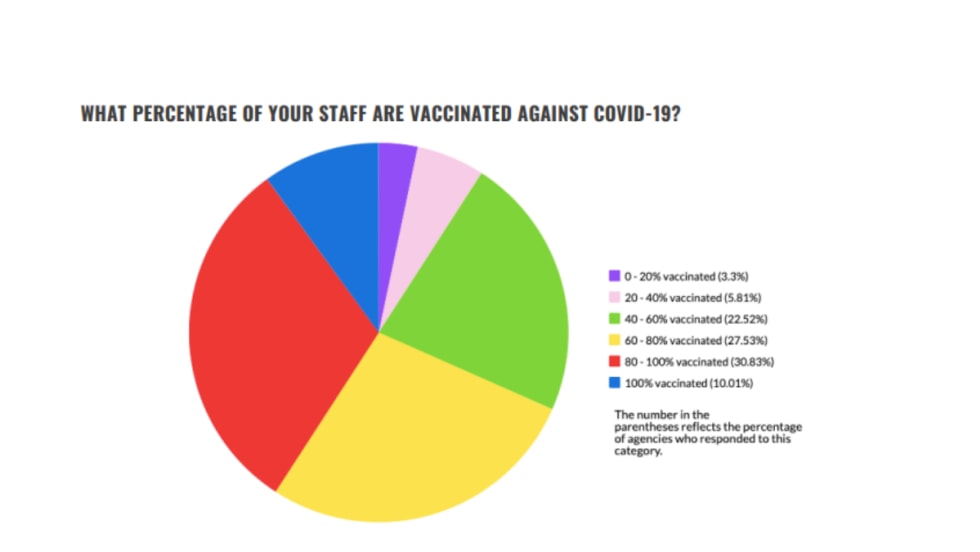
Read More →The survey received a total 120 responses from agencies across the U.S.
Read More →In a new report, “APTA Recommendation on Commuter Rail Liability Insurance,” outlines how the commuter rail insurance market has become significantly more expensive and has much less capacity in terms of insurers willing to participate.
Read More →The “Economic Impacts of Highway, Street, Bridge, & Transit Investment in California” is the first to examine the impacts of transportation infrastructure spending on all sectors of the California economy, not just the transportation sector.
Read More →In a recently completed report, CTE concludes that a nationwide fleet transition is feasible by 2035, at a cost of between $56.22 billion and $88.91 billion.
Read More →