



Every $1 in California Transportation Spending Equals $4.30 in Gains, Report Finds
The “Economic Impacts of Highway, Street, Bridge, & Transit Investment in California” is the first to examine the impacts of transportation infrastructure spending on all sectors of the California economy, not just the transportation sector.
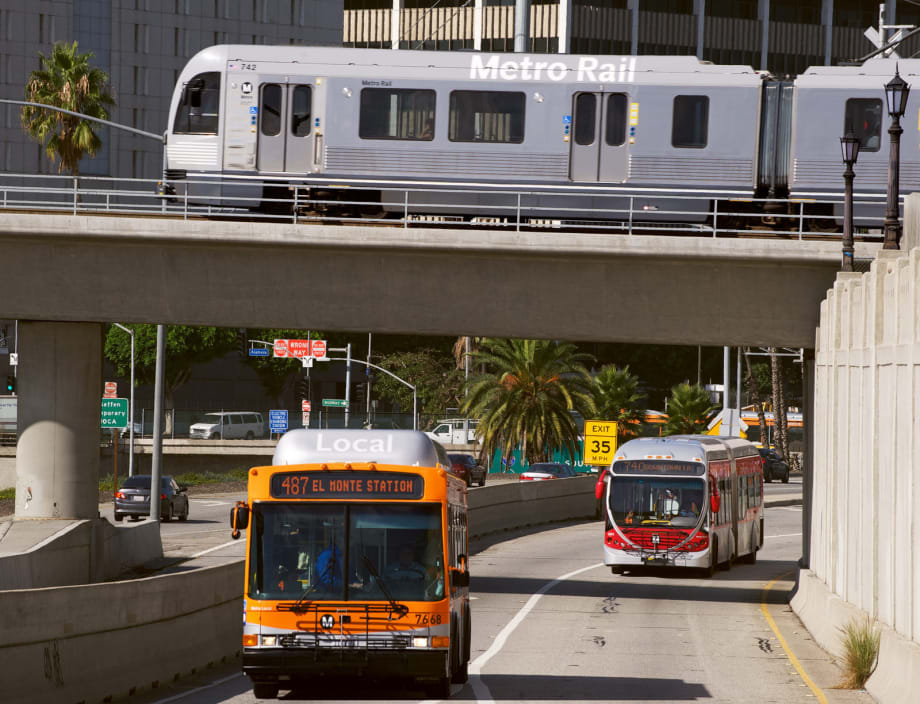
According to the report, in the next 10 years government investments in California’s transportation infrastructure will grow from $40.4 billion in 2021 to $52.6 billion in 2030.
LA Metro
A first-of-its-kind report finds that upcoming spending on federal, state, and local infrastructure will generate nearly $200 billion in economic activity in California, annually, over the next decade, as well as support 700,000 jobs per year.
According to the report, in the next 10 years government investments in California’s transportation infrastructure will grow from $40.4 billion in 2021 to $52.6 billion in 2030. This equates to a return of $4.30 in economic activity for every $1 spent on the transportation system. Every $1 billion spent supports over 15,000 jobs throughout the economy.
The “Economic Impacts of Highway, Street, Bridge, & Transit Investment in California” is the first to examine the impacts of transportation infrastructure spending on all sectors of the California economy, not just the transportation sector. The release includes the launch of a new, searchable online database that breaks down the economic benefits of infrastructure spending in every California county.
Specifically, the report found that:
California highway, street, bridge, and transit investment will support the following $200 billion in annual benefits over the next decade:
Generate nearly $101.5 billion annually in economic output as businesses throughout the economy sell goods and services to both other businesses and consumers, totaling $1 trillion over 10 years.
Contribute $52 billion per year of state GSP, adding up to $520 billion over 10 years. This accounts for nearly 2% of total GSP.
Support nearly 700,000 jobs on average each year throughout the economy, with 86% of the employment outside of the construction industry. This includes an estimated 220,000 jobs in transportation and warehousing, 80,000 jobs in manufacturing and trade and 68,000 jobs in professional and business services. This will add up to over seven million job-years supported or created over the next 10 years.
These workers will earn nearly $30.3 billion in wages, annually, totaling $303 billion over 10 years.
$21.2 billion in additional tax revenues each year, adding up to $212.2 billion over 10 years, which includes $6 billion in annual state and local tax revenue from payroll, business, income, sales and use taxes, totaling $60.9 billion over 10 years, and $15 billion in annual federal payroll, income, and business taxes, totaling $151.3 billion over 10 years.
The economic activity is driven by construction spending as well as expenditures on transit operations, planning and design work, right-of-way purchases, construction support, administration, and research. The positive benefits of transportation investment flow to all levels of government.
“This report underscores the benefits of maintaining and repairing existing roads. Taking a ‘fix-it-first’ approach is environmentally and financially sustainable, while also contributing significantly to the local economy,” said Graham Knaus, executive director, California State Association of Counties.
The research was conducted by Dr. Alison Premo Black, Chief Economist at the American Road & Transportation Builders Association (ARTBA) and released by the California Alliance for Jobs (CAJ), California Transit Association, California State Association of Counties (CSAC), and the League of California Cities (Cal Cities). The newly-created website allows for creation of specific sector reports and more.
The report uses a series of sophisticated models to quantify both the immediate economic activity from increased highway, street, bridge, and transit program spending levels in California and the longer-term user benefits that accrue from improving the transportation system.
More New Mobility

From Hardware to Digital Partner: Luminator Charts Its Next Chapter
CEO Magnus Friberg discusses Luminator’s shift toward becoming a digital partner, the growing importance of software and interoperability, and how AI can help agencies improve operations and passenger experience.
Read More →
Biz Briefs: Alstom Lands Canadian Contract, LYT to Supply California TSP, and More
In METRO's latest installment, we take a look at recent news from Complete Coach Works, Beep, FlixBus, and more partnerships making headlines across the transportation sector.
Read More →
CharterUP’s Armir Harris on Technology, AI, and the Future of Group Mobility
In a recent episode of METROspectives, CharterUP Founder/CEO Armir Harris discussed the company’s evolution from an online charter bus marketplace into a technology platform supporting public- and private-sector mobility and much more.
Read More →
Jacksonville’s NAVI Project Charts a New Course for Autonomous Public Transportation
Through its NAVI program, JTA is showing how autonomous vehicles, intelligent infrastructure, and coordinated operations can work together to deliver everyday public transportation.
Read More →
Biz Briefs: Luminator Marks Milestone and More
From manufacturers and suppliers to transit agencies and motorcoach operators, these updates offer a snapshot of the projects, partnerships and business moves driving the industry forward.
Read More →
New Tricks for Old Bureaucracies: Joshua Schank on Making Transit Innovation Stick
Former LA Metro Chief Innovation Officer Joshua Schank discusses why good ideas aren't enough, how transit agencies can overcome resistance to change, and why today's challenges demand more innovation.
Read More →
How DART's GoPass Is Redefining Regional Mobility
Serving 14 transit agencies, GoPass simplifies multimodal travel by allowing riders to plan, pay for, and manage an entire trip through one app.
Read More →
Biz Briefs: OCTA Taps Clean Energy for Hydrogen Station, Stadler to Supply Via Rail Vehicles, and More
From manufacturers and suppliers to transit agencies and motorcoach operators, these updates offer a snapshot of the projects, partnerships and business moves driving the industry forward.
Read More →CharterUP Expands Into New Mobility and Autonomous Transportation
Vice President of New Mobility Stephen Joos discusses how CharterUP is leveraging its nationwide transportation network, technology platform, and autonomous vehicle partnerships to expand into workforce mobility, campus shuttles, and transit solutions.
Read More →
METRO Magazine Announces 2026 Innovative Solutions Awards Winners
Projects Recognized for Advancing Mobility Through Technology, Accessibility, Workforce Innovation, and Operational Excellence
Read More →