
Metro Magazine

 MENU
 SEARCHMENUSEARCH
Loading data...

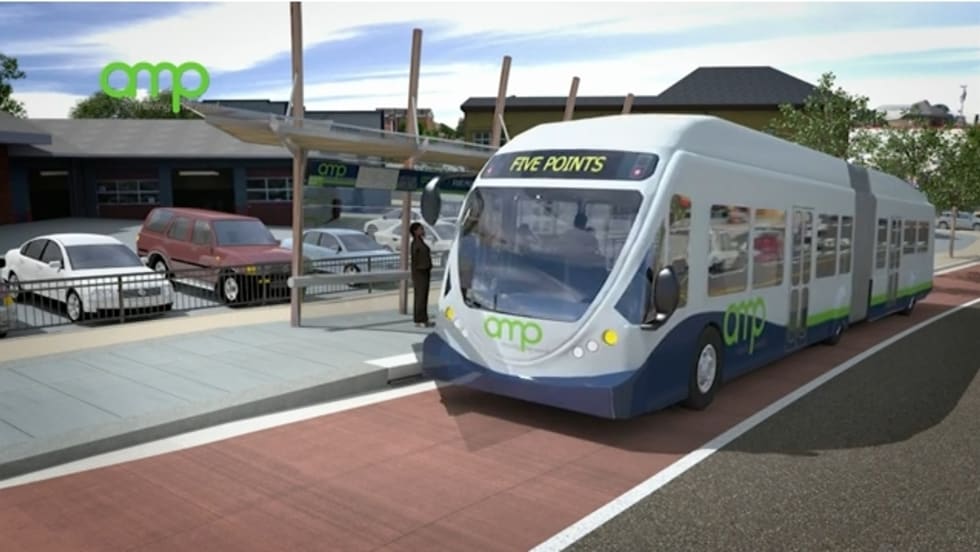
About $14 million has been spent in planning the BRT system, which has raised questions on if it really is a faster means of transit than driving.
Read More →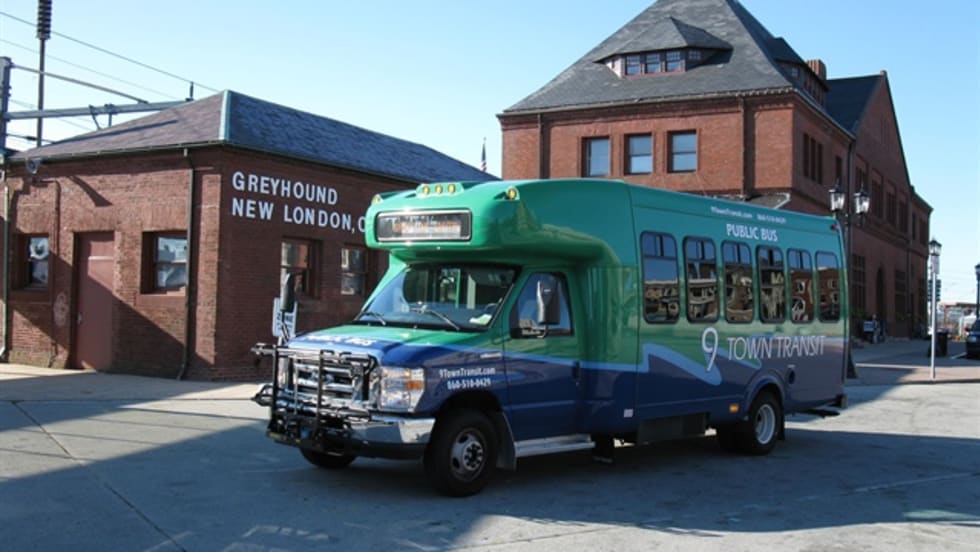
This award is given each year to the transportation agency that provides service in an urban area with a population of less than 50,000.
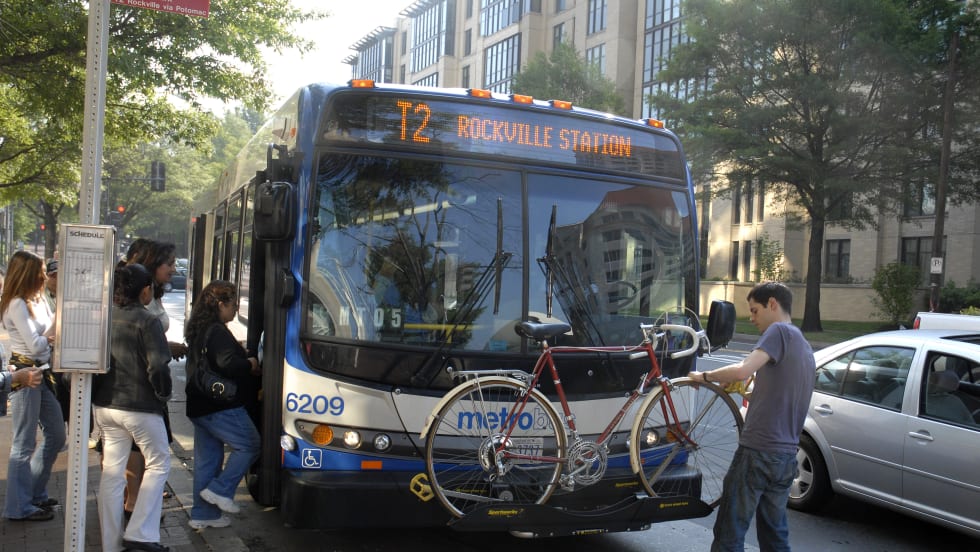
Read More →Will guide the campus toward a sustainable transportation system by becoming more bike-, bus- and pedestrian-friendly; cutting carbon emissions and saving money.
Read More →The Stamford CTTRANSIT service area is next in line to be put into the system. Waterbury, Wallingford and Meriden will come soon after.
Read More →In addition to the campus' CatTran bus system, bike and car sharing services, as well as additional parking areas have been implemented.
Read More →Changes included enhanced police coordination and added vehicle tracking, security cameras.
Read More →Known as The Amp, the BRT project, one of Karl Dean’s most high-profile initiatives, is designed to help ease traffic congestion and provide better mass transit as the region adds a million new residents over the next two decades
Read More →Eliminating bus fares, making parking spots more scarce and making sure your buses run on time are some of the practices highlighted in a blog posted in honor of World Car-Free Day, which took place last week.
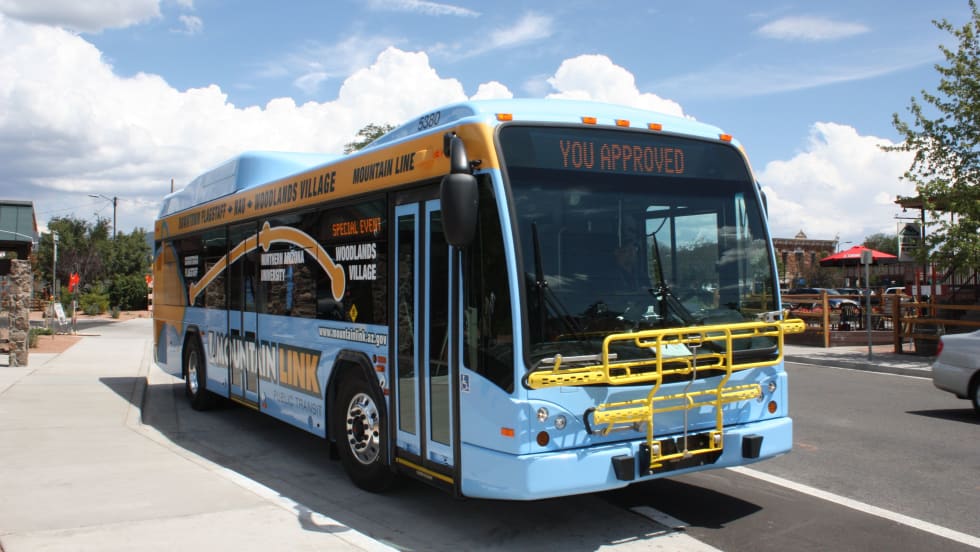
Read More →Also known as Route 10, Mountain Link has proven to be a successful partnership between Northern Arizona Intergovernmental Public Transportation Authority, NAU and the City of Flagstaff. Since its inception, Mountain Link has served 576,563 riders.
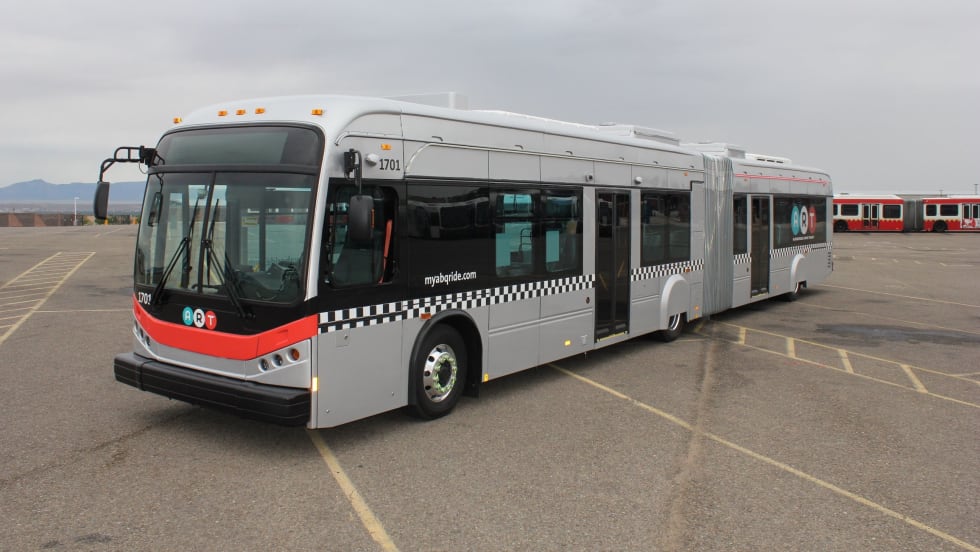
Read More →ART is the first-ever, BRT system in the U.S. to receive award from the ITDP, the highest internationally recognized standard for BRT systems.
Read More →