
Metro Magazine

 MENU
MENU SEARCHMENUSEARCH
Loading data...
Projects involve the construction of commercial, residential, or mixed-use projects near transit or on transit system-owned land.
Read More →
The new module works with existing passenger identification scanning systems to identify and alert transit operators which passengers may have been exposed to an infected fellow rider.
Read More →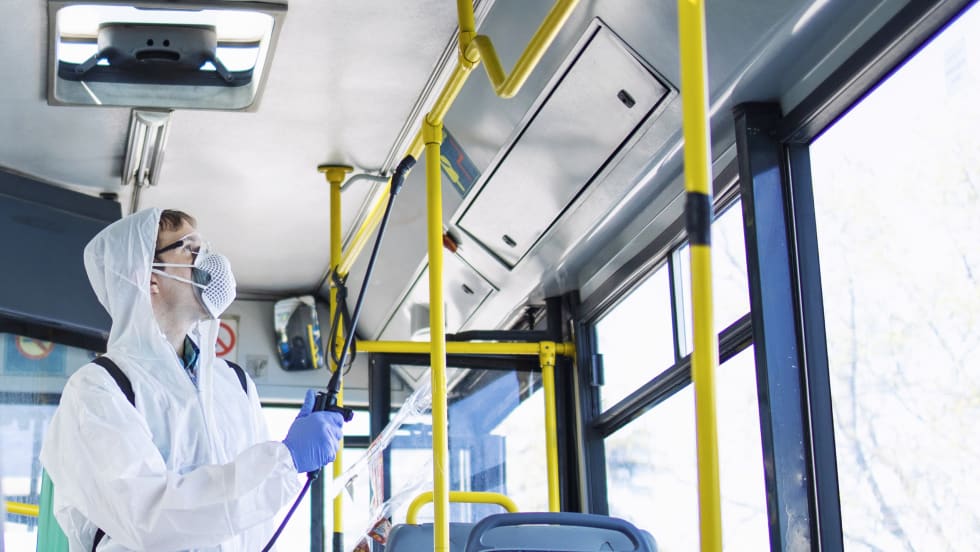
While agencies were hit particularly hard because of the pandemic, many suppliers, also deemed as “essential,” had to adjust to not only providing the goods and services they already offered, but also find ways to meet the new demands of their long-time partners.
Read More →
“Funding in the New Normal” is the third of a virtual roundtable series sponsored by the ACEC Research Institute.
Read More →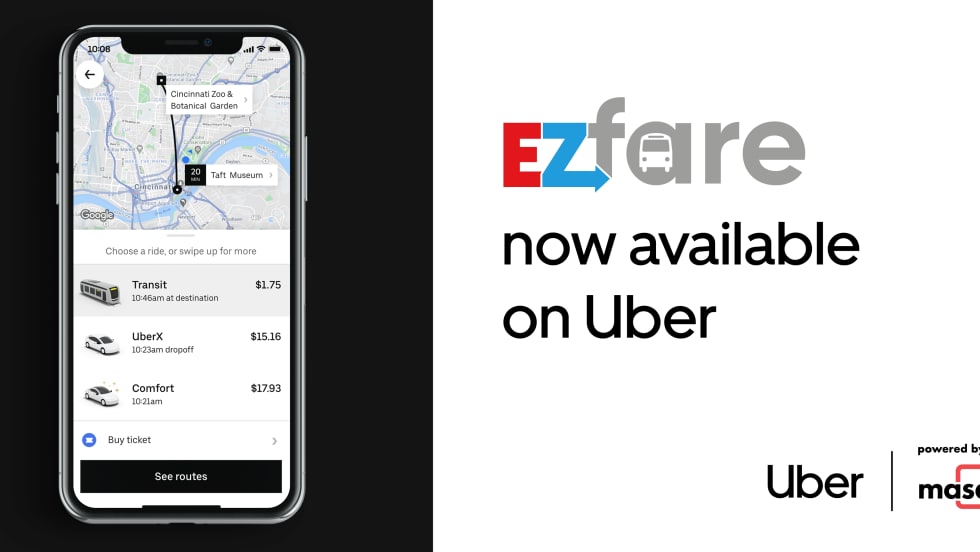
Both journey planning and Uber Transit Ticketing are rolling out today and will be available to 100% of riders in the 13 local transit agencies in Ohio and Kentucky over the next few weeks.
Read More →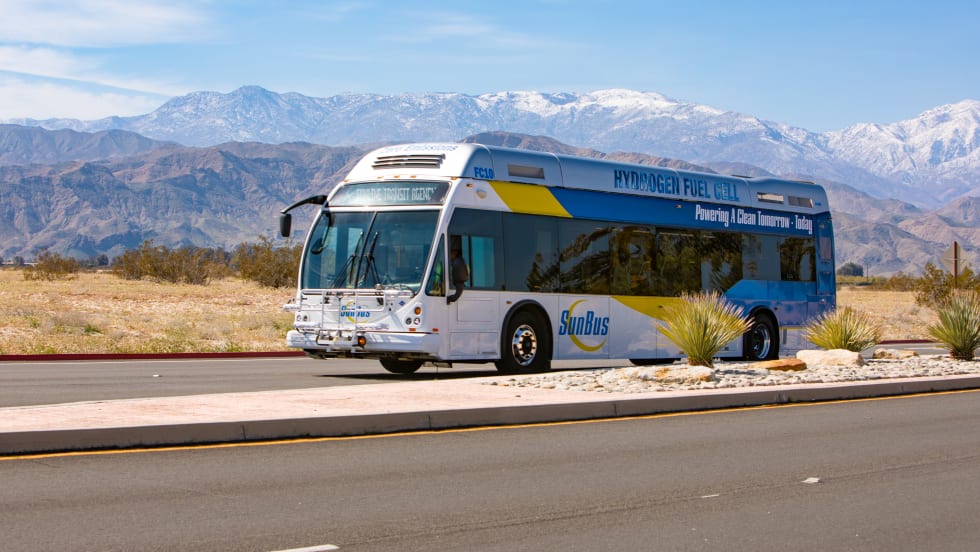
CARB requires all public transit agencies to submit a board approved Rollout Plan describing how they will gradually transition to a 100% zero-emission bus fleet.
Read More →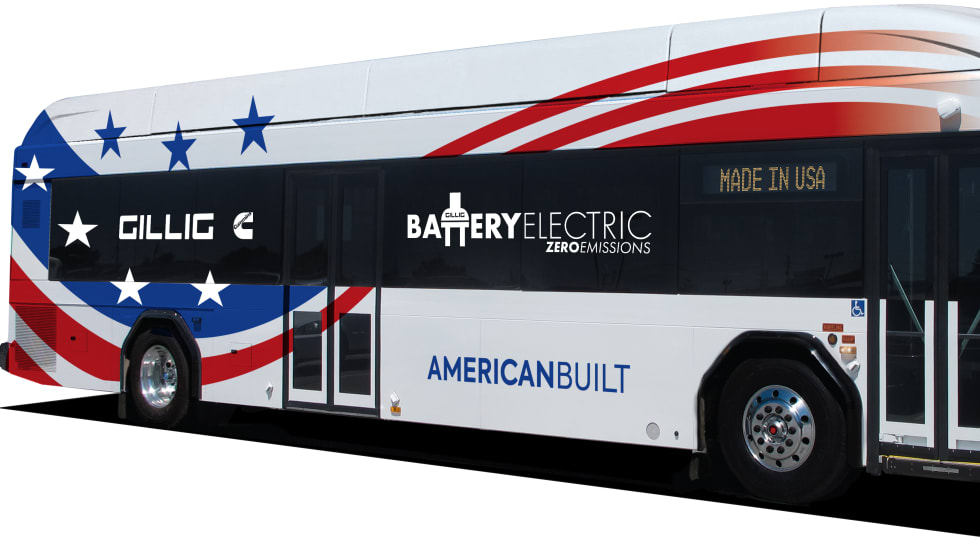
Eight of these grants will be utilized to purchase GILLIG zero-emission battery electric buses and associated charging infrastructure, while the ninth will be utilized to deploy advanced low-emission diesel-electric hybrid buses.
Read More →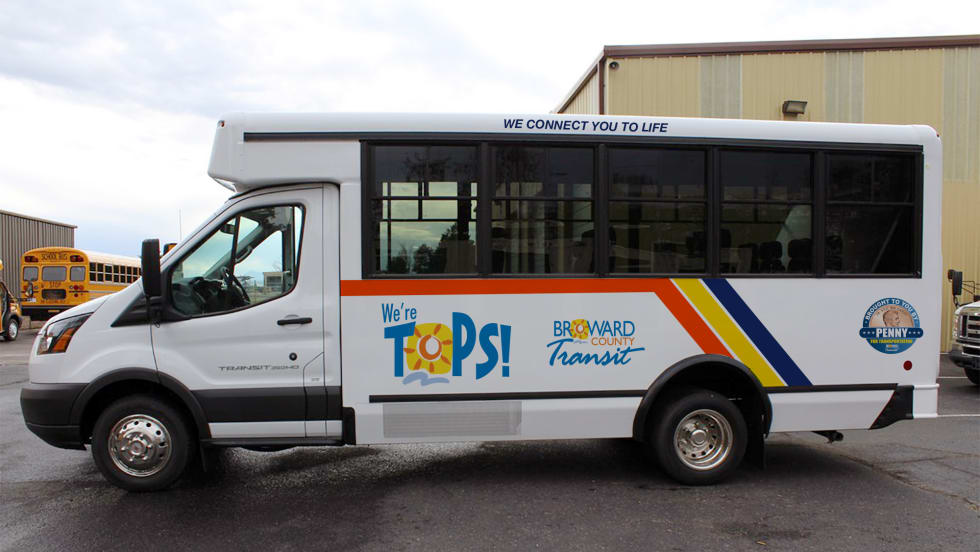
Paratransit providers face two key challenges as a result of the COVID-19 outbreak — they need to ensure the safety of passengers and reduce the anxiety they may feel in using the service, while retaining their experienced drivers to ensure they are available when normal operations resume.
Read More →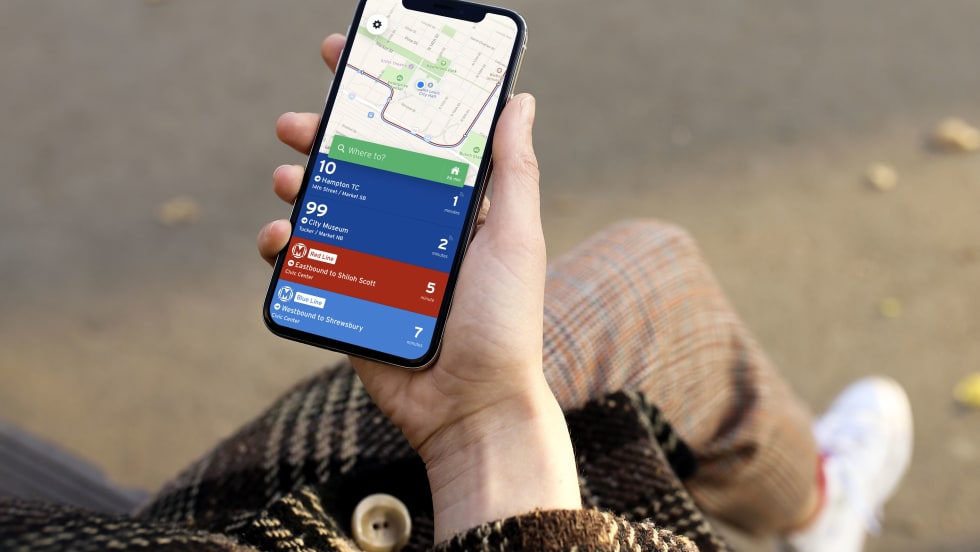
The app’s new mobile fare feature is part of Metro Transit’s efforts to adapt to the COVID-19 pandemic and keep both passengers and transit employees safe by providing a contactless, visually validated fare option.
Read More →
Chris Pangilinan, Head of Global Policy for Public Transportation at Uber. Chris joins METROspectives to discuss Uber's first Software-as-a-Service partnership with Marin Transit, how public transit agencies are adapting quicker then ever to increase the options they provide in the communities they serve, and how COVID-19 will impact future mobility models.
Read More →