



Paratransit Agencies Help Passengers with Disabilities Stay Safe during the COVID-19 Crisis
Paratransit providers face two key challenges as a result of the COVID-19 outbreak — they need to ensure the safety of passengers and reduce the anxiety they may feel in using the service, while retaining their experienced drivers to ensure they are available when normal operations resume.
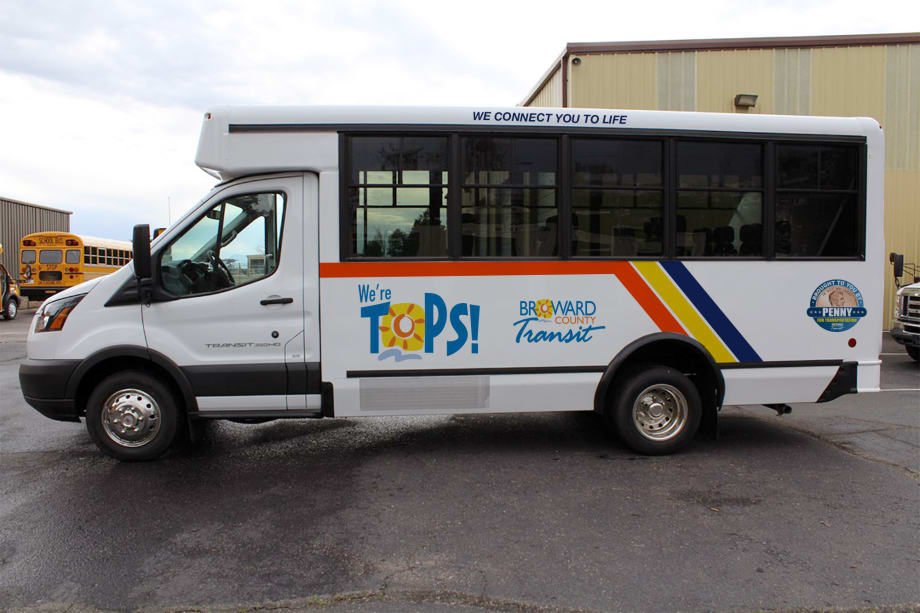
Many U.S. paratransit providers, including BCT, use StrataGen’s ADEPT technology, a dispatch tool that manages their paratransit door-to-door services efficiently by implementing intelligent ridesharing in accordance with ADA regulations.
Broward County Transit
If you have used transit since the outbreak of COVID-19, you will have experienced the measures the public transportation industry has taken to keep people safe, while still hopefully feeling comfortable enough to use these essential services. This is especially true in the case of those passengers with disabilities who may be more vulnerable to infection. Paratransit vehicle operators have been on the frontlines every day to transport people to where they need to go, while ensuring that passengers’ health and safety is being prioritized.
Paratransit providers face two key challenges as a result of the COVID-19 outbreak — they need to ensure the safety of passengers and reduce the anxiety they may feel in using the service, while retaining their experienced drivers to ensure they are available when normal operations resume. “Broward’s paratransit customers are among the most vulnerable in our community and they, with our drivers who are in contact with them, are at a higher risk for exposure during this Covid-19 pandemic,” said Paul Strobis, director, paratransit services, at Broward County Transit (BCT).
The potential loss of drivers would be extremely detrimental to the transit industry. To help mitigate this risk, paratransit providers are looking for innovative solutions that allow them to provide safe service for their passengers while decreasing the impact on their workforce of trained drivers.
Many U.S. paratransit providers, including BCT, use StrataGen’s ADEPT technology, a dispatch tool that manages their paratransit door-to-door services efficiently by implementing intelligent ridesharing in accordance with Americans with Disabilities Act (ADA) regulations. During the COVID-19 pandemic, StrataGen Systems has worked with BCT and other customers to quickly enhance their scheduling capabilities, implementing a variety of solutions to help provide safe paratransit services while helping providers keep their drivers employed.
“StrataGen’s ability to quickly meet Broward’s request to alter the ADEPT scheduling rules to accommodate our new ‘no ride share’ policy to adhere to CDC’s recommended social distancing protocols,” added Strobis. “The software’s optimizer was able to ensure that those in need of paratransit services are able to do so while still social distancing. At the same time, we are able to balance the workload of our drivers and allow our employees to avoid layoffs.”
To improve social distancing for paratransit service, many providers have implemented a “no shared ride” policy similar to BCT and spread out trips among multiple vehicles, which help to lessen COVID-19’s impact to paratransit providers’ daily fleet capacity, while creating a safer environment for riders. To facilitate this, StrataGen enhanced the ADEPT scheduling engine for BCT and other customers to enable a “non-stop” measure on all rides. The enhancement enables uninterrupted trips and schedules. As a result, passengers have the comfort of knowing what they will experience and how they will travel, creating less surprises, while helping to reduce anxiety and achieve more effective social distancing. This policy change and ADEPT enhancement has resulted in trips being spread evenly across paratransit provider fleets, and subsequently populated routes, so that drivers stay safe and remain employed.
StrataGen has provided similar support to MBTA in Boston, and customers in other service areas like New York, Washington, and California, enabling them to continue to provide safe services to their customers, while at the same time keeping their operators employed and safe.
The positive impact on both riders and drivers, community by community, can lead to less disruption, while meeting both of their needs in a safe and proactive way. The implementation of these changes can hopefully act as a blueprint to help other communities apply similar measures to ensure both safety and convenience for their paratransit riders and operators.
Nikolay Nikiforov, Director of Product & Marketing at StrataGen™ Systems
More Paratransit

Biz Briefs: RIPTA Unveils New Frontrunners, Clevland RTA Adds New Siemens, and More
In METRO's latest installment, we take a look at recent news from Siemens, Prevost, Dodge, and more partnerships making headlines across the transportation sector.
Read More →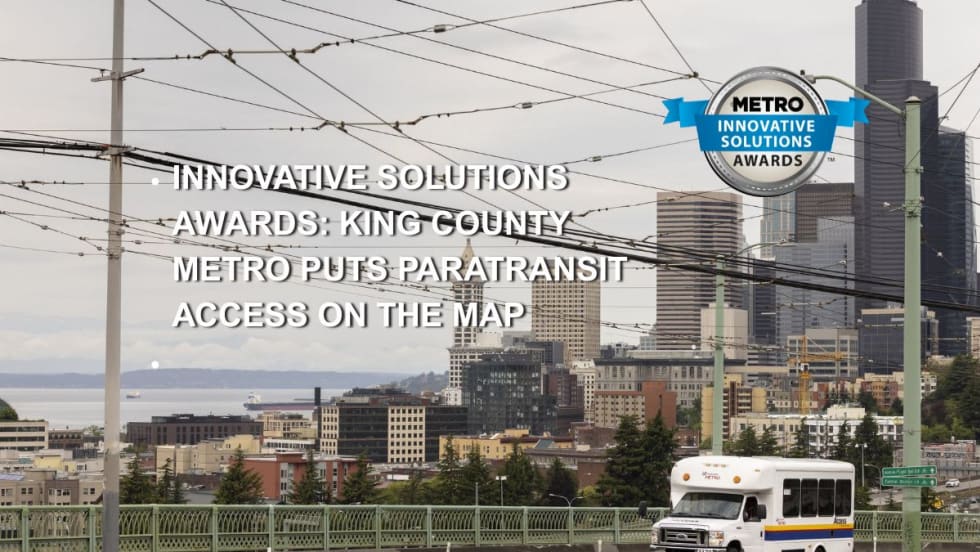
King County Metro Makes ADA Paratransit Easier to Navigate
METRO's Innovative Solutions Award winner replaces complex service-area descriptions with an accessible, interactive map that puts paratransit information directly in customers’ hands.
Read More →
Jacksonville’s NAVI Project Charts a New Course for Autonomous Public Transportation
Through its NAVI program, JTA is showing how autonomous vehicles, intelligent infrastructure, and coordinated operations can work together to deliver everyday public transportation.
Read More →
Driving Smarter Paratransit
John Hanlon shares how AlphaRoute is leveraging AI-powered technology to help paratransit providers optimize operations, support frontline staff, and enhance the rider experience.
Read More →
METRO Magazine Announces 2026 Innovative Solutions Awards Winners
Projects Recognized for Advancing Mobility Through Technology, Accessibility, Workforce Innovation, and Operational Excellence
Read More →
Biz Briefs: STV teams with Amtrak, Motorcoach Operators Boost Fleet and Land Contracts, and More
From manufacturers and suppliers to transit agencies and motorcoach operators, these updates offer a snapshot of the projects, partnerships and business moves driving the industry forward.
Read More →
Biz Briefs: Masabi Teams with St. Louis Metro and More
In METRO's latest installment, we take a look at recent news from Transdev, Hitachi, and more partnerships making headlines across the transportation sector.
Read More →
New York MTA Leverages Zoning Program to Advance Station Accessibility
Accessibility enhancements at Nevins St Station will be financed through a development agreement tied to the MTA's Zoning for Accessibility initiative.
Read More →
Reinventing Fleet Maintenance with Real-time Visibility and AI
Transit leaders need to know what needs fixing, where to look, who is responsible, when work is completed, and what it costs without having to chase information across disconnected systems.
Read More →
SamTrans Sets Priorities for Potential Connect Bay Area Revenue
The board-approved framework allocates future funding to maintaining service, rider improvements, equity initiatives, and infrastructure repairs.
Read More →