
Metro Magazine

 MENU
 SEARCHMENUSEARCH
Loading data...

About $14 million has been spent in planning the BRT system, which has raised questions on if it really is a faster means of transit than driving.
Read More →
This award is given each year to the transportation agency that provides service in an urban area with a population of less than 50,000.
Read More →Will guide the campus toward a sustainable transportation system by becoming more bike-, bus- and pedestrian-friendly; cutting carbon emissions and saving money.
Read More →The Stamford CTTRANSIT service area is next in line to be put into the system. Waterbury, Wallingford and Meriden will come soon after.
Read More →The move is being made to save money and officials do not expect ridership to be affected. The university is employing campus safety officers as drivers and was able to obtain a vehicle very similar to the shuttle used by the contracted service.
Read More →In addition to the campus' CatTran bus system, bike and car sharing services, as well as additional parking areas have been implemented.
Read More →Changes included enhanced police coordination and added vehicle tracking, security cameras.
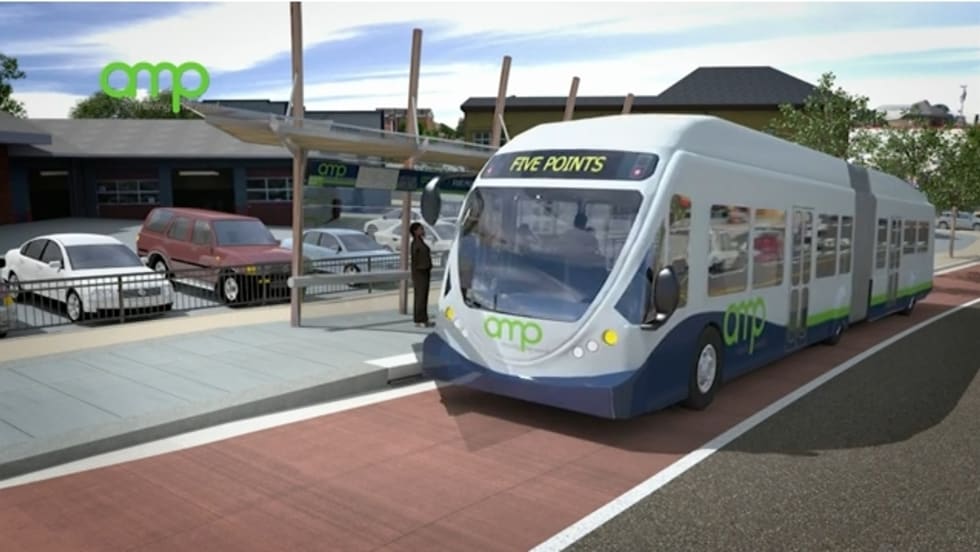
Read More →Known as The Amp, the BRT project, one of Karl Dean’s most high-profile initiatives, is designed to help ease traffic congestion and provide better mass transit as the region adds a million new residents over the next two decades
Read More →Eliminating bus fares, making parking spots more scarce and making sure your buses run on time are some of the practices highlighted in a blog posted in honor of World Car-Free Day, which took place last week.
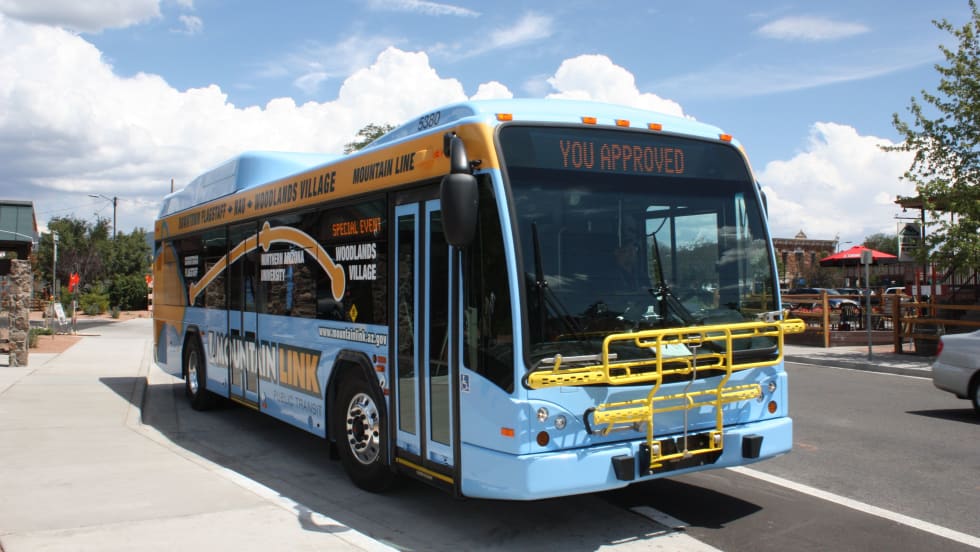
Read More →Also known as Route 10, Mountain Link has proven to be a successful partnership between Northern Arizona Intergovernmental Public Transportation Authority, NAU and the City of Flagstaff. Since its inception, Mountain Link has served 576,563 riders.
Read More →