
Metro Magazine

 MENU
MENU SEARCHMENUSEARCH
Loading data...
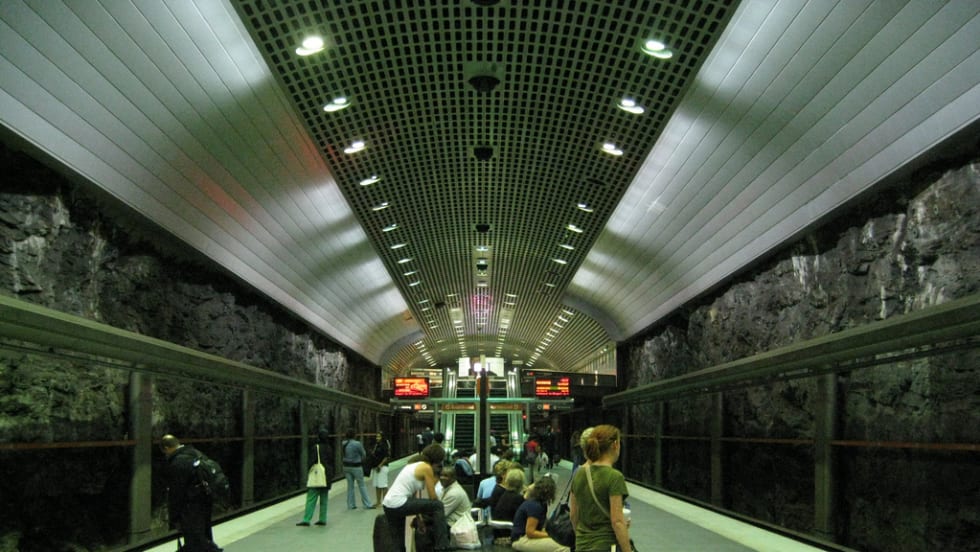
The scope of the rehabilitation and renewal project entails 16 tunnel segments with existing ventilation equipment.
Read More →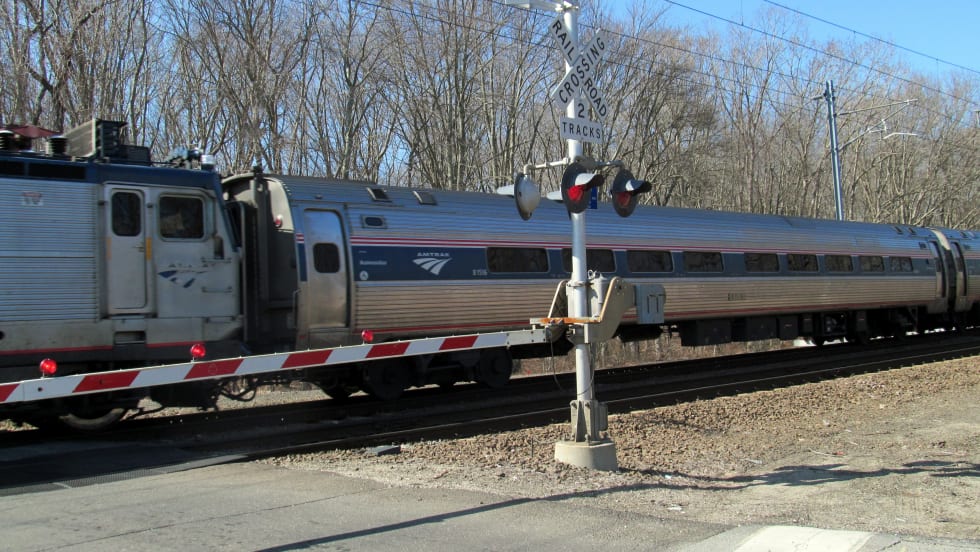
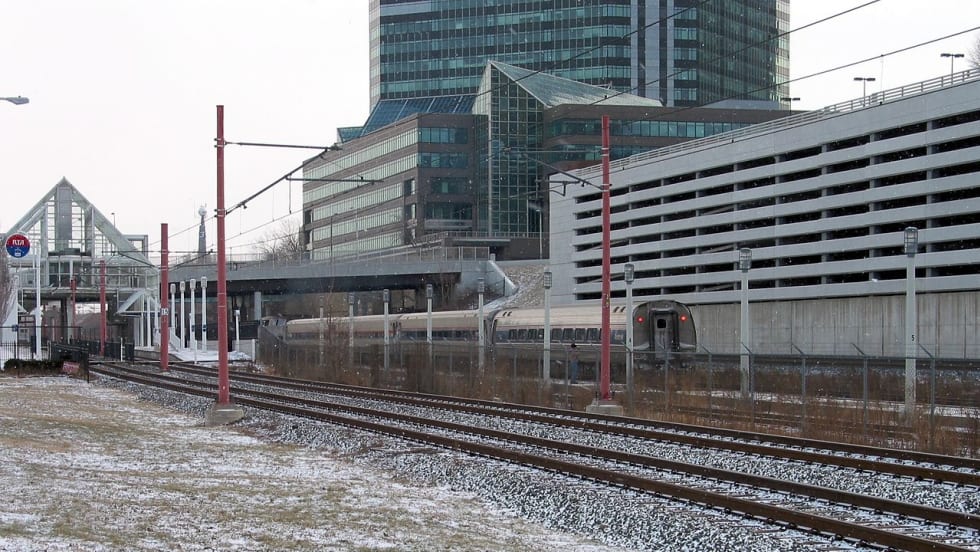
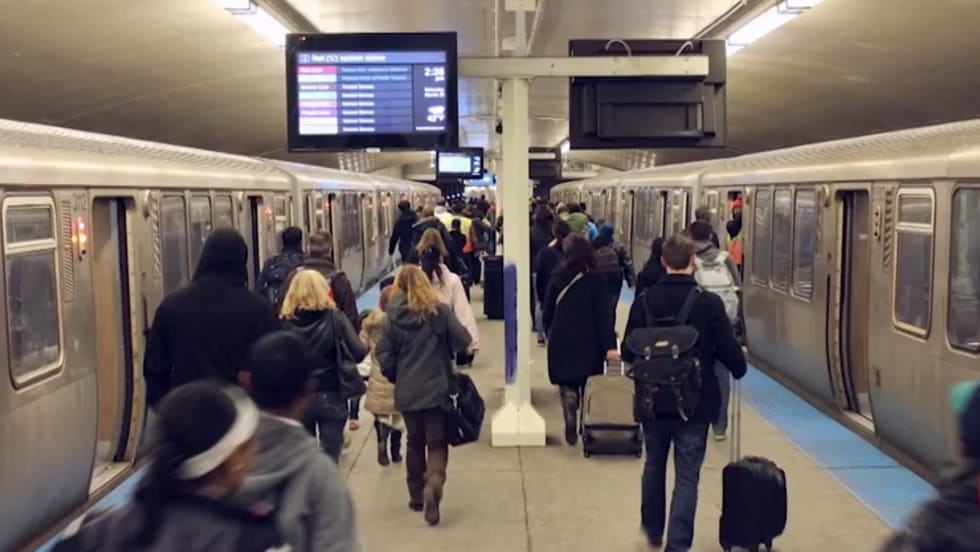
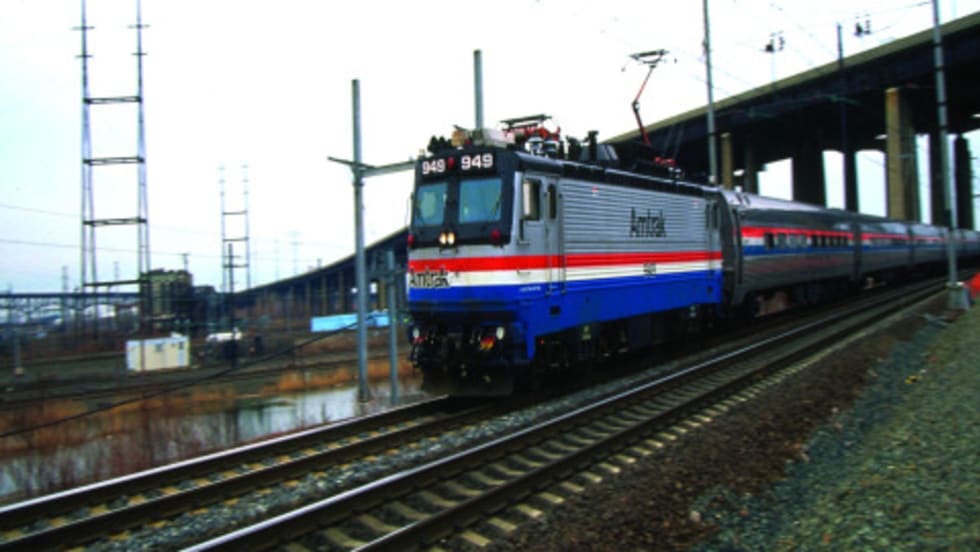
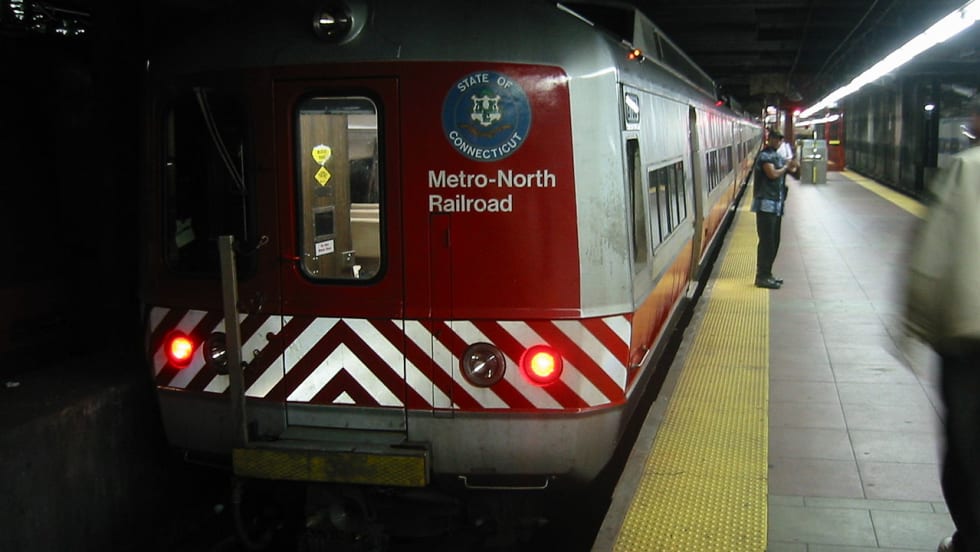

The Tier 1 Draft EIS includes alternative visions for investment in the NEC. The visions range from maintaining the current level of investment and service to significant investment that would dramatically increase rail’s role in transportation for the Northeast.
Read More →dentifying and prioritizing maintenance and repair needs of transit vehicles and infrastructure could lower costs, increase reliability and performance, reduce travel delays for passengers, promote resilience and yield system safety improvements.
Read More →The backlog could be wiped out by 2040 if the T spends $765 million annually on the maintenance backlog — rather than the current $610 million.
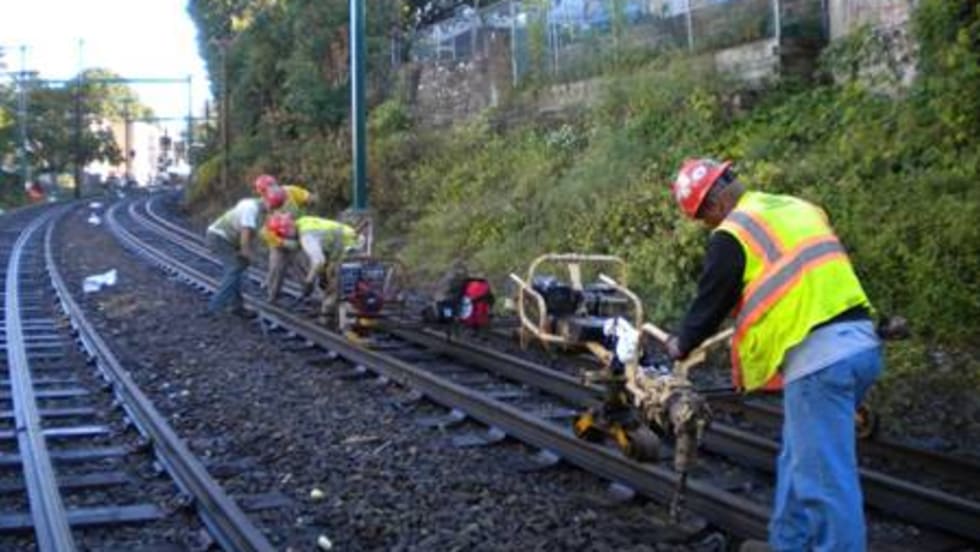
Read More →Aging track ties and instability in the track bed, or ballast, that force operators to apply the brakes to proceed safely is partly to blame in addition to a $150 million budget gap that would bring the rail system to a state of good repair.
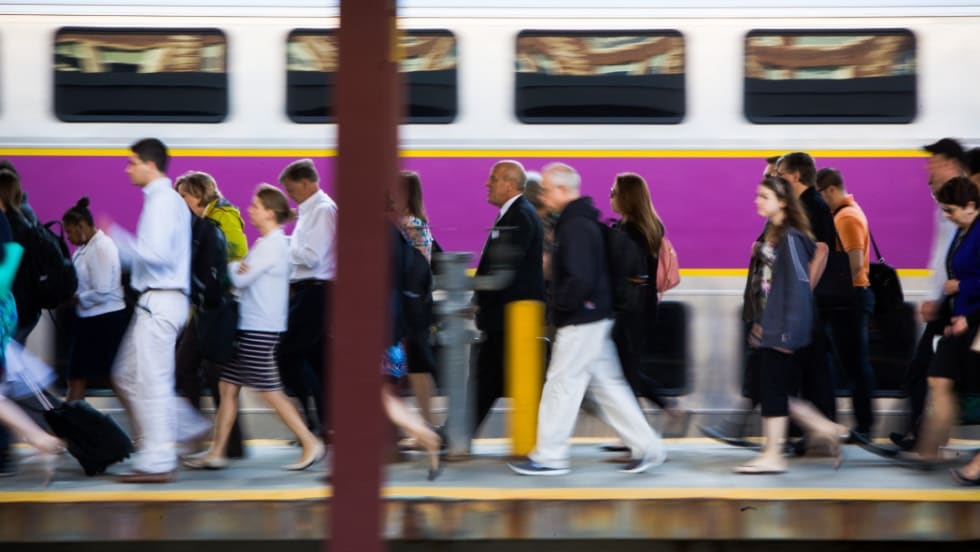
Read More →Overall, 54% prefer focusing on public transit, while four in 10 say the government should focus on expanding and building roads instead. Preference for public transit, though, ranges from 61% of urban residents to 52% of suburbanites and 49% of people in rural areas.
Read More →The report underscores the urgency to advance the Gateway Program, which includes building new, two-track tunnel capacity under the Hudson River that can help alleviate service impacts to the region as the needed work on the tunnels is underway.
Read More →The design and replacement project is estimated to cost $10 million with the bulk of the funding ($7 million) to be provided by the MTA Capital Program.
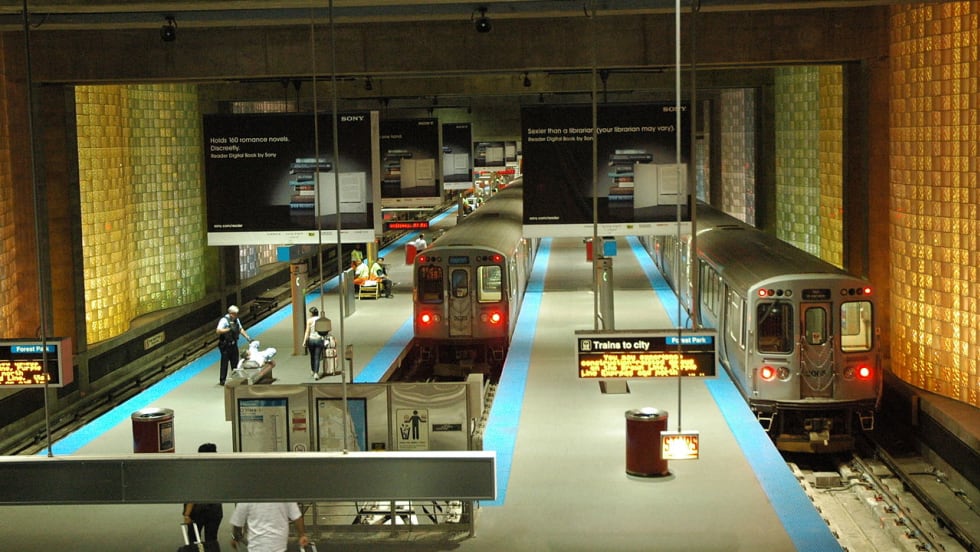
Read More →Announced in December 2013, Your New Blue includes a number of track and station improvement projects along the 12.5-mile stretch of the O’Hare Branch between the Grand and O’Hare stations.
Read More →The Lancaster Public Transportation building renovation is being funded by a $105,000 State of Good Repair grant from the Federal Transit Administration.
Read More →