



Report details needed work to fix Amtrak N.Y. tunnels
The report underscores the urgency to advance the Gateway Program, which includes building new, two-track tunnel capacity under the Hudson River that can help alleviate service impacts to the region as the needed work on the tunnels is underway.

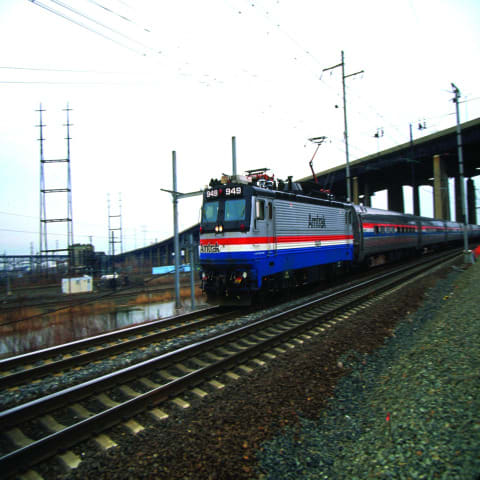
A new engineering report details damage to the Amtrak-owned Hudson River and East River tunnels following Superstorm Sandy and recommends a phased process to take individual tubes out of service for extended periods to perform the work required to maintain reliability of train movements in and out of New York City.
The report underscores the urgency to advance the Gateway Program, which includes building new, two-track tunnel capacity under the Hudson River that can help alleviate service impacts to the region as the needed work on the tunnels is underway.
“Public awareness of the critical needs of the tunnels is important to build regional understanding of what must be done to provide current and future train service levels into New York,” said Amtrak Chairman Tony Coscia. “The Northeast region needs to make the Gateway Program a priority and we must get about the business of moving it forward as fast as we can.”
Superstorm Sandy created a storm surge that resulted in sea water inundating both tubes of the Hudson River tunnel and two of the four tubes of the East River tunnel.
The report found no evidence that the tunnel linings themselves are unsound, but it did find that chlorides and sulfates caused, and are continuing to cause, significant damage to key tunnel components such as the bench walls and track systems as well as the signal, electrical and mechanical systems.
The tunnels are safe for passenger train operations. Amtrak has a robust tunnel inspection program, conducts regular maintenance work and will be performing interim work as needed. However, a permanent fix is required soon so that the tunnels remain available for long-term use by the traveling public.
Amtrak engineers are working with expert consultants on designs to rehabilitate the two damaged tubes of the East River tunnel and will coordinate with other agencies to minimize impacts to train service and other projects.
The rehabilitation work for both damaged tubes of the Hudson River tunnel cannot reasonably begin until after the new Gateway tunnel is built and operating. This will allow rail traffic to shift to the new tunnel and avoid major service impacts. Amtrak is advancing the Gateway Program and seeking to begin as soon as possible the environmental review process.
Through the design process and additional planning work, Amtrak will develop a schedule for performing the work recommended by this report.
Amtrak will ensure the safety of all passengers and balance efforts to minimize service impacts while also advancing as soon as possible the permanent fix needed for the long-term reliability of the tunnels for train service to Penn Station, N.Y.
More Rail

ENC Lands MATA Contract and More in Biz Briefs
In this edition of Biz Briefs, we spotlight the latest developments shaping the future of mobility.
Read More →
Strada360’s Steve Lassey on Turning Transit Data Into Better Decisions
From breaking down data silos to preparing for AI, Strada360 CEO Steve Lassey discusses how transit agencies can use technology to improve operations, customer information, and long-term decision-making.
Read More →
SEPTA Details Accelerate Vision for Transit System
The plan outlines investments in trolley modernization, new Metro and Regional Rail vehicles, accessible stations, and more frequent bus and rail service.
Read More →
FTA Ends Direct Oversight of MBTA Safety Actions
The federal agency closed its remaining special directive to the Massachusetts Department of Public Utilities following a safety review that began in 2022.
Read More →
Amtrak, CN Reach Agreements to Strengthen Passenger Rail Service, Safety
The agreement resolves a more than decade-long proceeding before the Surface Transportation Board concerning the terms and conditions for Amtrak services, such as the City of New Orleans, Illini/Saluki, and Wolverine.
Read More →
New York MTA Advances Final Contract for Second Avenue Subway Expansion
Contract Four is the largest in the Second Avenue Subway Phase 2 project and includes construction of station infrastructure, tracks, and signals for the subway expansion, MTA officials said. Work on Contract Four will begin in 2027.
Read More →
San Diego MTS Breaks Monthly Trolley Ridership Record
Agency officials said July’s ridership indicates MTS’s continued recovery from the pandemic.
Read More →
Report Examines NJ TRANSIT Reliability, Funding Challenges
The Garden State Initiative analysis examines the roles of Amtrak infrastructure, fleet management, and agency operations while recommending a more performance-based approach to improving reliability.
Read More →
Stadler, CapMetro Sign Long-Term Rail Fleet Support Agreement
Beginning in 2027, Stadler will provide on-site technical expertise, spare parts support, training, and obsolescence management to help extend the reliability and longevity of CapMetro’s GTW fleet.
Read More →
Biz Briefs: Alstom Lands Canadian Contract, LYT to Supply California TSP, and More
In METRO's latest installment, we take a look at recent news from Complete Coach Works, Beep, FlixBus, and more partnerships making headlines across the transportation sector.
Read More →