
Metro Magazine

 MENU
MENU SEARCHMENUSEARCH
Loading data...
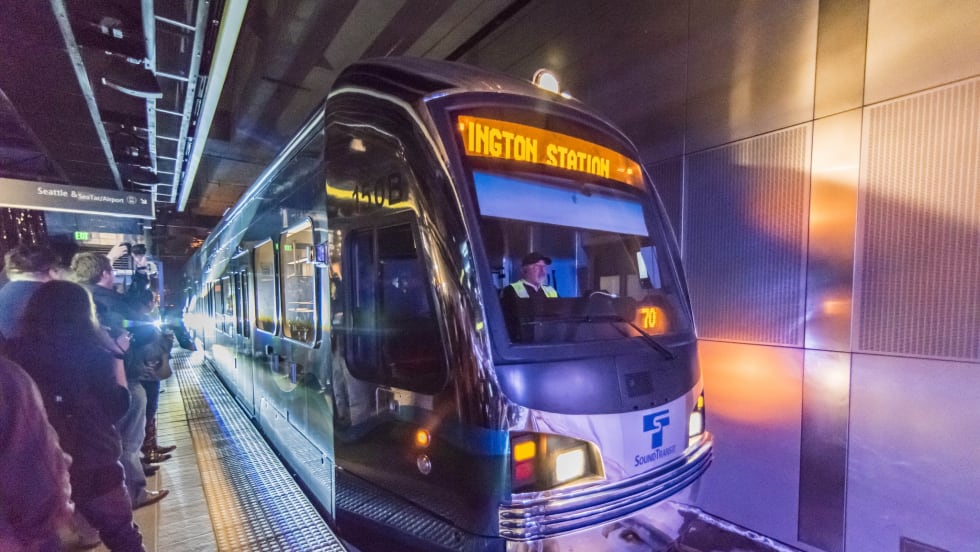
The University Link project is opening six months ahead of schedule and about $200 million under its $1.9 billion budget.
Read More →


Applies to states where a rail transit system operates and carries out several explicit Federal statutory requirements, including that a state must submit its State Safety Oversight program to FTA for certification.
Read More →UTCs selected through this competition must address: improving mobility of people and goods; reducing congestion; promoting safety; improving the durability and extending the life of transportation infrastructure; preserving the environment; and preserving the existing transportation system.
Read More →Like the first seven rounds, grants will fund capital investments in surface transportation infrastructure and will be awarded on a competitive basis for projects that will have a significant impact on the nation, a metropolitan area or a region.
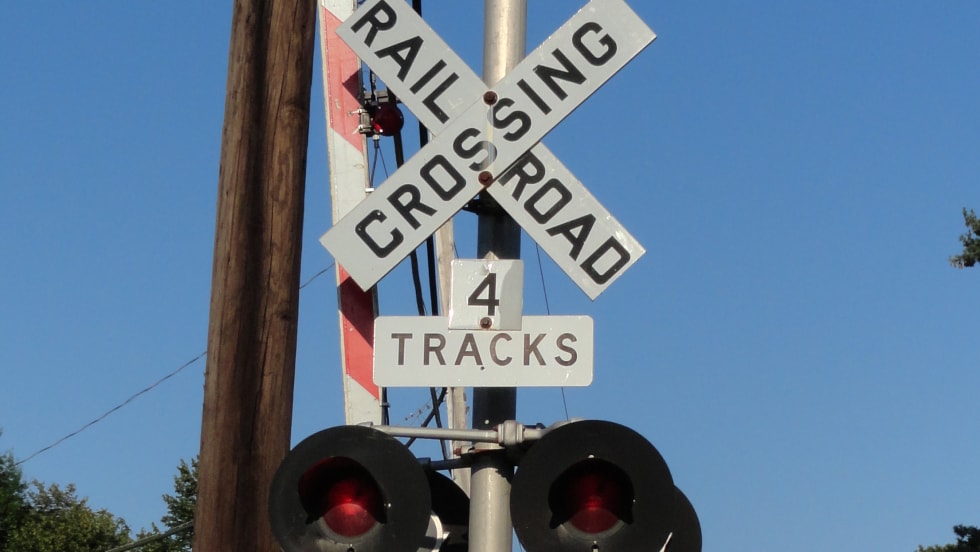
Read More →The agency also urged states to add event recorders to traffic lights connected to railroad crossing systems so information obtained during inspections can be used to improve safety.
Read More →The budget reflects an ambitious 30-year vision for the U.S. DOT to take the U.S. “Beyond Traffic,” toward a transportation network that matches the changing geography of where people live and work and fosters innovation and adapts to evolving technology.
Read More →Both are statutory requirements first authorized by Congress in MAP-21 Act in 2012 and reauthorized in the Fixing America’s Surface Transportation Act in 2015.
Read More →The project improves access to public transportation for thousands of New York City residents, and is another success for the U.S. Department’s TIGER grant program.
Read More →For Fiscal Year 2015, the agency will collect 75% of all civil penalties it issued to railroads for violating federal safety regulations — a 6% increase over FY2014, and the largest percentage rate ever collected by the agency.
Read More →The proposal would replace the current three-tier federal rating system of “satisfactory–conditional–unsatisfactory” for federally regulated commercial motor carriers with a single determination of “unfit,” which would require the carrier to either improve its operations or cease operations.
Read More →