
Metro Magazine

 MENU
MENU SEARCHMENUSEARCH
Loading data...
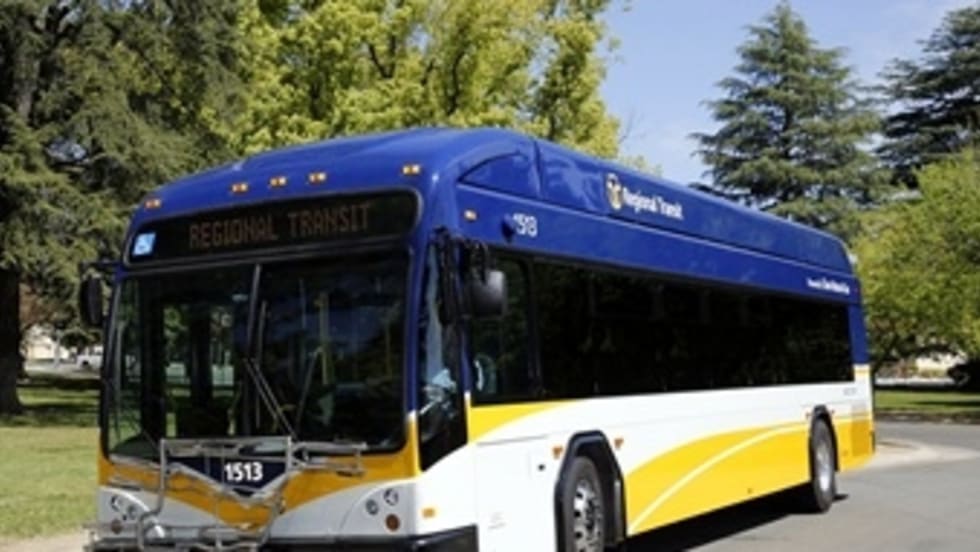
Effective this July, the move is in response to a $2.7 million budget deficit projected for Fiscal Year 2016.
Read More →

The budget reflects an ambitious 30-year vision for the U.S. DOT to take the U.S. “Beyond Traffic,” toward a transportation network that matches the changing geography of where people live and work and fosters innovation and adapts to evolving technology.
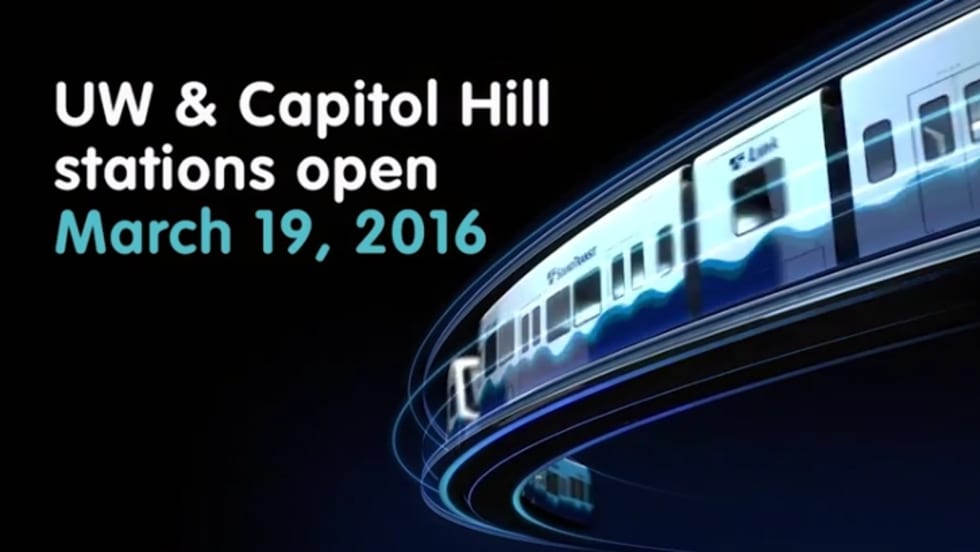
Read More →The University Link extension is expected to add up to 12 million more annual riders on the light rail system by 2020.
Read More →Agency is leaning toward cutting the service, which keeps trains and some buses running about 90 minutes later on early weekend mornings at a cost of $14 million per year, as it seeks to plug a budget gap of $242 million next year.
Read More →The 2016 budget also introduces, builds on and accelerates several new initiatives, service improvements, and technology upgrades to benefit riders and improve the customer experience.
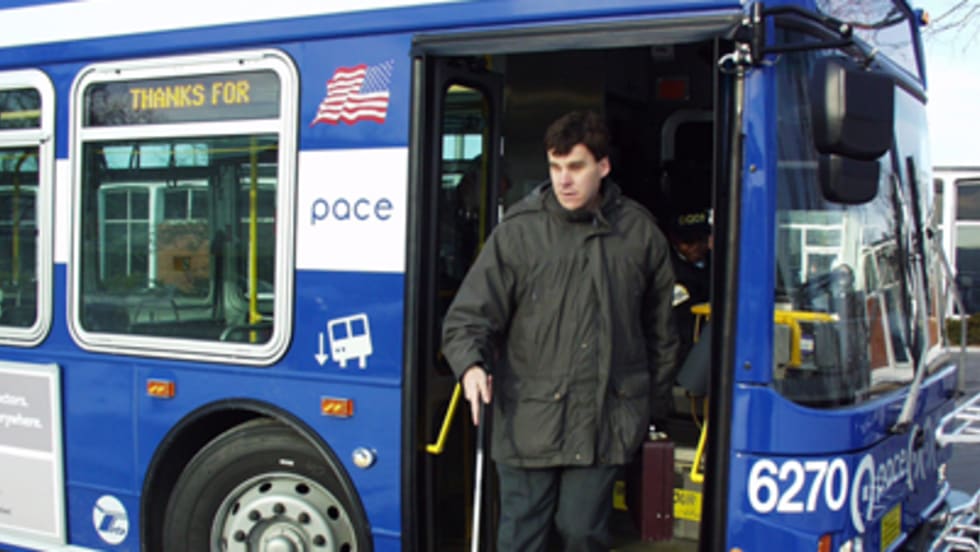
Read More →A paratransit fare increase may be proposed to fill the gap; however, Pace Executive Director T.J. Ross acknowledged it would be very difficult for those riders to absorb.
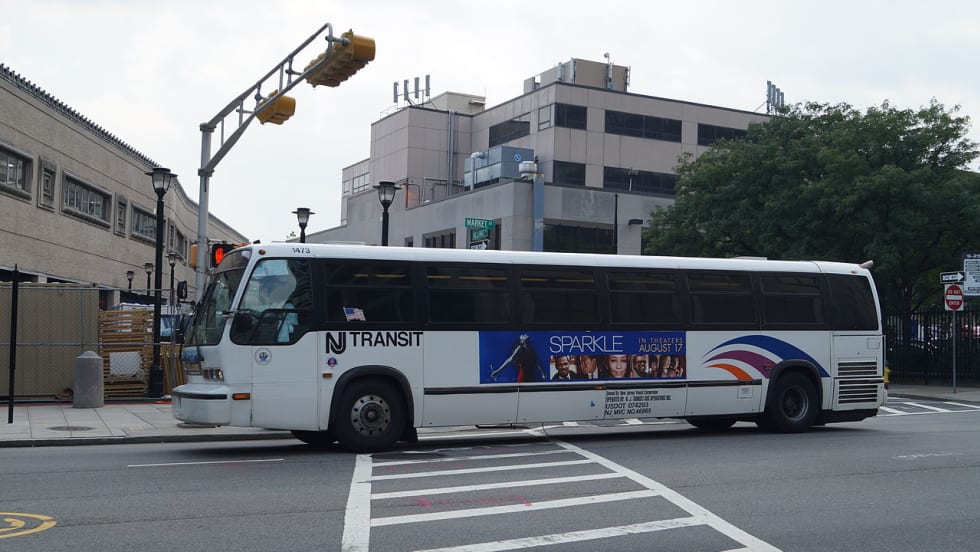
Read More →NJ TRANSIT officials have said the increases, which were proposed in April, are needed to close a $60 million budget gap that remained even after the agency recently cut $40 million. The increases are the first since 2010 when fares increased an average of 22%.
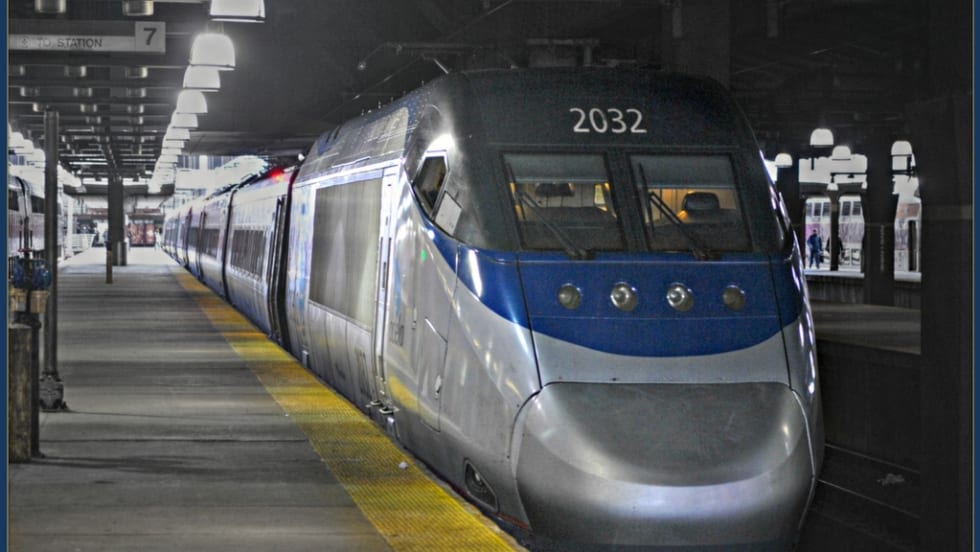
Read More →In December, the Northeast Corridor Infrastructure and Operations Advisory Commission voted, 17-1, to approve a new cost-sharing policy, designed to spread the burden for spending $425 million a year for the next three years for maintenance and upgrades on the corridor.
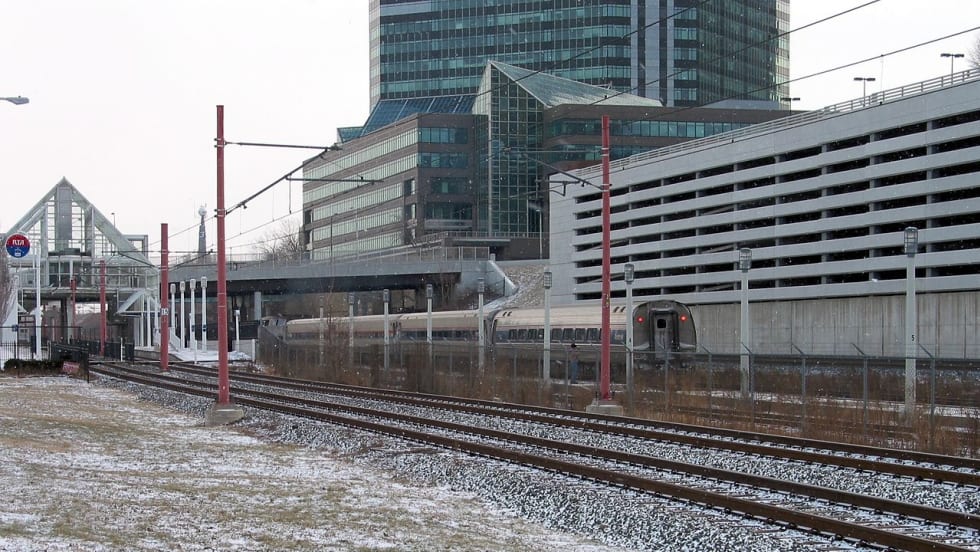
Read More →Aging track ties and instability in the track bed, or ballast, that force operators to apply the brakes to proceed safely is partly to blame in addition to a $150 million budget gap that would bring the rail system to a state of good repair.
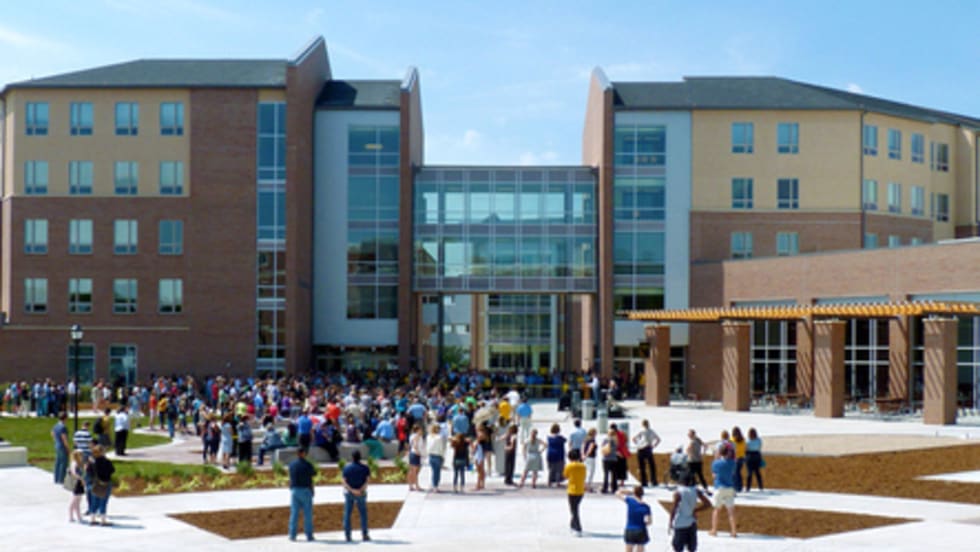
Read More →Administration created the new transportation system a year ago to try to alleviate crowded campus parking and provide Shocker Hall students with 24/7 access to their cars. University officials said they expect to realize financial savings, as well as make students living in the dorm happier.
Read More →