
Metro Magazine

 MENU
 SEARCHMENUSEARCH
Loading data...

The Topeka Metropolitan Transit Authority is considering upgrading its system to include technological features, such as bus tracking, QR codes, automatic passenger counters, security codes and ticket vending machines, at a cost of approximately $2.6 million to $3.6 million.
Read More →


In an attempt to galvanize support for long-term federal transportation funding, more than 350 organizations participated in more than 150 community events on “Stand Up For Transportation Day” in April.
Read More →The reduced ORCA LIFT fare will be available to riders earning at or below 200% of the federal poverty level, about $23,340 annually for an individual or $47,700 for a family of four.
Read More →Jamie Jackson will be responsible for conducting the planning and project management for multimodal transit service, high capacity corridor expansion activities, and fixed guideway improvements at the corridor level throughout the HRT service area
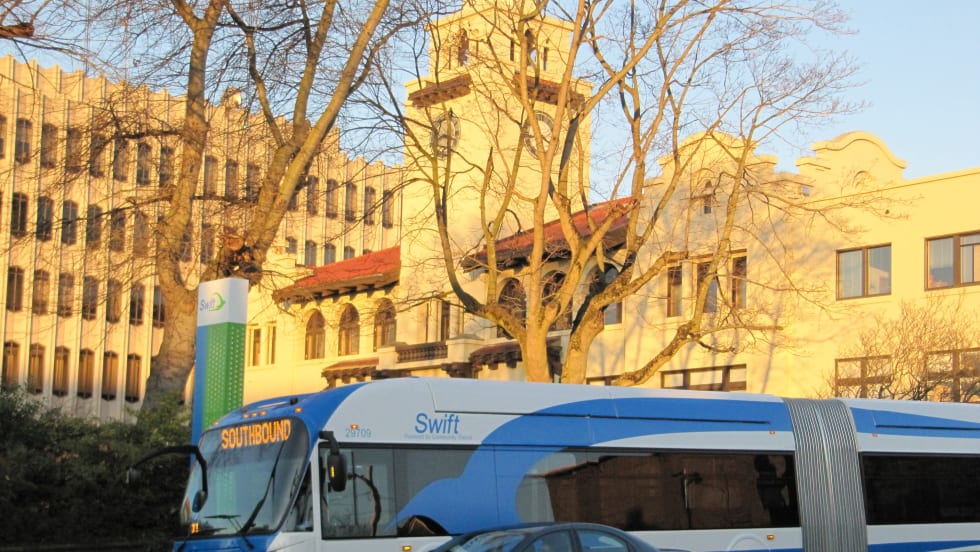
Read More →The agency conducted two rounds of public outreach, incorporating feedback and ideas from riders to best provide fast, frequent, and all-day connections between Snohomish County buses and light rail.
Read More →Authorities are taking a closer look at rules that bar transit guards from getting involved in violent incidents, and instead directs them to call law enforcement.
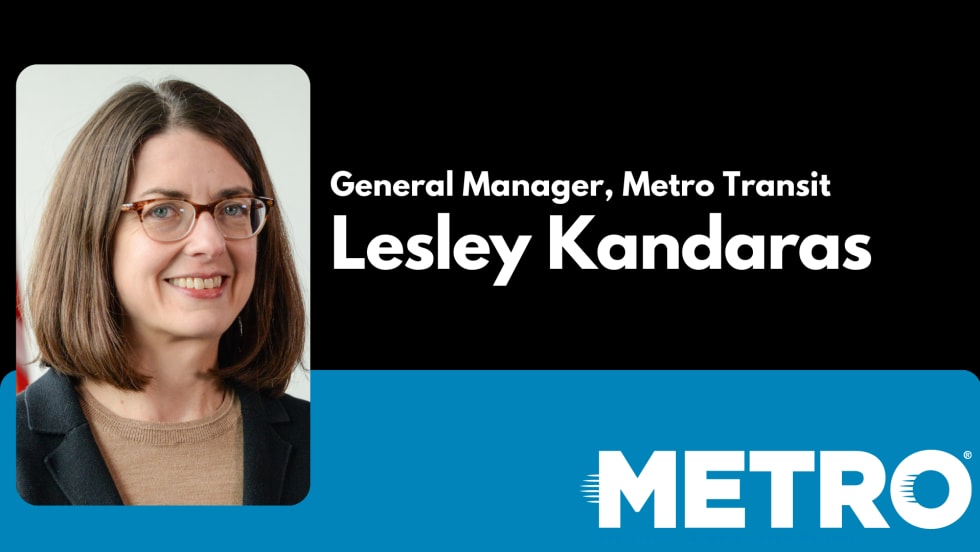
Read More →Lesley Kandaras is the first woman to permanently fill this position at Metro Transit.
Read More →The project will make bus transit more efficient and cleaner with dedicated bus lanes, improved street lighting and crosswalks, artistic landscaping, signal priority and more.
Read More →Prior to McDonald Transit, Rigler served as sr. VP-Global Solutions at Iron Mountain Inc., an S&P 500 company employing almost 17,000 professionals in over 1,000 facilities across 36 countries.
Read More →The 23 buses, dubbed the “Double Talls,” are replacing 60-foot articulated buses that were manufactured in 1998 and are beyond their federal replacement schedule. The vehicles will seat more passengers than the buses they are replacing, require less maintenance and less fuel than the buses they are replacing.
Read More →