




Related: 93% of young professionals support HRT light rail extension
Hampton Roads names new director, transit development
Jamie Jackson will be responsible for conducting the planning and project management for multimodal transit service, high capacity corridor expansion activities, and fixed guideway improvements at the corridor level throughout the HRT service area
October 19, 2016

Hampton Roads Transit
2 min to read

Jamie Jackson was named director, transit development, for Norfolk, Va.’s Hampton Roads Transit (HRT).
Jackson will be responsible for conducting the planning and project management for multimodal transit service, high-capacity corridor expansion activities, and fixed guideway improvements at the corridor level throughout the HRT service area that may become eligible for Federal Transit Administration New Starts funding or other state or federal program resources.
She will also coordinate HRT’s activities with federal, state, and local governments, and other agencies to secure guidance and approvals through the planning, design, and implementation processes. She will work with HRT’s senior executive team to secure funding for proposed and planned improvements in the regional transit network.
Additionally, Jackson will be responsible for coordination with local governments regarding potential transit-supportive land use strategies and land use planning. She reports to Chief Planning & Development Officer Ray Amoruso.
“We are very pleased to have Ms. Jackson come on board to actively advance studies for the extension of high capacity transit,” said William E. Harrell, president/CEO of Hampton Roads Transit. “Her transit background and project management experience are exactly what Hampton Roads Transit needs in order to assist in the development of a regional plan for a multi-modal transportation system.”
Jackson brings a wealth of knowledge and experience in public transportation. Most recently she served as the deputy executive director at Williamsburg Area Transit Authority (WATA). In this role, she was responsible for project management and oversight for WATA’s capital programs in the amount of over $14 million dollars; which include maintenance, engineering, small construction, a new transportation facility, intelligent transportation system, and bus procurement.
She also managed and supervised the information technology, marketing and communications, budget and grants, and procurement staff.
More Management
Sponsored•August 2, 2026
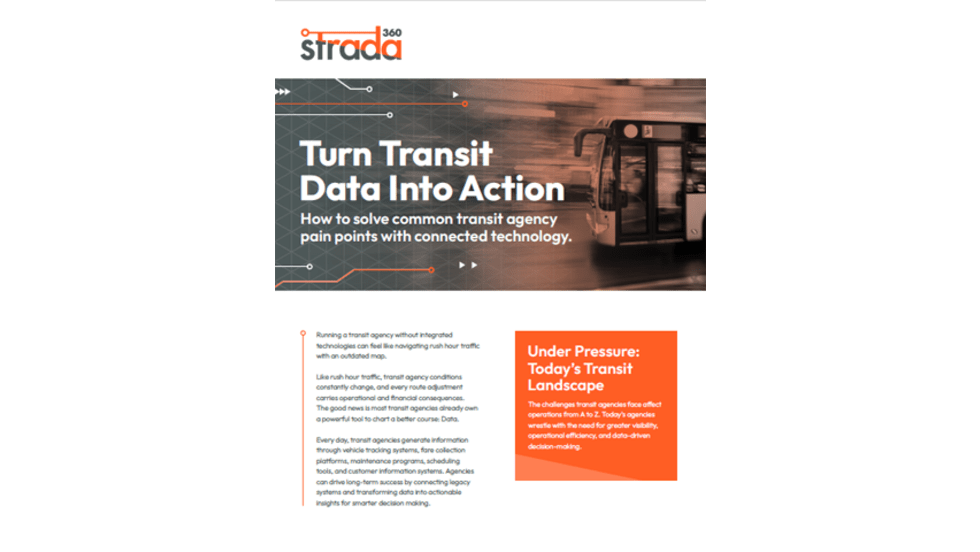
Turn Transit Data Into Action
Discover how leading agencies are using connected technology to gain real-time visibility across operations, improve service reliability, and reduce disruptions.
Read More →
What Transit-Oriented Development Means for the Future of Public Transportation
Once viewed primarily as transit operators, agencies are now leveraging land, partnerships, and long-term planning to boost ridership, expand housing, and strengthen communities.
Read More →
USDOT Announces $22 Million for Transit Innovation, Updates High-Speed Rail Rules
New federal transit funding will support safety, accessibility, and technology projects as updated rail regulations establish new noise standards for high-speed trains.
Read More →
Transportation Construction Coalition Unveils Infrastructure Case Studies Ahead of Federal Funding Deadline
The coalition noted the next surface transportation bill should provide sustained investment in highways and public transit to strengthen freight movement, improve safety, and support economic growth.
Read More →
People Movement: American Bus Association Extends Ferguson and More
METRO’s People Movement highlights the latest leadership changes, promotions, and personnel news across the public transit, motorcoach, and people mobility sectors.
Read More →
METRO Magazine Announces 2026 Innovative Solutions Awards Winners
Projects Recognized for Advancing Mobility Through Technology, Accessibility, Workforce Innovation, and Operational Excellence
Read More →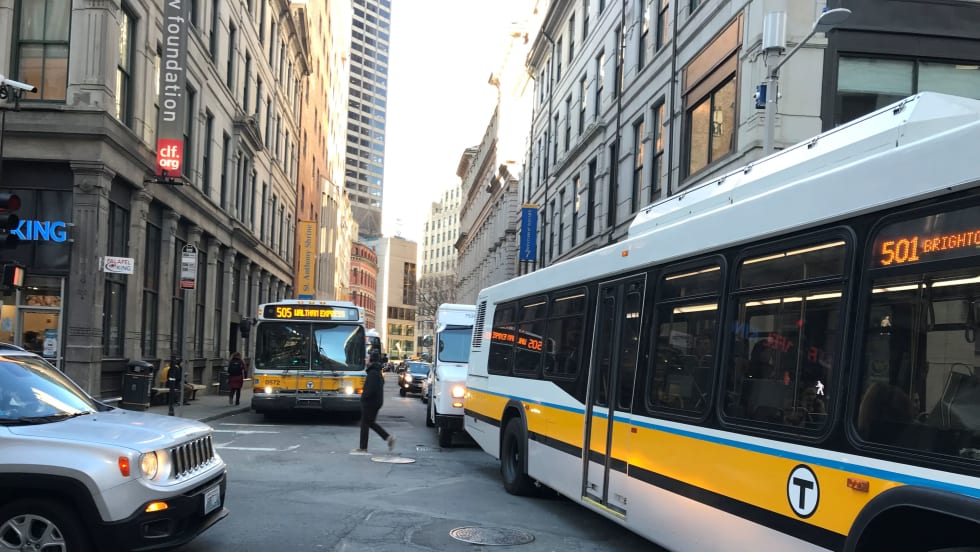
MBTA Rolls Out Pilot Programs to Cut Costs, Simplify Travel
Three new fare pilots — including unlimited two-hour transfers, reduced express bus fares, and free transit for eligible seniors — will launch this fall as Massachusetts extends popular commuter rail discounts through November.
Read More →
FTA Opens $610 Million Funding Opportunity for Bus Infrastructure Projects
The latest Notice of Funding Opportunity provides transit agencies with funding for bus facilities, fleet modernization, and low- and no-emission vehicles, with applications due September 21.
Read More →
Biz Briefs: STV teams with Amtrak, Motorcoach Operators Boost Fleet and Land Contracts, and More
From manufacturers and suppliers to transit agencies and motorcoach operators, these updates offer a snapshot of the projects, partnerships and business moves driving the industry forward.
Read More →
Massachusetts Approves $530M to Strengthen MBTA Operations, Infrastructure
The funding package targets operating stability, capital improvements, and fare affordability, offering a model for agencies navigating long-term funding challenges.
Read More →