
Metro Magazine

 MENU
MENU SEARCHMENUSEARCH
Loading data...

Additional trains on the North Jersey Coast Line restored service levels into New York to 100%. Systemwide, the agency’s rail division reached 94% of its pre-Sandy service level, operating 658 of the 700 weekday trains scheduled prior to the storm.
Read More →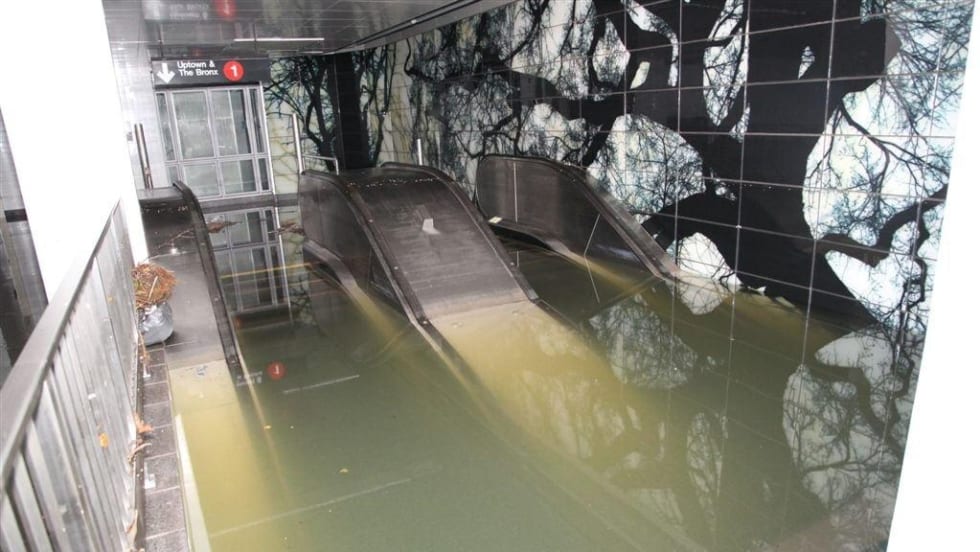
The agency incorrectly used software provided by the National Weather Service that could have warned against a decision to leave hundreds of millions of dollars’ worth of equipment in a low-lying rail yard before Superstorm Sandy struck and damaged nearly one-third of the transit system’s fleet.
Read More →This week the U.S. House of Representatives plans to vote on emergency aid, which will include federal funds to restore affected public transportation systems. In the last Congress, the U.S. Senate voted in favor of a $60 billion aid package, which would have included $10.8 billion for public transportation systems and mitigation activities that would prevent similar destruction from natural disasters in the future.
Read More →Joseph Lhota’s potential run has been a popular topic since Hurricane Sandy, which brought him praise for the MTA's recovery from the worst flooding in the transit system's history.
Read More →For the men and women who run the MTA’s vast network of subways and buses, Superstorm Sandy was a trial, not by fire, but by wind and water.
Read More →NYC Transit created a Winter Weather Travel Guide for customers, and deployed a fleet of snow-fighting and de-icing equipment designed to keep outdoor tracks, switches and third rails clear of snow and ice. NJ Transit will offer full system wide cross-honoring and is deploying snow plows and salt spreaders.
Read More →When asked at a hearing why the agency didn’t move hundreds of railcars and engines before superstorm Sandy struck, executive director Jim Weinstein defended the decision. He said it was based on the fact that its yards had never flooded in NJ Transit’s nearly 30-year existence.
Read More →Building America's Future co-chair was joined at POLITICO transportation summit by other leaders in the transportation and infrastructure arena for a discussion about priorities for 2013 and a review of the year in transportation policy.
Read More →State officials’ confidence that its passenger rail fleet was sufficiently protected from extreme weather led an agency executive to dismiss looking into weatherproofing NJ Transit’s railcars against storms produced by more extreme climate patterns earlier this year.
Read More →Officials reviewed infrastructure for flood mitigation, but more preventive measures may not have helped because of the age and location of the station.
Read More →