
Metro Magazine

 MENU
MENU SEARCHMENUSEARCH
Loading data...
These are the first enhancements as part of a multi-year program that will also include mobile ticketing, reloadable smart cards, and more modern fare collection equipment.
Read More →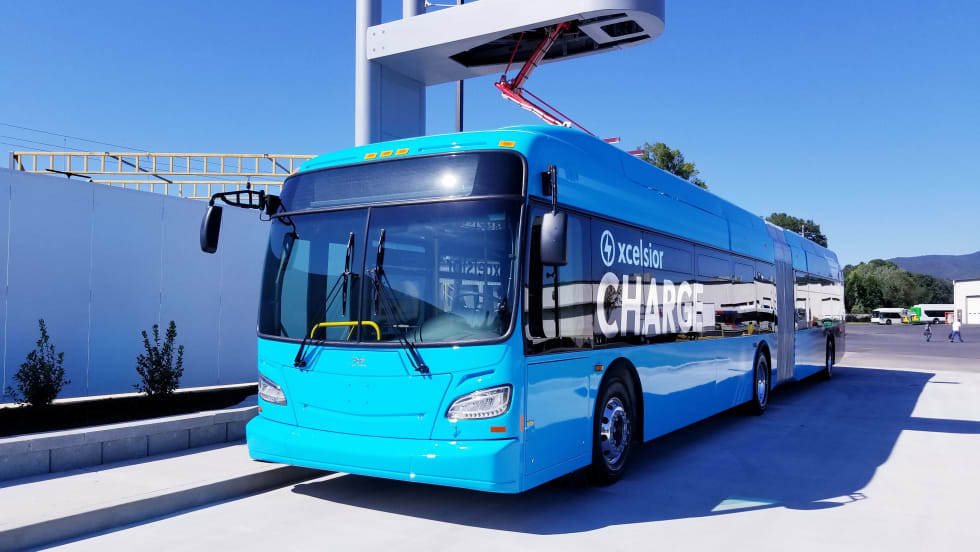
While it is certain that to get ahead of the carbon-neutral curve, the transportation sector needs to focus on electrification, the industry must also figure out how to optimize the current technology it is using.
Read More →Developers will be able to add the info to existing apps or develop new products to bring the benefits to passengers.
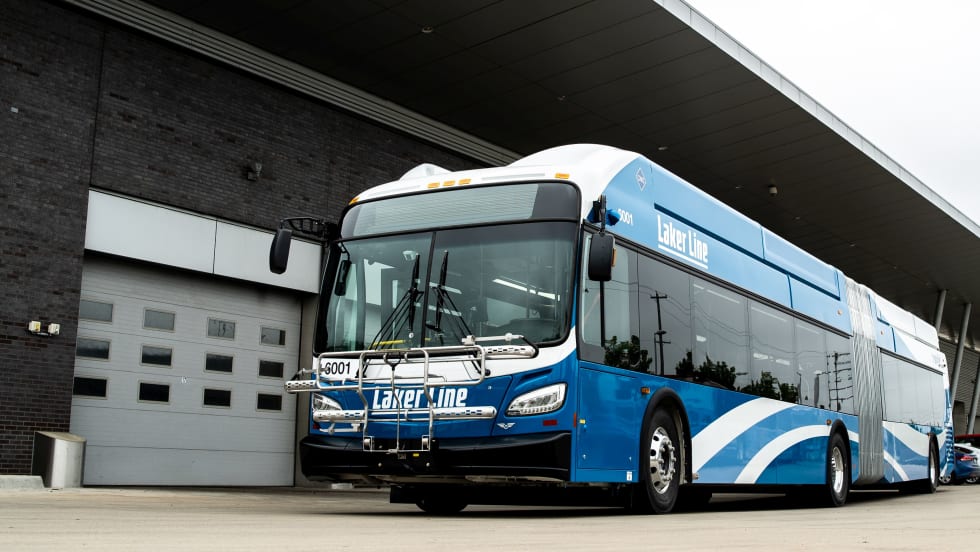
Read More →Construction began on the Laker Line BRT line on April 1, and service is slated to begin in August 2020.
Read More →Offers real-time tracking and trip planning for VTA light rail and bus, and info on first- and last-mile connections to transit.
Read More →As transit agencies look to move ITS and other systems to cloud-based servers, the doors open to integrate with other technologies to both improve efficiencies and the passenger experience.
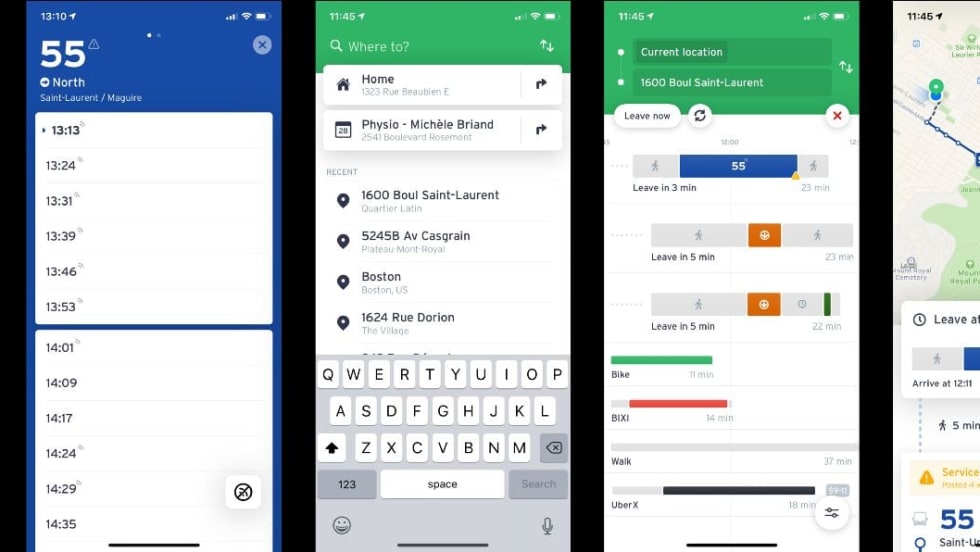
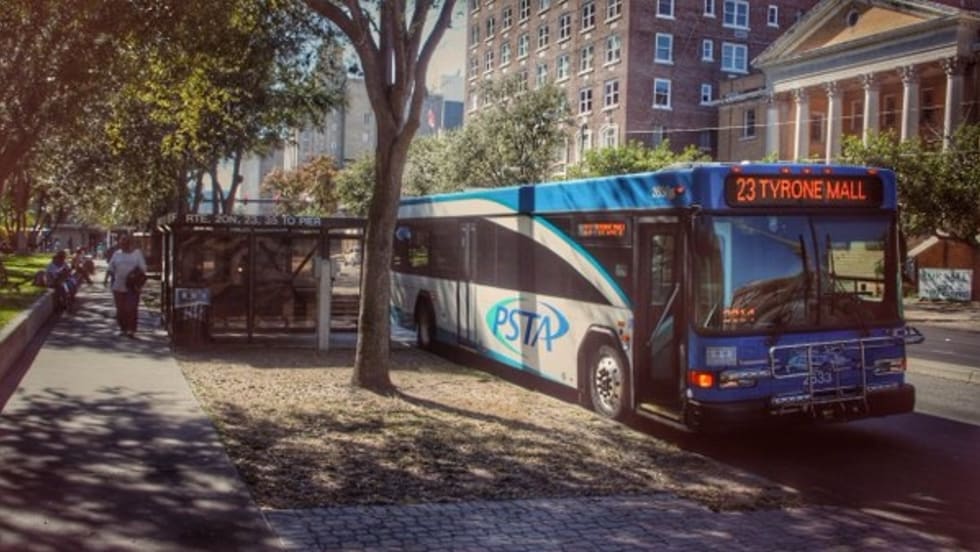
Read More →Transit has an easy-to-use interface that features PSTA’s real-time arrival information, a trip planner, and stop-by-stop directions.
Read More →Many agencies still rely on expensive proprietary software for trip planning and real-time customer information, which present such issues as lack of user-friendly interfaces and a concomitant price structure in which license renewals and software modifications generally cost in the thousands annually.
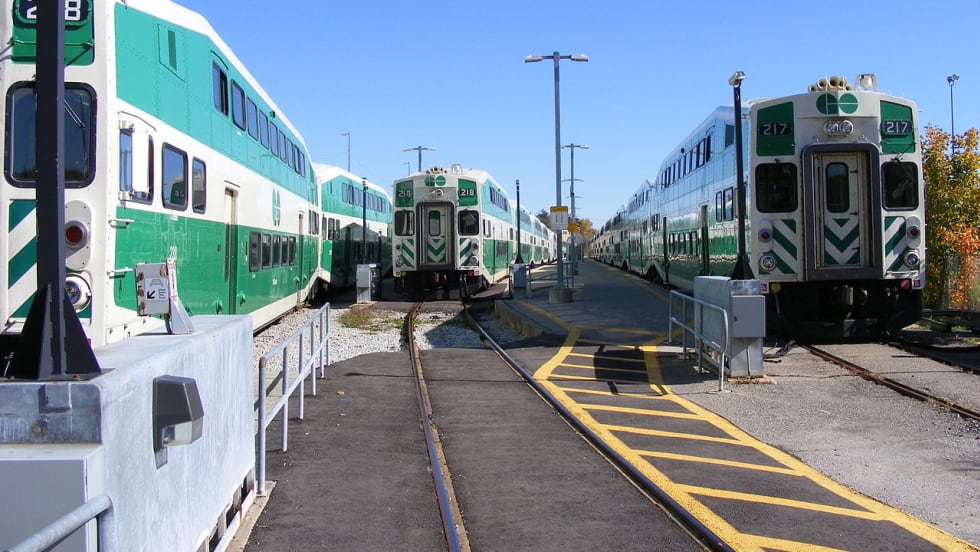
Read More →While the new Twitter accounts will focus on specific delays for each train line, commuters will still have to check the main @GOTransit account for messages affecting the entire system, such as a snow alert or severe weather warnings.
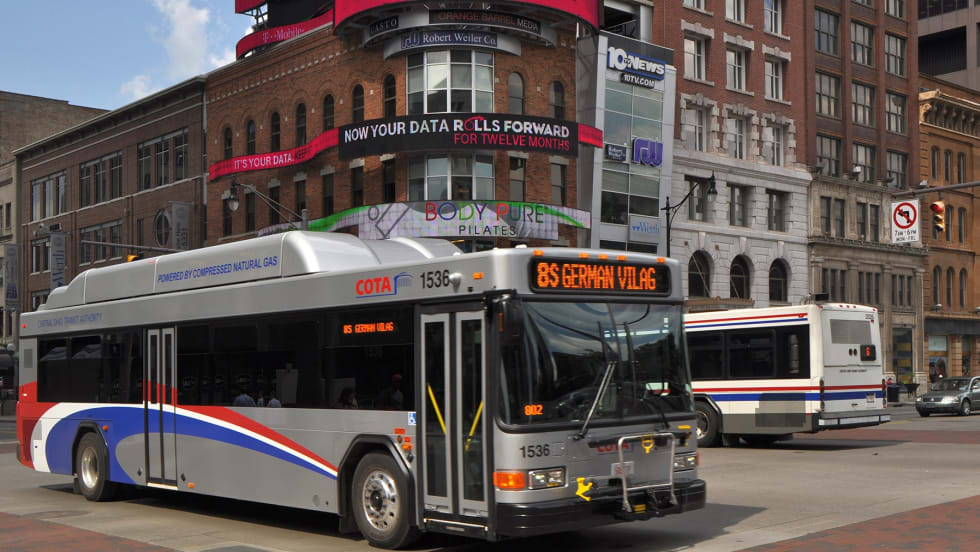
Read More →The cost to COTA will be no more than $250,000 per year, though, the agency is hopeful negotiations with companies vying for the contract will result in no charge for them.
Read More →