How Passenger-Interaction Training Can Help Prevent Bus Operator Burnout
Training and education on interacting with vulnerable populations, would improve both the operator and the passenger experience.
by Danielle Hart
July 31, 2020
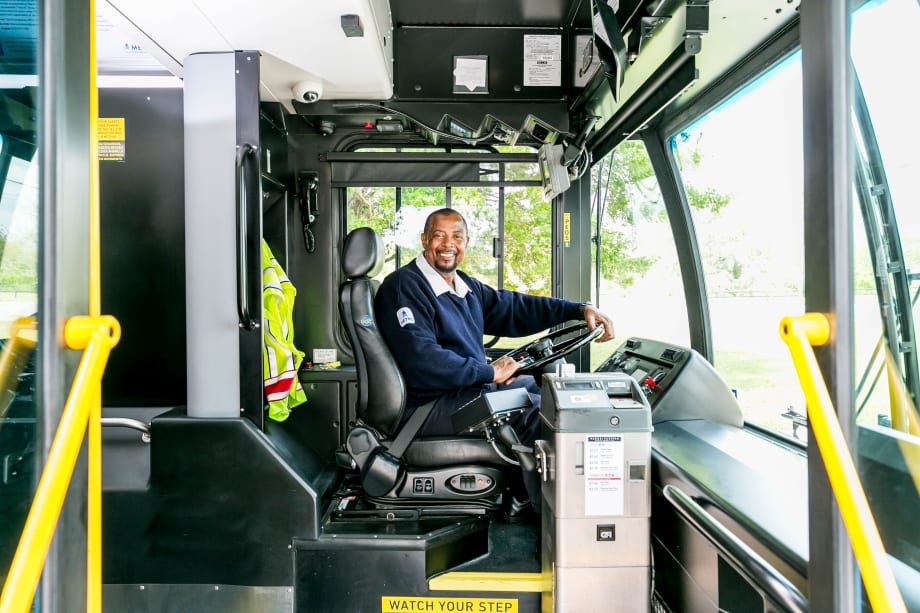
Burnout is a rising epidemic among bus operators.
Photo: Brio Photography
5 min to read
High turnover and absenteeism are a plague on the transit industry workforce, creating a challenge for executive leadership to provide safe, reliable transportation to their riding communities. What negatively impacts safety and reliability ultimately impacts the bottom line.
According to CityLab West Coast Bureau Chief Laura Bliss, many transportation authorities are fighting an uphill battle, given the current shortage of operators.
Ad Loading...
The first step in combating turnover and absenteeism is recognizing that they are symptoms of a deeper issue: Burnout.
Combating Bus Operator Burnout
Burnout is a rising epidemic among bus operators and, if the industry is committed to building a safer and more productive workforce, it must take immediate action. Burnout directly affects one's mental state and can cause physical illness.
The World Health Organization recently classified burnout as an occupational phenomenon. According to the ICD-11, burnout is "a syndrome conceptualized as resulting from chronic workplace stress that has not been successfully managed." Several factors contribute to this phenomenon.
The Mayo Clinic lists significant contributors, starting with a lack of control, including the inability to influence decision-making regarding their job.
Lack of control may refer to one's job schedule, assignment, or workload.
Unclear expectations, dysfunctional workplace dynamics, lack of social support, and the inability to have a proper work-life balance also lead to workplace burnout.
Ad Loading...
Sound familiar? Due to the transit industry's unique conditions and circumstances, operators are forced to navigate these situations regularly. These factors are intrinsic to transit and may seem unavoidable.
However, there is one leading cause of burnout that can be immediately addressed, which is preparation. Specifically, preparing a bus operator for human interaction between them and their riding public.
Bus operators must be prepared for the human interaction between them and their riding public.
Humanitarian aid workers experience higher rates of burnout, and a leading cause is a lack of preparation for the situations they face.
There is a visible correlation between humanitarian-aid workers and a bus operator. International travel is not required to do humanitarian-aid work. Across the U.S., our communities are living in poverty, lack resources, and are frequently exposed to violence.
Ad Loading...
Bringing Bus Operator Training to the Forefront
Charlotte DiBartolomeo, CEO of Red Kite Project, has trained thousands of bus operators across the country in resilience-building. She wants to shift the way the industry views their role.
"I think we need to change the way we recruit, hire, train, and speak about a bus operator — our frontline,” she says. “We think of transit as a customer service industry, as more research emerges on burnout, it is clear that the industry needs to evolve. Our operators cover all corners of our regions, from areas that are thriving to communities that are struggling. If we are going to adapt, we must shift our thinking to view transit as a human service industry."
DiBartolomeo points out bus operators provide an essential service to elders in our communities, act as mentors to our youth, and often act as first responders to crises. Just as humanitarian aid workers have lacked preparation, so have bus operators.
According to a recent NPR article, Seattle is battling a public crisis of “visible homelessness” — people who live on the street and struggle with addiction and mental health issues. While Seattle is trying to figure out how to best deal with this crisis, there are growing concerns.
Many Seattle bus operators are the victims of assault. However, Seattle is not unique in this regard. Many cities are facing similar issues. A Bus operator interacts with the visible homelessness population, as well as other vulnerable populations every day. Bus operators must be prepared for the complex role they are about to take on.
Ad Loading...
"There is a visible correlation between humanitarian-aid workers and bus operators."
Bus operators are trained and tested on the technical aspects of the job. A Commercial Driver's License is required. They need to memorize the routes and know the policy regarding the fare. But, are they prepared for the unforeseeable situations? The seemingly unmanageable, uncomfortable, and potentially dangerous situations? The ones that bus operators are faced with on a regular basis?
As the industry transitions, so must training. More training should focus on the human elements of the job. A bus operator needs to learn the skills to interact with passengers and manage difficult situations to keep themselves, other passengers, and potential bystanders safe.
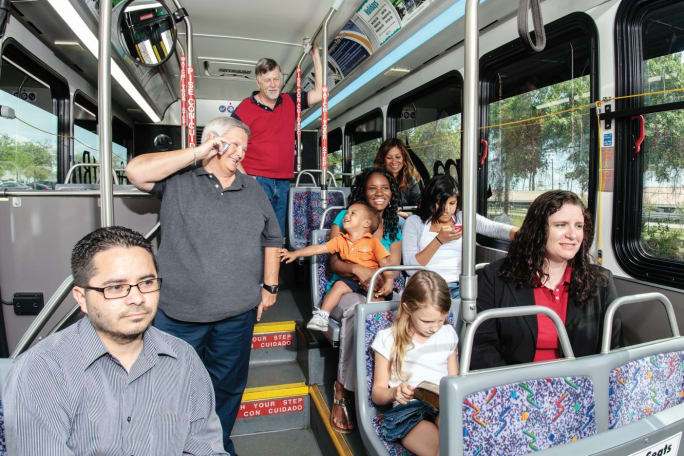
Due to the transit industry's unique conditions and circumstances, operators are forced to navigate difficult situations regularly.
Credit:
PalmTran
Improving Bus Operator Training
Due to the frequency in which bus operators interact with vulnerable populations, training and education on this matter would improve both the operator and the passenger experience.
Understanding trauma, its causes, and learning about the ways it manifests is an eye-opening lesson that would allow for a more positive interaction with passengers.
In addition to improving the customer experience, this type of training has been proven to reduce stress levels and instances of burnout.
Ad Loading...
A large northeast metropolitan transportation authority put this tactic to the test. After seeing positive results, they have utilized this type of training for the past nine years.
During the first four years of the paid training, there was a significant reduction in operator assaults.
Additionally, the analysis showed a 28% reduction in customer complaints, a 38% reduction in patterns of sickness, and a 15% reduction of rule violations.
A later study showed a 50% reduction in absenteeism.
A More Productive Workspace for Bus Operators
Laura Bamber and Katy Brown, the founders of The Vibrancy Hub, which focuses on making workspaces more productive and peaceful, believe the key to addressing burnout is to be proactive instead of reactive. This type of training reduces levels of burnout, in part, because operators are aware of how to identify it, take steps to help themselves if they believe that they are experiencing burnout, and learn ways to prevent its onset.
"Due to the frequency in which bus operators interact with vulnerable populations, training and education on this matter would improve both the operator and the passenger experience."
So what does preparation look like? It is vital for operators to have a basic understanding of trauma and how it impacts the vulnerable populations they serve.
While training relies heavily on preparing operators for their interactions with passengers, there should also be time spent focusing on the operators themselves.
Ad Loading...
They should be provided with skills and techniques to help them reduce stress within their personal lives, and what to look out for regarding burnout.
They should be taught how to identify the signs and symptoms of burnout before it may be too late. Proper preparation helps achieve the ultimate goal — having passengers and operators reach their destination safely. Investing in your frontline, boosts your bottomline.
Danielle Hart is Corporate Trainer-Facilitator at Red Kite Project
The 90-day demonstration will deploy coordinated security teams at five light rail stations while testing controlled access and gathering data to guide future investments.
The app expands on RTD’s existing NextRide web application and allows customers to view real-time vehicle locations and service alerts, purchase and store digital fares, and access customer support.
The revamped program addresses 26 OSHA standards for maintenance facilities, with TAPTCO pointing to training, documentation, and everyday shop hazards as continuing challenges for transit operations.
Wabtec engineers explain how the system improves doorway detection, strengthens diagnostics and gives transit agencies and OEMs greater operating flexibility.
The award-winning partnership combines AI-powered detection with human oversight to improve bus reliability, accessibility, and enforcement efficiency.
The agency's latest homelessness count offers new data on how care-based services and cross-sector partnerships can complement traditional transit security strategies.
The online dashboard transforms National Transit Database information into a public-facing resource that allows users to compare transit agencies on key operational and safety metrics.