



Study Finds 55% of Americans Expect Election to be Most Stressful Day of 2020
Conducted by OnePoll on behalf of Feelmore Labs and Cove, the survey also revealed that Millennials and Gen Xers were more likely to anticipate Election Day to be their most stressful day — at 61% and 58% respectively, whereas only 32% of Baby Boomers shared this sentiment.

Public Domain
According to a recent survey that asked 2,000 U.S. adults to evaluate their current mental health, 55% believe that Election Tuesday will be the tensest day yet this year. In addition, 59% say they can’t imagine being more stressed than they’ve been this year, and 67% just want the year to be over already.
Conducted by OnePoll on behalf of Feelmore Labs and Cove, the survey also revealed that Millennials and Gen Xers were more likely to anticipate Election Day to be their most stressful day — at 61% and 58% respectively, whereas only 32% of Baby Boomers shared this sentiment.
Of course, it’s not just the election that’s cast a pall over 2020. When asked to list the most stressful aspects of this year, 63% of people cited the current COVID-19 pandemic and quarantine — 15% more than the number of people who cited the election.
Now, 95% say that the stress of 2020 has negatively impacted their overall health — most notably their sleeping patterns (45%), their ability to focus (44%), and their weight (41%). In fact, 44% of respondents said the COVID-19 pandemic has negatively impacted their sleep and 61% would not have considered themselves to be stressed out before the pandemic.
Half of respondents even shared that their stress is so overwhelming, they feel like they don’t even have time to find a way to manage it. The easiest way respondents are finding the time, however, is through much needed beauty sleep, as 69% said a night of sound sleep makes them feel less stressed the next day.
On average, they defined a good night’s rest as being at least 6.27 hours, and a bad night’s rest as being 4.2 hours or less — a difference of only two hours total. With all of this in mind, 75% of those polled said they believe there’s a direct correlation between their stress levels and sleep quality.
Nearly seven in 10 respondents (67%) also shared that when they have a stressful day, the quality of their sleep is directly impacted in a negative way. Eighty-two percent believe stress management is important to their health, with almost half (47%) saying that it’s “very” important.
“While we all experience stress in a multitude of ways, one thing is certain — sustained elevated levels of stress negatively affect our quality of sleep, while better sleep quality has the power to positively impact those same stress levels,” said Francois Kress, Co-Founder & CEO of Feelmore Labs. “By reducing stress and unlocking the key to better sleep, we can improve our overall health and wellness.”
Despite that, the typical person spends 25 minutes a day actively trying to manage their stress, with methods that take time and effort like exercising (38%), going for a walk (43%) and meditating or practicing breathing exercises (30%). And while these practices are effective, 60% of people say they need a stress-management tool that is easy to use and doesn't take additional time out of their day.
“Stress management is critically important, now more than ever. But it should not be a stressful task itself,” added Kress. “It is important to have a practice that fits effortlessly into your daily life and leads to sustained healthy results.”
Top 5 Most Stressful Aspects of 2020
COVID-19 / quarantine – 63%
The 2020 presidential election – 49%
Increase in police violence or social unrest – 46%
Financial uncertainty – 44%
Climate Change – 29%
More Security and Safety

Transit Agencies Highlight Safety Gains at National Summit
Leaders from 15 major transit systems shared crime-reduction results and safety initiatives while discussing the role of continued federal support.
Read More →
DART Launches Major Security, Fare Enforcement Initiative
The 90-day demonstration will deploy coordinated security teams at five light rail stations while testing controlled access and gathering data to guide future investments.
Read More →
RTD Launches NextRide App to Consolidate Trip Planning, Fares, Security Reporting
The app expands on RTD’s existing NextRide web application and allows customers to view real-time vehicle locations and service alerts, purchase and store digital fares, and access customer support.
Read More →

TAPTCO Updates OSHA Compliance Training for Transit Maintenance Operations
The revamped program addresses 26 OSHA standards for maintenance facilities, with TAPTCO pointing to training, documentation, and everyday shop hazards as continuing challenges for transit operations.
Read More →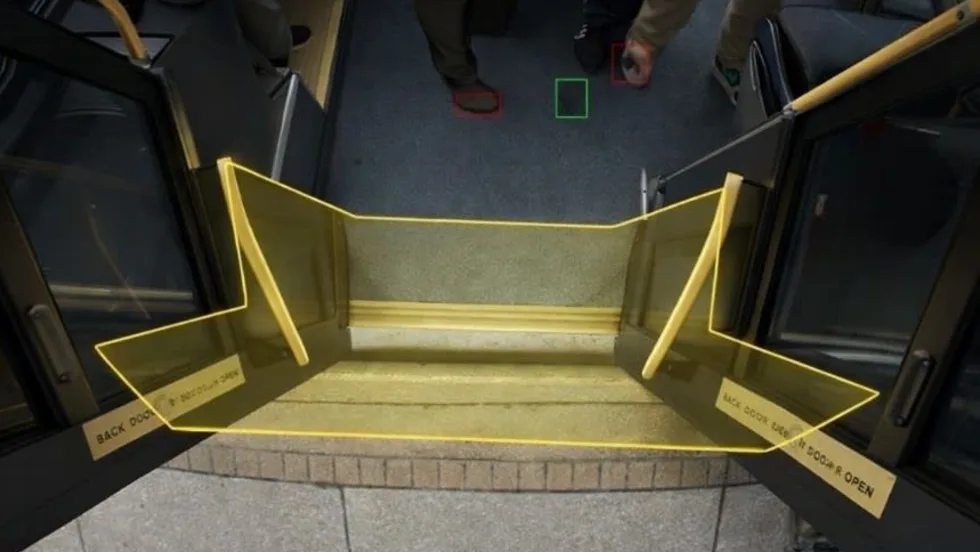
How VaporVision Adds Value to Transit Door Systems
Wabtec engineers explain how the system improves doorway detection, strengthens diagnostics and gives transit agencies and OEMs greater operating flexibility.
Read More →
FRA Announces $5.3B in Rail Investments, Including $2B for Amtrak
Funding will support grade-crossing improvements, infrastructure upgrades, and new Amtrak equipment in 23 states.
Read More →
Chicago, Maryland Expand Non-Law-Enforcement Safety, Rider Support
The CTA and MTA are launching new programs aimed at de-escalation, crisis response, rider assistance, and greater transparency.
Read More →
LA Metro, City of West Hollywood, and Partners Advance Smarter Bus Lane Enforcement
The award-winning partnership combines AI-powered detection with human oversight to improve bus reliability, accessibility, and enforcement efficiency.
Read More →
LA Metro Reports 57% Decline in Homelessness on Transit System Since 2024
The agency's latest homelessness count offers new data on how care-based services and cross-sector partnerships can complement traditional transit security strategies.
Read More →
FTA Launches 'Transit Moves America' Dashboard to Highlight Agency Safety and Performance
The online dashboard transforms National Transit Database information into a public-facing resource that allows users to compare transit agencies on key operational and safety metrics.
Read More →