



Via, autonomous vehicle co. demo 'PodZero' during Vegas event
Visitors will be routed around a 1,500-foot “cityscape” track to New York, the UK, or Las Vegas.

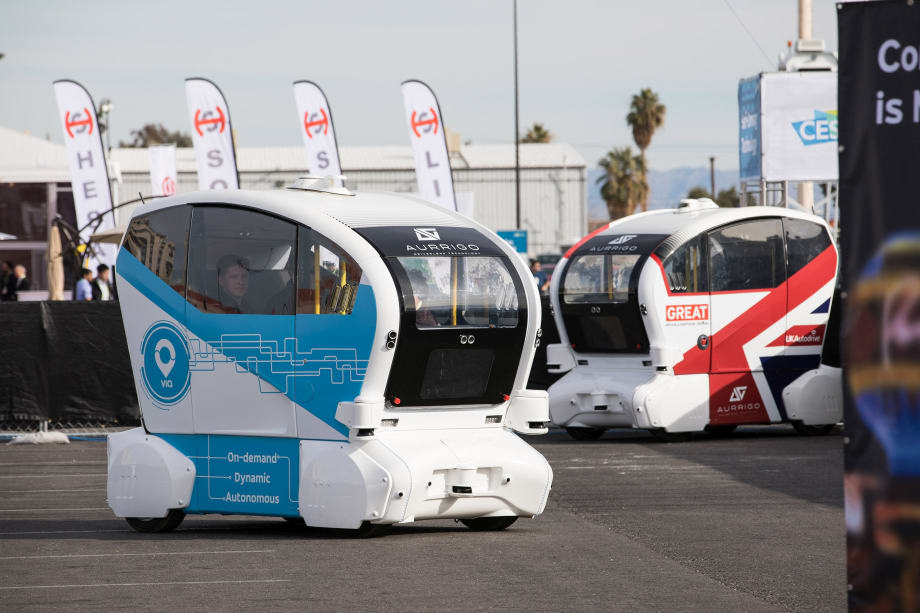
Via has provided more than 45 million dynamically-routed rides around the globe, and has applied this experience in shared mobility to AVs.
Via
Via has provided more than 45 million dynamically-routed rides around the globe, and has applied this experience in shared mobility to AVs.
Via
On-demand transportation company, Via teamed up with UK-based autonomous vehicle manufacturer Aurrigo, to showcase the company's PodZero vehicle, for the first time together, at CES 2019 in Las Vegas.
"If autonomous vehicles are to reach their full potential for providing low-cost, efficient rides, they need to be shared by multiple passengers,” said Oren Shoval, co-founder and CTO of Via. “Via's sophisticated systems are able to power, in real-time, the movement of millions of connected autonomous shuttles and their passengers."
Via has provided more than 45 million dynamically-routed rides around the globe, and has applied this experience in shared mobility to AVs. CES attendees can experience Via’s AV technology by booking a PodZero ride using the Via app at the on-site visitor center. Via will seamlessly book and route the autonomous vehicles on-demand, provide customers with a vehicle location and ETA, and use its advanced augmented reality functionality for easy identification.
During the journey, visitors will be routed around a 1,500-foot “cityscape” track to New York, the UK, or Las Vegas, while interacting with voice-activated technology. In addition to rider-focused AV technology, Via will also demonstrate its AV driver technology, including key functionalities that intelligently select the fastest routes for each shuttle using real-time traffic data from multiple sources; direct shuttles to optimal pick-up locations to avoid detours; and accurately predict how demand patterns will unfold throughout the day and smartly position shuttles to anticipate that demand.
More New Mobility
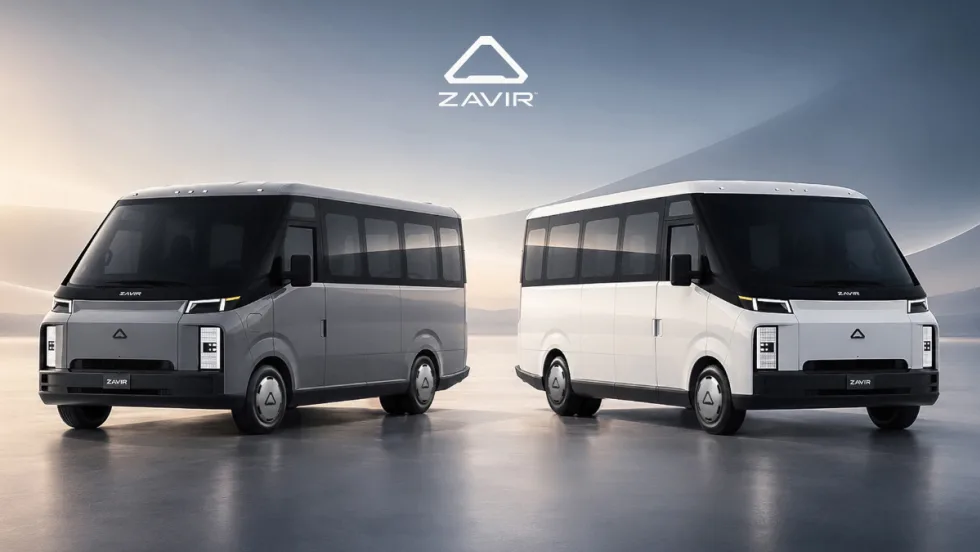
ENC Unveils ZAVIR Medium-Duty Electric Shuttle at APTA EXPO
The new ZAVIR brand targets shuttle and paratransit operations with battery-electric and range-extended electric vehicle options.
Read More →
Public Transit Conference Returning to GFX in 2027, Call for Papers Now Open
The Call for Papers is now open, allowing transit agency professionals and industry experts to help shape the PTC educational program by submitting session ideas for consideration.
Read More →
Everett Transit, Community Transit Outline Consolidation Agreement
The proposed agreement calls for a 50% increase in bus service in Everett, a new microtransit zone, continued paratransit service, and the transfer of Everett Transit operations to Community Transit.
Read More →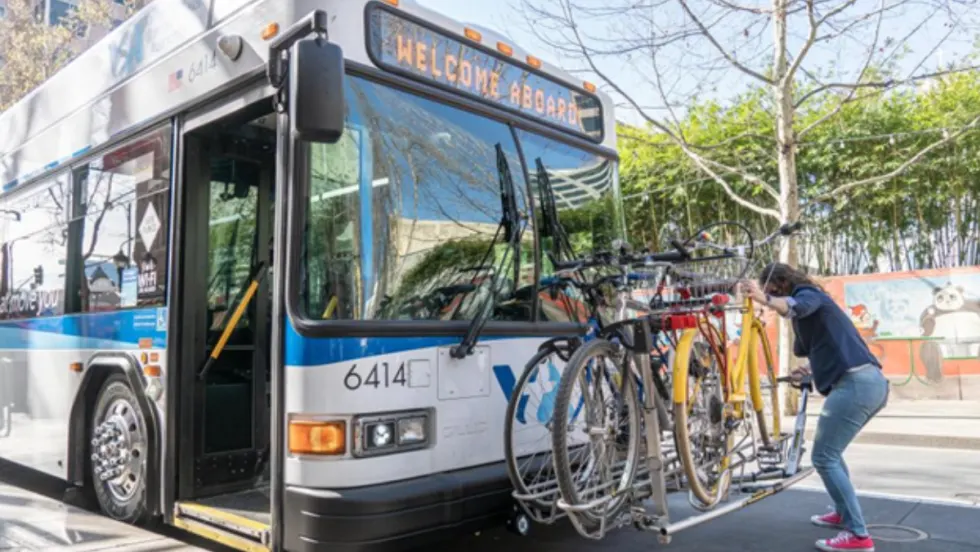
What Multimodal Data Can Tell Transit Agencies About Rider Demand
See how bike-on-bus data is giving transit agencies new insight into rider demand, capacity constraints, and gaps in first- and last-mile connections.
Read More →
From Hardware to Digital Partner: Luminator Charts Its Next Chapter
CEO Magnus Friberg discusses Luminator’s shift toward becoming a digital partner, the growing importance of software and interoperability, and how AI can help agencies improve operations and passenger experience.
Read More →
Biz Briefs: Alstom Lands Canadian Contract, LYT to Supply California TSP, and More
In METRO's latest installment, we take a look at recent news from Complete Coach Works, Beep, FlixBus, and more partnerships making headlines across the transportation sector.
Read More →
CharterUP’s Armir Harris on Technology, AI, and the Future of Group Mobility
In a recent episode of METROspectives, CharterUP Founder/CEO Armir Harris discussed the company’s evolution from an online charter bus marketplace into a technology platform supporting public- and private-sector mobility and much more.
Read More →
Jacksonville’s NAVI Project Charts a New Course for Autonomous Public Transportation
Through its NAVI program, JTA is showing how autonomous vehicles, intelligent infrastructure, and coordinated operations can work together to deliver everyday public transportation.
Read More →
Biz Briefs: Luminator Marks Milestone and More
From manufacturers and suppliers to transit agencies and motorcoach operators, these updates offer a snapshot of the projects, partnerships and business moves driving the industry forward.
Read More →
New Tricks for Old Bureaucracies: Joshua Schank on Making Transit Innovation Stick
Former LA Metro Chief Innovation Officer Joshua Schank discusses why good ideas aren't enough, how transit agencies can overcome resistance to change, and why today's challenges demand more innovation.
Read More →