



Via Announces Scheduling and Supply Studio
The Scheduling and Supply Studio provides the world’s first fully integrated platform for optimizing vehicle and driver availability to rider demand, said company officials.

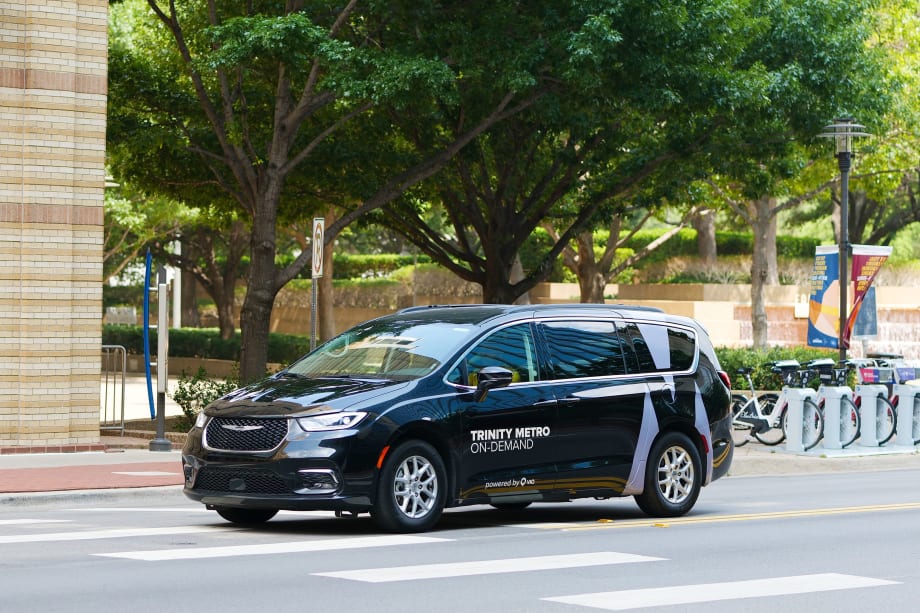
Over the past decade, Via said it has built one of the world’s most comprehensive datasets of real-world transit movement used to train its AI models.
Via
- Via introduced the Scheduling and Supply Studio, an AI-driven platform, to optimize vehicle and driver availability, reducing waste and cutting costs for transit agencies.
- The platform integrates real-time ridership data and forecasting models to tailor supply plans to actual transit conditions.
- Via's platform utilizes a comprehensive dataset from 800-plus transit services to enhance service reliability and efficiency across networks.
*Summarized by AI
Via launched a new Scheduling and Supply Studio platform, which it is calling the first suite of tools designed to leverage AI to help agencies build more efficient supply plans across fixed-route and demand-response services.
The Scheduling and Supply Studio provides the world’s first fully integrated platform for optimizing vehicle and driver availability to rider demand, allowing agencies to reduce waste, cut operating costs, and improve service reliability across their entire network, said Via officials.
The Road to the Finished Product
Over the past decade, Via said it has built one of the world’s most comprehensive datasets of real-world transit movement used to train its AI models.
Billions of data points captured across the 800-plus services Via powers provide invaluable insights into how real-world transit systems behave; combining real-time ridership data with sophisticated forecasting models to ensure that supply is planned for real-world conditions.
The Scheduling and Supply Studio leverages this data to proactively identify scheduling enhancements that minimize dead time and reduce unnecessary guaranteed hours while ensuring timeliness and efficiency of the service.
Key features of the platform include:
- Shared fleet and drivers across modes - Agencies gain efficiencies by scheduling vehicles and drivers across modes in a single platform.
- Optimized supply and demand matching - Real-time ridership and predictive demand enable dynamic supply allocation throughout the day, leading to a better rider experience and higher productivity.
- AI Schedule Builder - Agencies can upload their labor agreements and vehicle and operator constraints, and the AI agent will surface an optimized schedule ready for review and rostering — all from one platform.
“We’re delighted to launch the Scheduling and Supply Studio and empower our customers to make faster and more informed decisions by modeling supply planning scenarios across both fixed-route and demand response networks,” said Nithya Sowrirajan, chief product officer at Via. “This product is the first of its kind in the market, and another key step forward in enabling Via’s platform to power and optimize every facet of public transportation.”
Quick Answers
The main purpose of Via's Scheduling and Supply Studio is to leverage AI to help agencies create more efficient supply plans for fixed-route and demand-response services, optimizing vehicle and driver availability to meet rider demand.
*Summarized by AI
More Technology
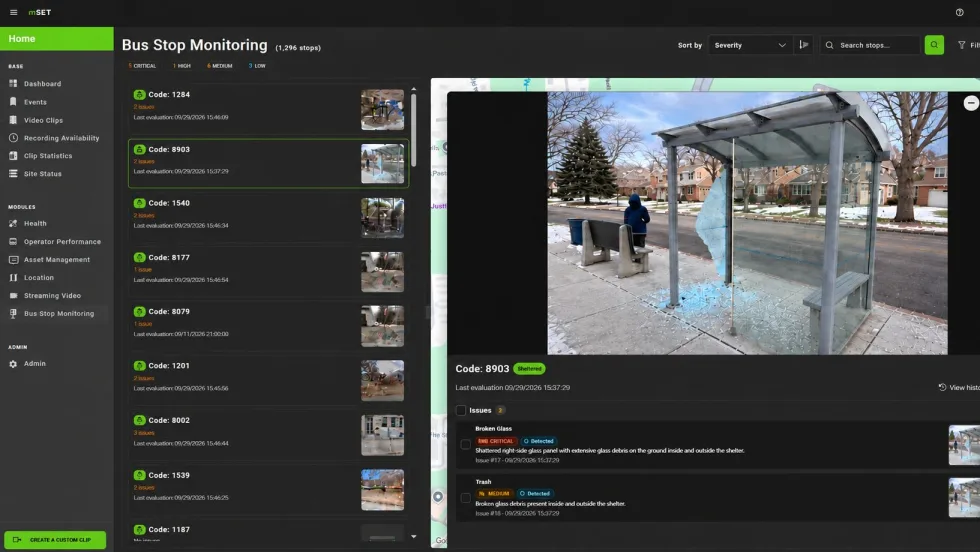
Biz Briefs: Luminator Launches AI Technology to Monitor Bus Stop Conditions and More
In METRO's latest installment, we also take a look at recent news from Masabi, Troman Industries, ioki, CCW, and more partnerships making headlines across the transportation sector.
Read More →
Public Transit Conference Returning to GFX in 2027, Call for Papers Now Open
The Call for Papers is now open, allowing transit agency professionals and industry experts to help shape the PTC educational program by submitting session ideas for consideration.
Read More →
ENC Lands MATA Contract and More in Biz Briefs
In this edition of Biz Briefs, we spotlight the latest developments shaping the future of mobility.
Read More →

Strada360’s Steve Lassey on Turning Transit Data Into Better Decisions
From breaking down data silos to preparing for AI, Strada360 CEO Steve Lassey discusses how transit agencies can use technology to improve operations, customer information, and long-term decision-making.
Read More →
Almaviva Looks to Open Architecture to Advance Transit Technology
Eric Reese discusses how interoperability, open architecture, and modular design can help transit agencies control costs, reduce vendor lock-in, and upgrade technology without starting over.
Read More →
Driving Smarter Paratransit
John Hanlon shares how AlphaRoute is leveraging AI-powered technology to help paratransit providers optimize operations, support frontline staff, and enhance the rider experience.
Read More →
From Hardware to Digital Partner: Luminator Charts Its Next Chapter
CEO Magnus Friberg discusses Luminator’s shift toward becoming a digital partner, the growing importance of software and interoperability, and how AI can help agencies improve operations and passenger experience.
Read More →
Beyond the Checklist: A Structured Approach to Transit Maintenance
Reliability-Centered Maintenance helps transit agencies move beyond routine checklists to focus limited resources on the assets and failures that have the greatest impact on safety, reliability, and service.
Read More →
NJ TRANSIT Advances Bus Technology Upgrades Across Statewide Fleet
More than 1,500 buses now feature upgraded technology designed to improve arrival predictions and provide free Wi-Fi, with deployment expected to reach nearly 2,000 buses by the end of 2026.
Read More →
Building a Flexible Path to Transit Electrification
John Hroncich discusses BAE Systems’ modular and scalable approach, lessons learned from decades of real-world operations, and how agencies can identify electrification strategies that fit their fleets.
Read More →