



E-scooter video depicts how sidewalk use impacts people with disabilities
In video, Portlanders with disabilities share how illegal e-scooter sidewalk riding and improper parking impact their safety.

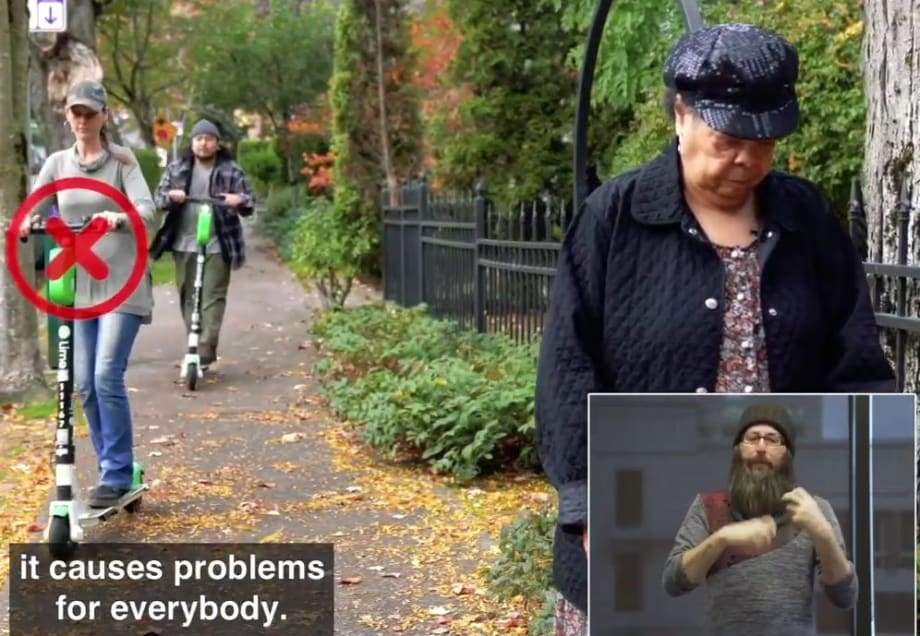
The video is believed to be the first time a city has partnered with a shared e-scooter company to create content intended specifically to address the effects of illegal e-scooter riding on people with disabilities.
Screenshot via PBOT/Lime

The video is believed to be the first time a city has partnered with a shared e-scooter company to create content intended specifically to address the effects of illegal e-scooter riding on people with disabilities.
Screenshot via PBOT/Lime
The Portland Bureau of Transportation (PBOT) teamed up with Disability Rights Oregon, Rooted in Rights, and Lime to release a new e-scooter safety video that raises awareness of the importance of sidewalk access for people with disabilities.
The video is believed to be the first time a city has partnered with a shared e-scooter company to create content intended specifically to address the effects of illegal e-scooter riding on people with disabilities. The release is timed to honor the United Nations’ International Day of Persons with Disabilities.
PBOT released the video in Portland, and Lime will roll out a shorter version in their markets nationwide.
The central message of the new video: “Scoot Smart, Portlanders!”
Ride in the street or bike lane.
Park correctly, near the curb, out of the path of travel and away from buildings and transit stops, and leaving enough space for people using mobility devices to get by.
Wear a helmet.
The video focuses on Portlanders with disabilities who share how illegal e-scooter sidewalk riding and improper parking impact their ability to safely get around.
In 2018, PBOT hosted a focus group with people with disabilities to learn more about the impact of e-scooters. PBOT heard that sidewalk riding was a major concern for seniors and people with disabilities, and that illegal parking was of concern for people who are blind or experience low vision. In response, PBOT was directed to invest in user enforcement and education during the 2019-20 pilot. A partnership with Disability Rights Oregon, Rooted in Rights, and Lime emerged out of several conversations of how to raise awareness amongst riders.
Since April 26, PBOT has issued more than 700 penalties and 57 warnings to companies for improper user behavior. Companies are required to issue notifications, warnings, fines, and account suspensions to users who are not operating e-scooters legally. PBOT regulatory specialists are monitoring sidewalks, documenting instances of illegal scooter riding and parking and providing those to the companies. After receiving a warning, e-scooter riders may receive a fine of $50 for riding on sidewalks or $15 for illegal parking.
The 2019 Shared Electric Scooter Pilot Program started on April 26. It follows a 120-day pilot program in 2018 that showed a shortage of safe places to ride led many to ride e-scooters on sidewalks. To make more safe places to ride e-scooters, e-scooter riders are charged a 25 cent street use fee, and companies are charged a five to 20 cent right-of-way fee to generate funding to build safe places for people to use e-scooters, such as protected bike lanes and neighborhood greenways. PBOT learned in the first pilot that where e-scooter users had safe places to ride in the street, sidewalk riding decreased. The investments will also improve safety for people walking, biking or using mobility devices.
More Paratransit

Biz Briefs: RIPTA Unveils New Frontrunners, Clevland RTA Adds New Siemens, and More
In METRO's latest installment, we take a look at recent news from Siemens, Prevost, Dodge, and more partnerships making headlines across the transportation sector.
Read More →
King County Metro Makes ADA Paratransit Easier to Navigate
METRO's Innovative Solutions Award winner replaces complex service-area descriptions with an accessible, interactive map that puts paratransit information directly in customers’ hands.
Read More →
Jacksonville’s NAVI Project Charts a New Course for Autonomous Public Transportation
Through its NAVI program, JTA is showing how autonomous vehicles, intelligent infrastructure, and coordinated operations can work together to deliver everyday public transportation.
Read More →
Driving Smarter Paratransit
John Hanlon shares how AlphaRoute is leveraging AI-powered technology to help paratransit providers optimize operations, support frontline staff, and enhance the rider experience.
Read More →
METRO Magazine Announces 2026 Innovative Solutions Awards Winners
Projects Recognized for Advancing Mobility Through Technology, Accessibility, Workforce Innovation, and Operational Excellence
Read More →
Biz Briefs: STV teams with Amtrak, Motorcoach Operators Boost Fleet and Land Contracts, and More
From manufacturers and suppliers to transit agencies and motorcoach operators, these updates offer a snapshot of the projects, partnerships and business moves driving the industry forward.
Read More →
Biz Briefs: Masabi Teams with St. Louis Metro and More
In METRO's latest installment, we take a look at recent news from Transdev, Hitachi, and more partnerships making headlines across the transportation sector.
Read More →
New York MTA Leverages Zoning Program to Advance Station Accessibility
Accessibility enhancements at Nevins St Station will be financed through a development agreement tied to the MTA's Zoning for Accessibility initiative.
Read More →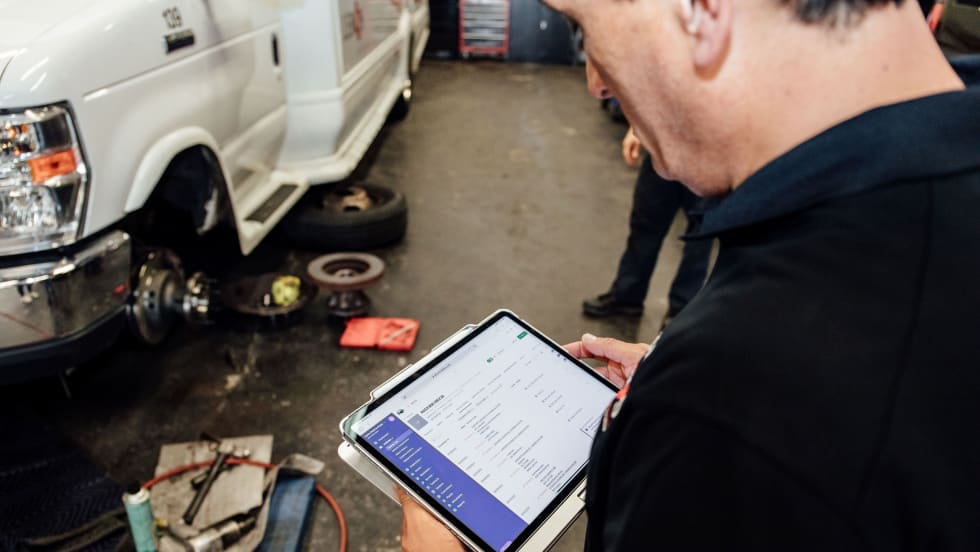
Reinventing Fleet Maintenance with Real-time Visibility and AI
Transit leaders need to know what needs fixing, where to look, who is responsible, when work is completed, and what it costs without having to chase information across disconnected systems.
Read More →
SamTrans Sets Priorities for Potential Connect Bay Area Revenue
The board-approved framework allocates future funding to maintaining service, rider improvements, equity initiatives, and infrastructure repairs.
Read More →