



Transdev, Maryland Transit partner to get essential hospital employees to work
The contractor is transporting local, essential hospital workers from these designated pickup locations to the Greater Baltimore Medical Center.

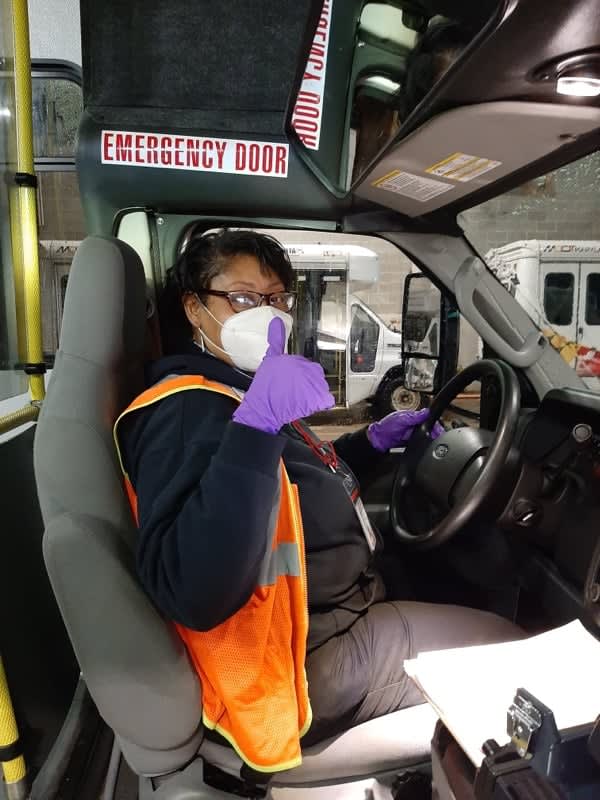
Transdev identified specific locations in the Baltimore area, certain schools, churches, and government buildings, that would act like pseudo “park ‘n rides” for shuttle pick-ups.
Transdev
As part of its continuing efforts to support the communities it serves, Transdev North America has partnered with its client, Baltimore MTA (Maryland Transportation Association), to help essential Greater Baltimore Medical Center (GBMC) employees get to work.
Based on the unique circumstances that exist with the transportation contracts in Baltimore, Transdev’s partnership with Baltimore MTA also includes a cooperative agreement with all three supporting contactors — Transdev, along with First Transit and MV. Each contractor is providing essential support based on the service they provide for Baltimore MTA.
Transdev identified specific locations in the Baltimore area, certain schools, churches, and government buildings, that would act like pseudo “park ‘n rides” for shuttle pick-ups. Transdev is transporting local, essential hospital workers from these designated pickup locations to the Greater Baltimore Medical Center.
“As a direct result of the unfortunate reduction in public transportation services, we were quickly reminded that essential employees in the healthcare industry extended far beyond doctors and nurses,” said Donald Scruggs, chief of mobility field operations, Baltimore MTA. “The loss of regular transit services affected all employees of the hospital, including the cafeteria workers, imaging techs, administrative staff, janitorial support, pharmacy workers, and housekeeping employees — all of who keep the hospital running efficiently every day,” added Scruggs. “These employees needed our help and we were glad to provide them with a solution and support.”
During this unprecedented time, Transdev remains aware of the need for life sustaining services beyond public transportation in the communities that it serves and continues to look for opportunities to provide assistance.
More Management
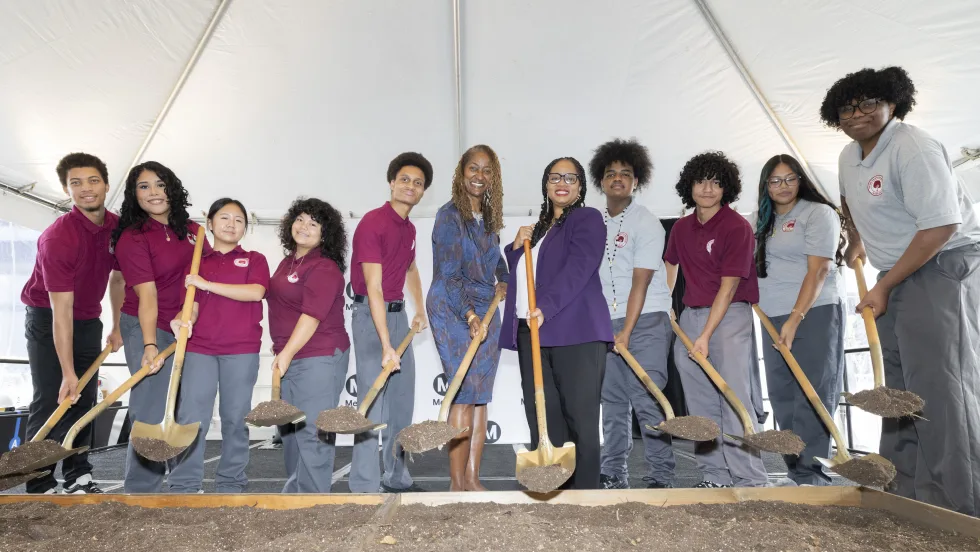
LA Metro Breaks Ground on Vermont BRT Project
The 12.4-mile corridor is projected to serve 66,200 daily riders, reduce travel times by up to 24%, and create the nation's busiest bus rapid transit corridor.
Read More →
Building Stronger Leaders, More Resilient Transit Teams
Dr. Carol Parker Walsh discusses leadership development, employee retention, workplace culture, and preparing transit’s workforce for AI and automation.
Read More →
Roman Cornell on ABC Companies’ Evolution and the Future of Passenger Transportation
The company’s CEO discusses carrying forward a third-generation family legacy, ABC’s continued evolution in passenger transportation, support for increasingly complex fleets, and how technology and continued investment could help operators improve uptime.
Read More →
CATS Launches West Charlotte Microtransit Zone, Expands Transit Services
The new microtransit zone connects residents to key destinations as Charlotte Area Transit System rolls out the first phase of its 2055 Transit System Plan.
Read More →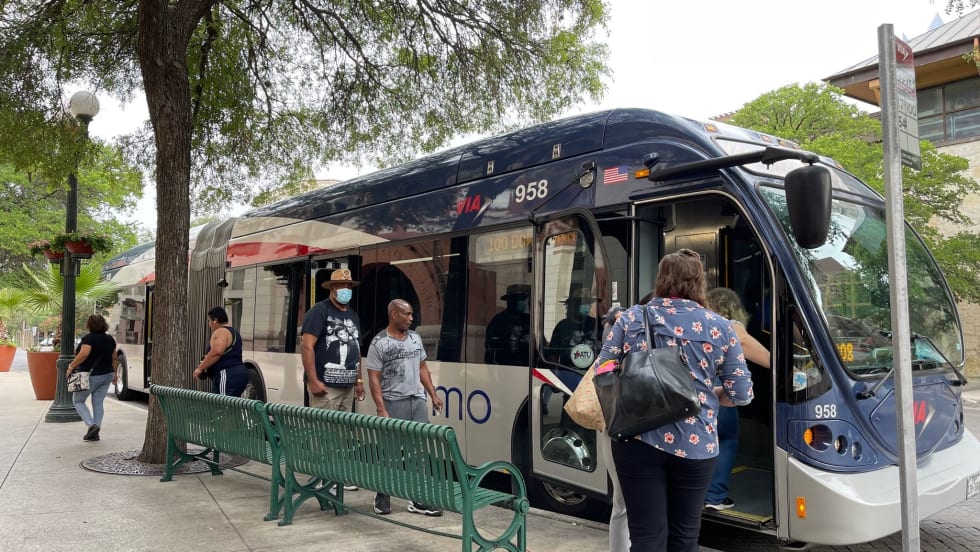
VIA Bus Ridership Grows 10.1% Through August 2026
San Antonio's VIA Metropolitan Transit reported the highest bus ridership growth among major Texas transit systems. Federal Transit Administration data ranked it second among the nation's 50 largest transit systems.
Read More →
CSA Group Releases Climate Resilience Standard for Transit, Passenger Rail
Developed with support from the Standards Council of Canada, CSA D700 guides assessing climate-related risks and planning adaptation measures for transit and passenger rail systems.
Read More →
ETA CEO John Maglio on Transit Technology, Innovation, and Building Agency Trust
ETA founder and CEO John Maglio explores the evolution of transit technology, the importance of reliable systems, and how stronger partnerships can help agencies improve operations and the passenger experience.
Read More →
COTA Launches First Customer Experience Action Plan to Improve Transit Service
The new plan outlines improvements to service reliability, accessibility, communication, and the overall rider experience across Central Ohio's transit system.
Read More →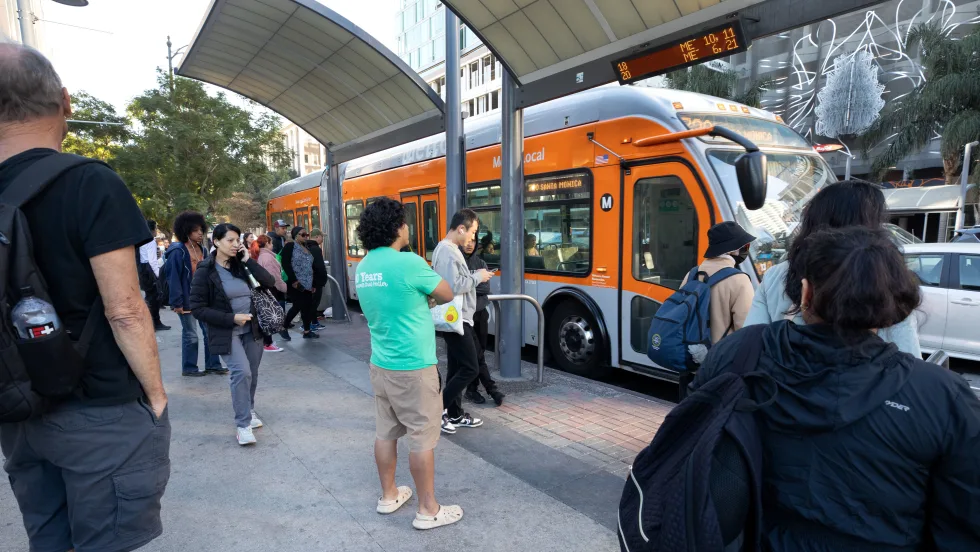
LA Metro September Ridership Climbs 3.9%, Led by Rail Growth
The agency recorded more than 27.2 million boardings, with rail ridership increasing 12.4% year over year and the D Line posting the largest gains.
Read More →
Utilimarc Launches SmartReplace to Optimize Fleet Replacement Decisions
AI-powered SmartReplace helps fleets prioritize vehicle replacements, model budget scenarios, and build more defensible long-term strategies.
Read More →