



NY Metro: All Railroads Equipped with PTC
The completion of the federally mandated technology project comes in ahead of the Dec. 31 deadline.
Marc A. Hermann/MTA New York City Transit
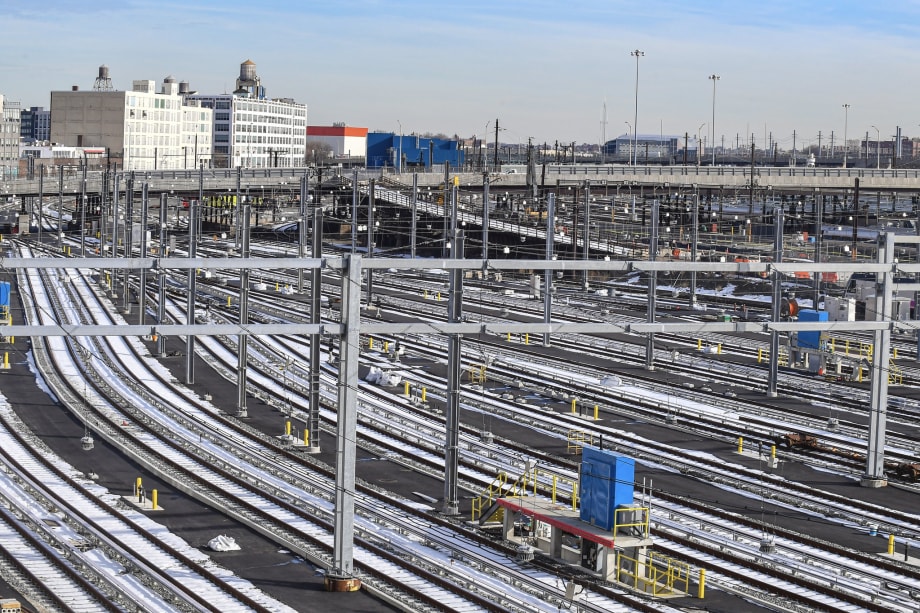
MTA Metro-North Railroad President Catherine Rinaldi and Long Island Rail Road President Phil Eng announced that all trains on both railroads are operating in Positive Train Control (PTC). The completion of the federally mandated technology project comes in ahead of the Dec. 31 deadline.
“There is no higher priority at the MTA than safety, and full PTC implementation brings our railroad operations to the next level,” said MTA Chairman and CEO Patrick J. Foye. “I thank Cathy, Phil and the incredible employees at Metro-North and LIRR who made this happen by the federal deadline in the midst of a global pandemic. This technology will prevent future collisions and ultimately help save lives across our more than 500-mile commuter rail systems.”
Through PTC, LIRR and Metro-North trains automatically communicate in real time with central dispatching offices — sharing information on train position, speed, and the actions of the locomotive engineer. If a train is traveling too fast, the system automatically takes control of the train to slow it down while alerting the engineer.
The system is designed to reduce the potential for human error to contribute to train-to-train collisions, trains traveling into zones where railroad employees are working on tracks, or derailments caused by a train traveling too fast into a curve or into a misaligned switch. It relies on a network of transponders spaced every one to two miles depending on interlocking density. Metro-North has 3,800 transponders and LIRR has 4,274.
All pieces of rolling stock, including revenue and work trains, have on-board computers. MTA staff and personnel from Siemens and Bombardier have worked together around the clock for months to ensure the timely delivery of this system.
In several of the final steps toward reaching this milestone, the Long Island Rail Road on Dec. 5 achieved full interoperability with Amtrak, which runs in joint territory between Penn Station and Sunnyside, Queens. Metro-North completed New Haven Line boundary integration route testing which was commissioned on Dec. 4, and activated software on the New Haven Line’s M8 fleet on December 3. Both railroads, in November, achieved safety plan approvals from the FRA and successfully continue implementation despite facing challenges, such as delayed delivery of system software earlier in the year and, and COVID-19 impacts since March.
PTC maintenance will continue, following completion on both railroads, to monitor reliability and safety as well as system software updates to make operational improvements and correct variances.
More Security and Safety

Transit Agencies Highlight Safety Gains at National Summit
Leaders from 15 major transit systems shared crime-reduction results and safety initiatives while discussing the role of continued federal support.
Read More →
DART Launches Major Security, Fare Enforcement Initiative
The 90-day demonstration will deploy coordinated security teams at five light rail stations while testing controlled access and gathering data to guide future investments.
Read More →
RTD Launches NextRide App to Consolidate Trip Planning, Fares, Security Reporting
The app expands on RTD’s existing NextRide web application and allows customers to view real-time vehicle locations and service alerts, purchase and store digital fares, and access customer support.
Read More →

TAPTCO Updates OSHA Compliance Training for Transit Maintenance Operations
The revamped program addresses 26 OSHA standards for maintenance facilities, with TAPTCO pointing to training, documentation, and everyday shop hazards as continuing challenges for transit operations.
Read More →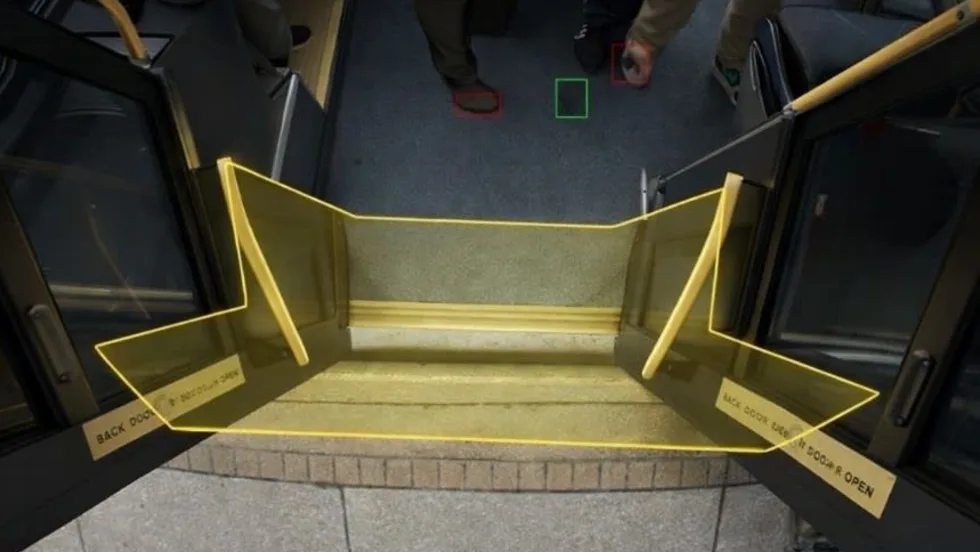
How VaporVision Adds Value to Transit Door Systems
Wabtec engineers explain how the system improves doorway detection, strengthens diagnostics and gives transit agencies and OEMs greater operating flexibility.
Read More →
FRA Announces $5.3B in Rail Investments, Including $2B for Amtrak
Funding will support grade-crossing improvements, infrastructure upgrades, and new Amtrak equipment in 23 states.
Read More →
Chicago, Maryland Expand Non-Law-Enforcement Safety, Rider Support
The CTA and MTA are launching new programs aimed at de-escalation, crisis response, rider assistance, and greater transparency.
Read More →
LA Metro, City of West Hollywood, and Partners Advance Smarter Bus Lane Enforcement
The award-winning partnership combines AI-powered detection with human oversight to improve bus reliability, accessibility, and enforcement efficiency.
Read More →
LA Metro Reports 57% Decline in Homelessness on Transit System Since 2024
The agency's latest homelessness count offers new data on how care-based services and cross-sector partnerships can complement traditional transit security strategies.
Read More →
FTA Launches 'Transit Moves America' Dashboard to Highlight Agency Safety and Performance
The online dashboard transforms National Transit Database information into a public-facing resource that allows users to compare transit agencies on key operational and safety metrics.
Read More →