



Philadelphia, SEPTA Unveil Transit Improvement Plan
The plan includes design improvements, restructured fares, enhanced bus corridors, and a modernized trolley network.
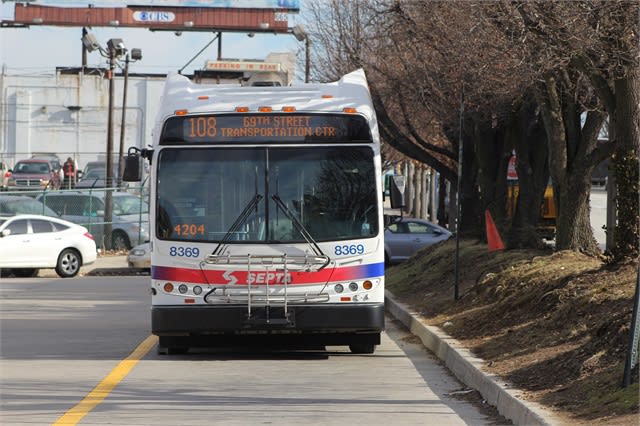
Part of Philadelphia's Transit Plan includes a redesign of SEPTA's bus network.
SEPTA
Philadelphia officials, regional partners, and representatives from the Southeastern Pennsylvania Transportation Authority (SEPTA) released a new plan for improving public transit in the city.
The “Philadelphia Transit Plan, A Vision for 2045” is a 192-page document that outlines the city’s mission of creating “a more equitable, safe, accessible, comfortable, affordable, and sustainable transit system,” including improvements to design, restructured fares, enhanced bus corridors, and a modernized trolley network.
“We cannot fully address the systemic racial disparities among the city’s residents, recover from the current economic crisis, and fight the climate crisis without investing in public transportation,” said Philadelphia Mayor Jim Kenney. “The coronavirus pandemic and its economic challenges make transit planning more important than ever.”
The new plan sets out five goals and a range of strategies to ensure the city is connected by transit, which include:
Transit for safety, reliability, and cleanliness
Prioritize buses on our streets by adding bus lanes and other features to speed up service and eliminate delay.
Enhance cleanliness and safety on transit vehicles and at transit stops or stations, building on progress made during the COVID-19 pandemic.
Improve bus stop infrastructure, such as shelters and lighting.
Transit for the environment
Shift trips from driving to public transit, and make living without a car easier for Philadelphia residents.
Adopt battery-electric buses as the technology allows.
Shift toward clean energy to power our trains, buses, and trolleys.
Transit for an equitable and just Philadelphia
Reform the fare structure, including adding a low-income pass program and instituting fare capping.
Expand frequent weekend service.
Ensure an equitable approach to the SEPTA bus network redesign.
Achieve full accessibility on the MFL, BSL, and trolley network.
Transit for today’s challenges
Implement the trolley modernization and bus priority network.
Partner with SEPTA on its bus network redesign to ensure the network better addresses the needs of the city’s diverse residents.
Support post-pandemic economic recovery with transit investments.
Ensure every step of the transit riding process is built around the user’s needs.
Transit for the future
Reimagine our Regional Rail system as a frequent, metro-style service that is integrated with the entire transit network.
Work with regional partners to establish a stable source of transit funding.
Expand a high capacity transit network to respond to changing needs of the city and region.
Coordinate land-use planning and transit investment to ensure they both support one another.
The Philadelphia Transit Plan is the result of 17 months of work and was created in close collaboration between the City of Philadelphia and its partners at the Delaware Valley Regional Planning Commission (DVRPC), the Southeastern Pennsylvania Transportation Authority (SEPTA), the Pennsylvania Department of Transportation (PennDOT), New Jersey Transit (NJ Transit), and the Port Authority Transit Corporation Speedline (PATCO). The City of Philadelphia Office of Transportation, Infrastructure, and Sustainability (OTIS) led the development of this plan.
More Management

LIT Marks 10-Year Milestone at Annual Summit
Hosted by the COTA from September 10 to 13, the Summit carried the theme “Celebrating 10 Years of Excellence, Leadership, and Impact,” with every part of the program honoring the people, agencies, and partners who built LIT over its first decade.
Read More →
People Movement: Dan Dipert Coaches Adds Third-Generation Leader, Keolis Names New Valley Metro VP/GM, and More
In this edition, we also cover recent appointments and announcements at the Wabtec, SilverRide, HNTB, and more, showcasing the individuals helping to shape the future of transportation.
Read More →
METRO Opens Submissions for 2026 Motorcoach Awards
Nominations are now being accepted for METRO Magazine’s Operator of the Year and Innovative Operator of the Year awards.
Read More →

New York MTA Advances Final Contract for Second Avenue Subway Expansion
Contract Four is the largest in the Second Avenue Subway Phase 2 project and includes construction of station infrastructure, tracks, and signals for the subway expansion, MTA officials said. Work on Contract Four will begin in 2027.
Read More →
Transit Agencies Highlight Safety Gains at National Summit
Leaders from 15 major transit systems shared crime-reduction results and safety initiatives while discussing the role of continued federal support.
Read More →
NITA Names New Leadership, Expands Reduced-Fare Program at First Board Meeting
The new regional transit authority appointed its first board chair and interim executive director while extending reduced fares across CTA, Metra, and Pace for eligible riders.
Read More →
Beyond the Checklist: A Structured Approach to Transit Maintenance
Reliability-Centered Maintenance helps transit agencies move beyond routine checklists to focus limited resources on the assets and failures that have the greatest impact on safety, reliability, and service.
Read More →
APTA 2026 Nominating Committee Selects Leadership Slate, Names Chair and Vice Chair Nominees
Leadership changes will help shape the association’s priorities and its representation of the transportation industry during the 2026–2027 term.
Read More →
DART Launches Major Security, Fare Enforcement Initiative
The 90-day demonstration will deploy coordinated security teams at five light rail stations while testing controlled access and gathering data to guide future investments.
Read More →
Advancing Fare Collection Through Technology and Innovation
Learn about delivering 1300 gates at 91 stations while managing fare evasion. Explore the large scale deployment, solution customization and real-world results that affect the region. Prepare for deployment in your region now.
Read More →