



Related: D.C. Metro to Focus On Technology Solutions Before 7000-Series Railcars Return
D.C. Metro GM/CEO Wiedefeld Announces Retirement
Paul J. Wiedefeld served more than six years at the helm of the regional transit agency.
by Staff
January 19, 2022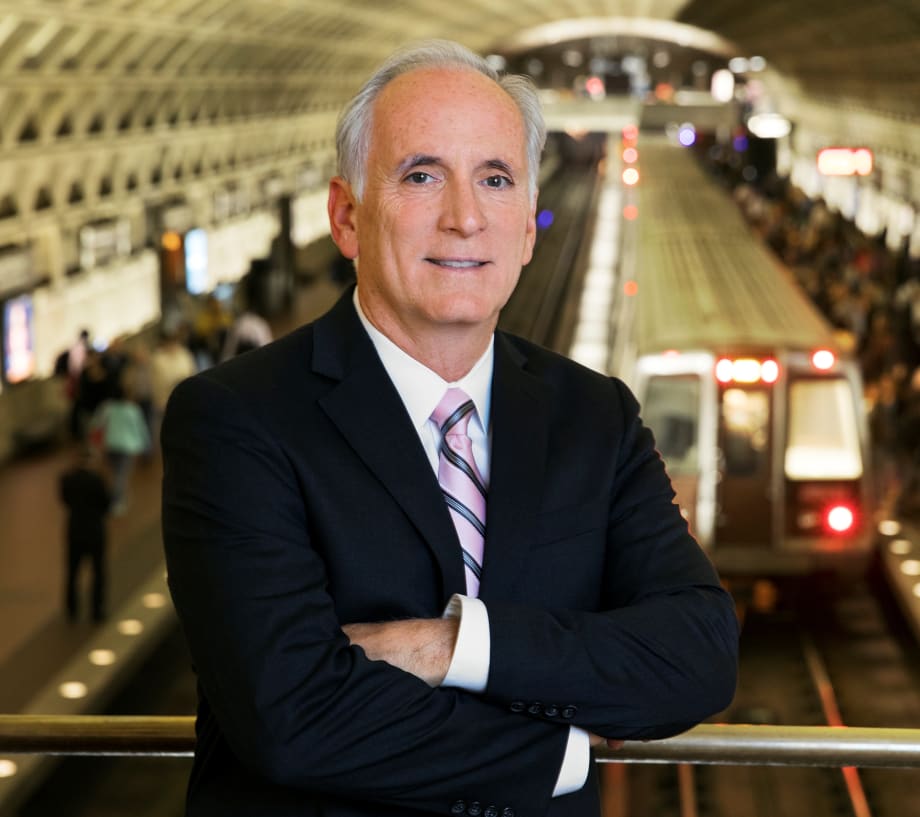
The Board of Directors will conduct a national search for Wiedefeld’s replacement and will discuss succession planning publicly at the Board’s meeting on February 10.
Photo: WMATA
2 min to read
D.C. Metro Board Chairman Paul C. Smedberg announced that GM/CEO Paul J. Wiedefeld, age 66, gave notice today that he will retire from Metro in six months.
Wiedefeld served more than six years at the helm of the regional transit agency.
“Forty plus years in transportation teaches you that there is no set mile marker for this decision, but given the seismic shifts happening in transit and the region, Metro needs a leader who can commit to several years of service and set a new course.” Wiedefeld said. “This gives the Board time to identify a successor and ensures an orderly management transition. During this period of transition, I will continue to advance several major priorities including opening the Silver Line extension, moving Metro’s headquarters to provide a safe work environment for employees, and restoring full rail and bus service for customers.”
Wiedefeld was hired in November 2015 during a particularly difficult time in the agency’s history. He is widely credited with improving rail safety and reliability through SafeTrack, securing dedicated funding, developing one of the transit industry’s largest ($2B annual) capital programs to restore the system to a state of good repair, and steering the agency through the pandemic in partnership with labor leaders.
“There is no doubt that Paul Wiedefeld was the right man at the right time to guide Metro out of very dark days,” said Smedberg. “Paul is an extraordinary executive and the Board deeply appreciates his effective leadership and, most recently, his collaboration with us as we worked together to overcome an unprecedented set of challenges during the pandemic.”
Metro’s fiscal year ends on June 30, and the next budget for fiscal year 2023 takes effect July 1. An incoming chief executive will have an opportunity to work with the Board on its months-long process to determine service levels, set fares, and adopt a budget for fiscal year 2024.
Smedberg said the Board of Directors will conduct a national search for Wiedefeld’s replacement and will discuss succession planning publicly at the Board’s meeting on February 10.
More Management

FTA Ends Direct Oversight of MBTA Safety Actions
The federal agency closed its remaining special directive to the Massachusetts Department of Public Utilities following a safety review that began in 2022.
Read More →
Report: Transit Bus Manufacturing Supports 34,100 Jobs, $5.1B in GDP
The “Buses Mean Business” report examines the transit bus manufacturing industry’s economic footprint, supply chain, and rising demand for vehicle replacements.
Read More →
LIT Marks 10-Year Milestone at Annual Summit
Hosted by the COTA from September 10 to 13, the Summit carried the theme “Celebrating 10 Years of Excellence, Leadership, and Impact,” with every part of the program honoring the people, agencies, and partners who built LIT over its first decade.
Read More →

People Movement: Dan Dipert Coaches Adds Third-Generation Leader, Keolis Names New Valley Metro VP/GM, and More
In this edition, we also cover recent appointments and announcements at the Wabtec, SilverRide, HNTB, and more, showcasing the individuals helping to shape the future of transportation.
Read More →
METRO Opens Submissions for 2026 Motorcoach Awards
Nominations are now being accepted for METRO Magazine’s Operator of the Year and Innovative Operator of the Year awards.
Read More →
New York MTA Advances Final Contract for Second Avenue Subway Expansion
Contract Four is the largest in the Second Avenue Subway Phase 2 project and includes construction of station infrastructure, tracks, and signals for the subway expansion, MTA officials said. Work on Contract Four will begin in 2027.
Read More →
Transit Agencies Highlight Safety Gains at National Summit
Leaders from 15 major transit systems shared crime-reduction results and safety initiatives while discussing the role of continued federal support.
Read More →
NITA Names New Leadership, Expands Reduced-Fare Program at First Board Meeting
The new regional transit authority appointed its first board chair and interim executive director while extending reduced fares across CTA, Metra, and Pace for eligible riders.
Read More →
Beyond the Checklist: A Structured Approach to Transit Maintenance
Reliability-Centered Maintenance helps transit agencies move beyond routine checklists to focus limited resources on the assets and failures that have the greatest impact on safety, reliability, and service.
Read More →
APTA 2026 Nominating Committee Selects Leadership Slate, Names Chair and Vice Chair Nominees
Leadership changes will help shape the association’s priorities and its representation of the transportation industry during the 2026–2027 term.
Read More →