




On Track: Caltrain, PG&E Celebrate Electrification Project Milestone
Caltrain Debuts New Electric Trains
The new train cars will serve as the centerpiece of the Caltrain Electrification Project.
September 27, 2022
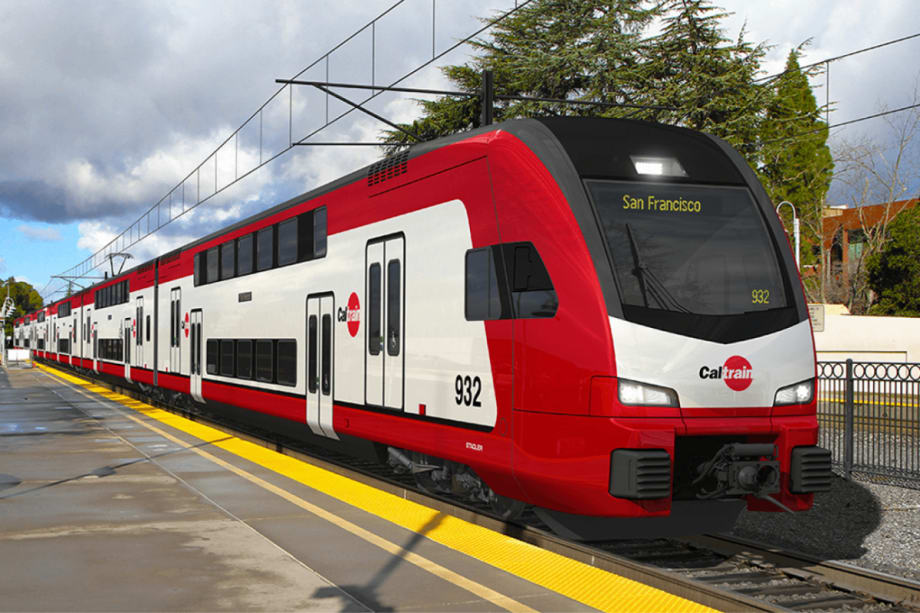
These trains will go into service in 2024, and until then will be tested to ensure they and the infrastructure they will rely upon, are in good working order.
Photo: Caltrain
2 min to read
Caltrain representatives were joined by federal, state, regional, local officials, and community members to celebrate the first public viewing of the agency’s new electric train cars. The new train cars will serve as the centerpiece of the Caltrain Electrification Project.
Caltrain said the trains will offer a better service to Caltrain riders and will generate much less noise than their diesel equivalent. The new vehicles also offer amenities, including new digital onboard displays, power outlets at each forward-facing seat, a new seat color palette selected by the public, energy-efficient lighting, coat hooks, security cameras, and expanded storage under the cantilevered seats.
“The arrival of these new electric trains marks an exciting step toward providing greener, easier transportation options for Californians,” said Speaker Nancy Pelosi. “Caltrain’s electrification initiative will mean quieter neighborhoods, cleaner air and faster commutes for working families. It has been my privilege to fight alongside the entire Bay Area delegation to secure the federal resources Caltrain needs to realize its vision of a fully electrified rail corridor from San Francisco to San Jose.”
Additionally, each trainset will have seven cars, as opposed to the current five or six. The new trains also accelerate and decelerate faster than their diesel alternatives, which must be pulled by a locomotive. This will allow Caltrain to expand its service levels beyond the current 104 trains every weekday, according to the company.
These trains will go into service in 2024, and until then will be tested to ensure they and the infrastructure they will rely upon, are in good working order.
According to the news release, the trains were built by Stadler US at their facility in Salt Lake City. After they were assembled, they were sent to a test facility in Pueblo, Colo. where they were tested at high speeds under numerous conditions as required by the Federal Railroad Administration. The trains were tested for braking, propulsion, ride quality, noise and vibration, door operation, Positive Train Control, and Electromagnetic Interference over the course of eight months.
“The electrification of Caltrain is one of the most important milestones in Caltrain’s history,” said Steve Heminger, Caltrain board chair. “Being able to step onto the new trains for the first time makes me even more excited for the start of electrified service in 2024.”
The Caltrain Electrification project will electrify the corridor from the San Francisco Station at 4th and King Streets to approximately the Tamien Station in San Jose, replacing diesel-hauled trains with electric trains, according to Caltrain.
More Rail
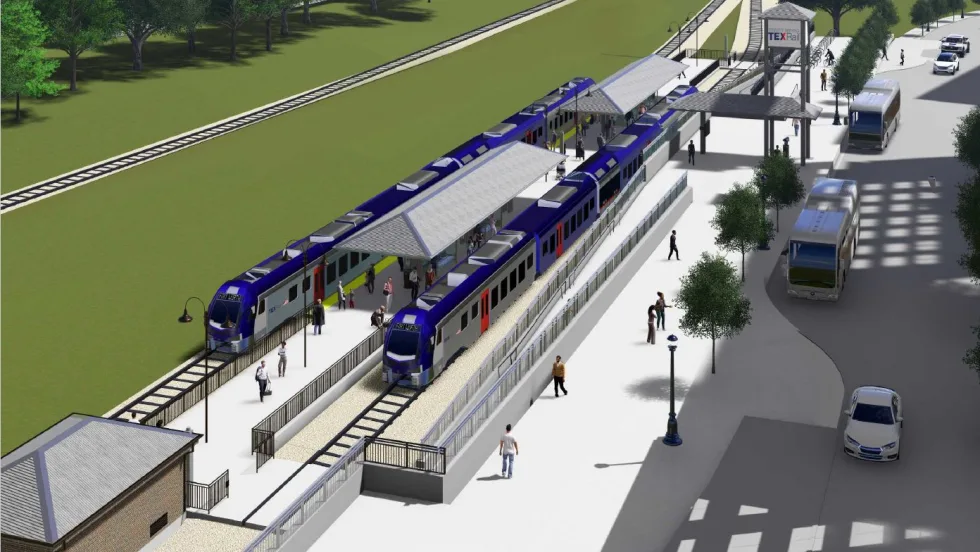
Trinity Metro Breaks Ground on $270M TEXRail Extension
The 2.1-mile extension will connect Fort Worth’s Medical District and Near Southside to downtown, surrounding communities, and Dallas-Fort Worth International Airport.
Read More →
Bringing Austin’s First Light Rail System to Life
Austin Transit Partnership CEO Greg Canally discusses the city's nearly 10-mile light rail project, its collaborative approach to project delivery, the importance of community engagement, and the milestones ahead as construction approaches in 2027.
Read More →
Metra Draft Plan Outlines Costs, Service Improvements for Regional Rail
The Systemwide Network Plan identifies infrastructure needs and potential investments to expand all-day, bidirectional rail service across the Chicago region.
Read More →
Amtrak Completes First Street Tunnel Upgrades, Restores Service
The nine-day construction project included replacing aging track infrastructure and modernizing switch systems near Washington Union Station.
Read More →
FRA Announces $2.3B for Passenger, Freight Rail Projects Nationwide
The CRISI Grant Program funding will support rail infrastructure improvements, safety upgrades, and projects aimed at improving freight and passenger rail service across 45 states and Washington, D.C.
Read More →
Caltrain’s Electrification Drives a New Era of Ridership Growth
The railroad’s shift to electric service has brought more frequent trains, stronger customer satisfaction, and increased ridership, earning it APTA’s Outstanding Public Transportation System award.
Read More →
FTA Advances $164M Broward County Commuter Rail Project
The proposed 10.5-mile commuter rail extension would connect Fort Lauderdale and Aventura, expanding passenger rail options in South Florida.
Read More →
New York MTA Launches Historic $1.9B Signal, Track Modernization Project
Funded in part by congestion pricing revenue, the project will replace nearly century-old signals along the A and C lines in Brooklyn and Queens.
Read More →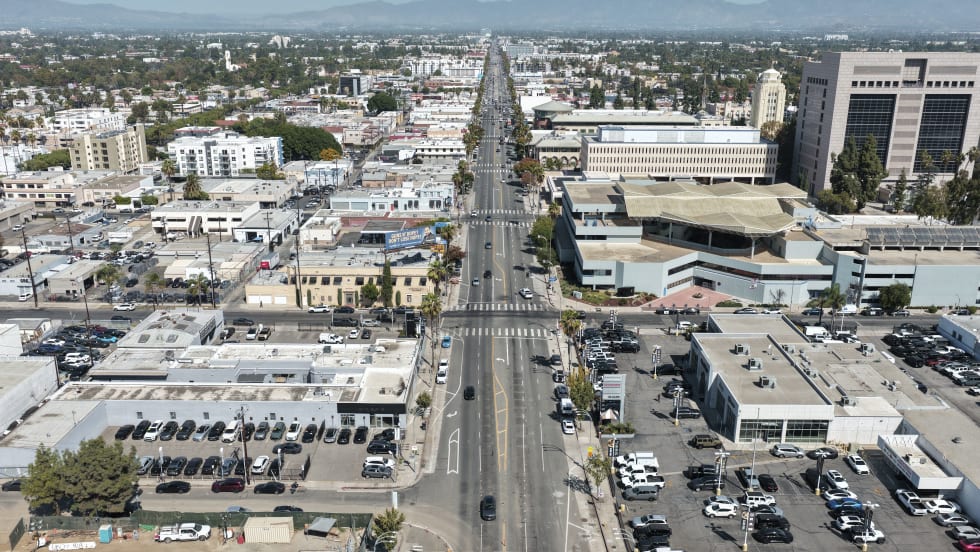
LA Metro Breaks Ground on East San Fernando Valley Light Rail Project
The 6.7-mile line will add 11 stations along Van Nuys Boulevard, expand access to jobs and regional transit connections, and support Metro’s broader efforts to improve mobility as rail ridership grows.
Read More →
CSA Group Releases Climate Resilience Standard for Transit, Passenger Rail
Developed with support from the Standards Council of Canada, CSA D700 guides assessing climate-related risks and planning adaptation measures for transit and passenger rail systems.
Read More →