



WMATA to Begin Fare Enforcement
Fare recovery is a major issue and has been mentioned as one of the top concerns of customers when talking with WMATA staff and board members.


Citations with associated fines may be issued to anyone jumping fare gates, improperly using emergency gates, or not tapping fare boxes on Metrobuses.
Photo: Larry Levine/WMATA
The Washington Metropolitan Area Transit Authority’s Metro Transit Police officers will begin issuing fare evasion citations on Tuesday, Nov. 1, following a month-long awareness and warning campaign. Citations with associated fines may be issued to anyone jumping fare gates, improperly using emergency gates, or not tapping fare boxes on Metrobuses.
Fare recovery is a major issue and has been mentioned as one of the top concerns of customers when talking with WMATA staff and board members.
Fare evasion is responsible for significant revenue losses and is part of the focus to close a shortfall of nearly $185 million in the upcoming budget. Using data from Metrobus and pre-pandemic industry averages for Metrorail, WMATA estimates revenue losses due to fare evasion totaling tens of millions of dollars in fiscal year 2022.
WMATA is working with local partners to offer resources to make public transit more equitable and affordable for those in need. A low-income fare pilot is getting underway in the District, and at the agency’s recent board meeting initial concepts about a regional means-based fare program were presented.
The agency is also exploring other methods that will prevent customers from entering rail stations without paying. This month, WMATA is expected to begin testing faregate modifications as a preventative measure. Prototypes will be installed as a pilot at a selected rail station. Some of the modifications being explored include physical deterrents on top of faregates and higher barriers.
More Management

ENC Lands MATA Contract and More in Biz Briefs
In this edition of Biz Briefs, we spotlight the latest developments shaping the future of mobility.
Read More →
From Surviving to Thriving: Building Stronger Transportation Organizations
Bus Business Consultants founder Brian Dickson shares lessons on leadership, organizational health, and creating options for long-term success in a changing transportation industry.
Read More →
Everett Transit, Community Transit Outline Consolidation Agreement
The proposed agreement calls for a 50% increase in bus service in Everett, a new microtransit zone, continued paratransit service, and the transfer of Everett Transit operations to Community Transit.
Read More →

Strada360’s Steve Lassey on Turning Transit Data Into Better Decisions
From breaking down data silos to preparing for AI, Strada360 CEO Steve Lassey discusses how transit agencies can use technology to improve operations, customer information, and long-term decision-making.
Read More →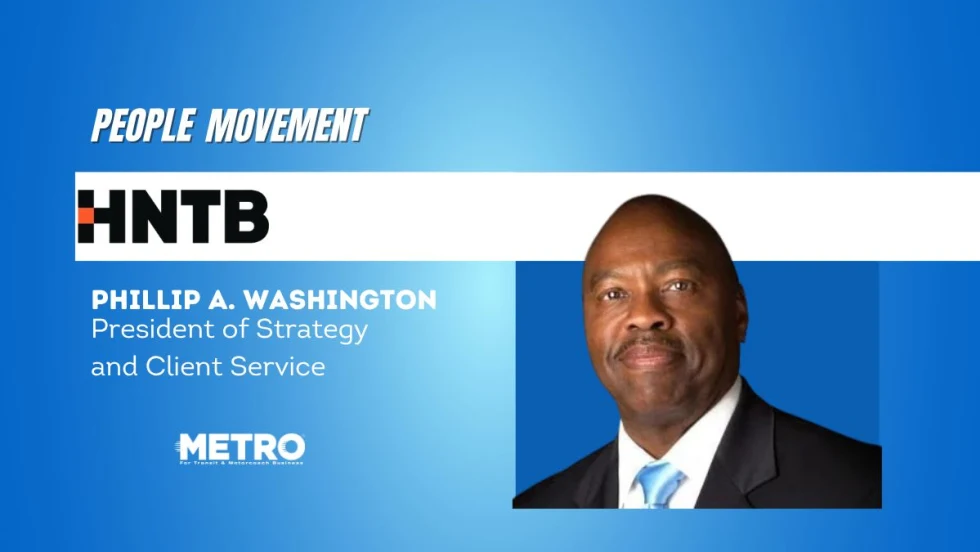
People Movement: Phil Washington Joins HNTB, Denver RTD Launches CEO Search, and More
In this edition, we also spotlight recent personnel moves at STV, the Eno Center for Transportation, and more, highlighting the people taking on new roles across the transportation industry.
Read More →
SEPTA Details Accelerate Vision for Transit System
The plan outlines investments in trolley modernization, new Metro and Regional Rail vehicles, accessible stations, and more frequent bus and rail service.
Read More →
FTA Ends Direct Oversight of MBTA Safety Actions
The federal agency closed its remaining special directive to the Massachusetts Department of Public Utilities following a safety review that began in 2022.
Read More →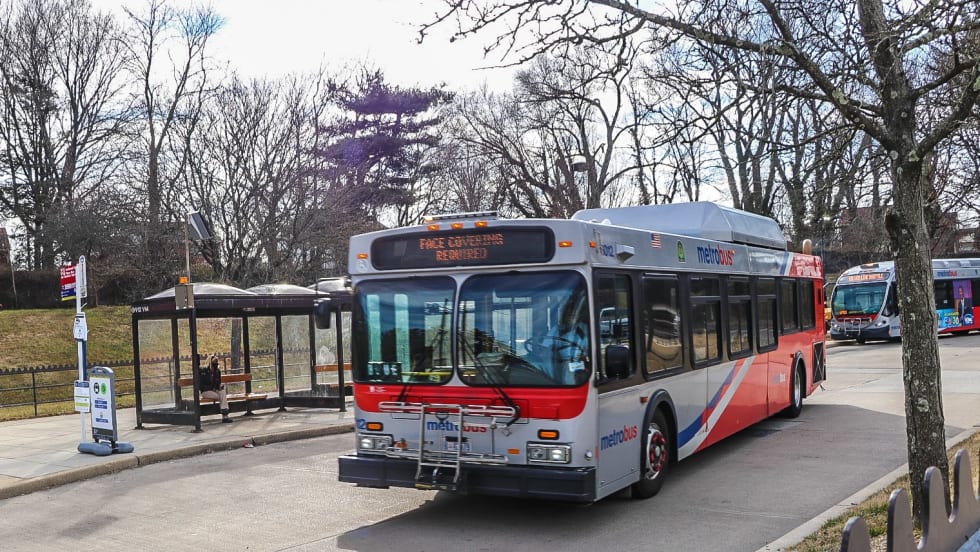
Report: Transit Bus Manufacturing Supports 34,100 Jobs, $5.1B in GDP
The “Buses Mean Business” report examines the transit bus manufacturing industry’s economic footprint, supply chain, and rising demand for vehicle replacements.
Read More →
LIT Marks 10-Year Milestone at Annual Summit
Hosted by the COTA from September 10 to 13, the Summit carried the theme “Celebrating 10 Years of Excellence, Leadership, and Impact,” with every part of the program honoring the people, agencies, and partners who built LIT over its first decade.
Read More →
People Movement: Dan Dipert Coaches Adds Third-Generation Leader, Keolis Names New Valley Metro VP/GM, and More
In this edition, we also cover recent appointments and announcements at the Wabtec, SilverRide, HNTB, and more, showcasing the individuals helping to shape the future of transportation.
Read More →