




Related: New York MTA Bridges and Tunnels Celebrates 90th Anniversary
Siemens' Krefeld Rail Vehicle Plant Celebrates Anniversary
Founded on March 16, 1898, as Waggon-Fabrik A.G. Uerdingen, the plant was taken over by Siemens in 1989.
May 5, 2023
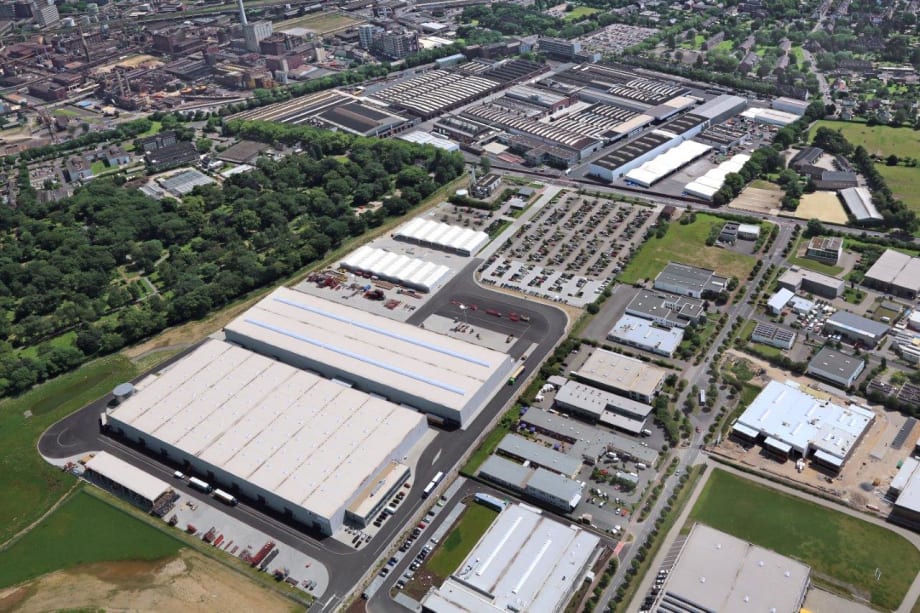
In the digital Krefeld plant, fully digitized manufacturing and logistics processes ensure maximum transparency and efficiency.
Photo: Siemens Mobility
3 min to read
The Krefeld rail vehicle plant is celebrating its 125th anniversary this year, according to Siemens Mobility’s news release.
Founded on March 16, 1898, as Waggon-Fabrik A.G. Uerdingen, the plant was taken over by Siemens in 1989.
The facility has grown steadily since then and now has more than 2,000 employees working on the design, development, and production of trains and electrical components.
“With its strong focus on innovation, quality, delivery reliability, and productivity, the Krefeld plant makes a significant contribution to the success of Siemens Mobility – and to the success of our customers,” said Michael Peter, CEO of Siemens. “On average, we build around 600 state-of-the-art, digitally mastered rail vehicles a year at the plant. This top performance is possible only thanks to our highly motivated, specially trained team and the comprehensive use of digitalization throughout production and logistics. We’re quite proud of these achievements.”
On the Krefeld plant’s production area of approximately 74,000 meters and logistics area of around 64,200 meters, Siemens manufactures Mireo, Desiro, Velaro, and ICE4 trains for regional and high-speed rail transport.
The vehicles are then delivered, primarily by rail or ship, to rail operators throughout the world and are used for national or cross-border service.
The ICE: A German success story from Krefeld
The Velaro MS, which Deutsche Bahn calls the ICE 3neo, was designed and built in record time and delivered to the customer just two-and-a-half years after the order was received.
The planning and construction of the ICE series also secure thousands of jobs at Siemens and suppliers throughout Germany.
Around 1,100 suppliers, mainly small and medium-sized companies, and their employees benefit from the strong position of the Krefeld plant. Projects like the ICE 3neo generate over 75% of their added value in Germany alone.
A strong employer in the region
Over 2,000 people are employed at the Krefeld plant, including 1,200 in manufacturing and around 300 in development.
In cooperation with the Siemens Professional Education program, around 125 trainees attend the Krefeld Training Center every year.
Trainees in mechatronics, industrial mechanics, and industrial management, and student trainees in dual training programs for Bachelor of Engineering degrees in mechanical engineering, industrial mechanics, electrical engineering, and information technology, as well as mechatronics and a BA in international management, are on the way to next-generation professional careers.
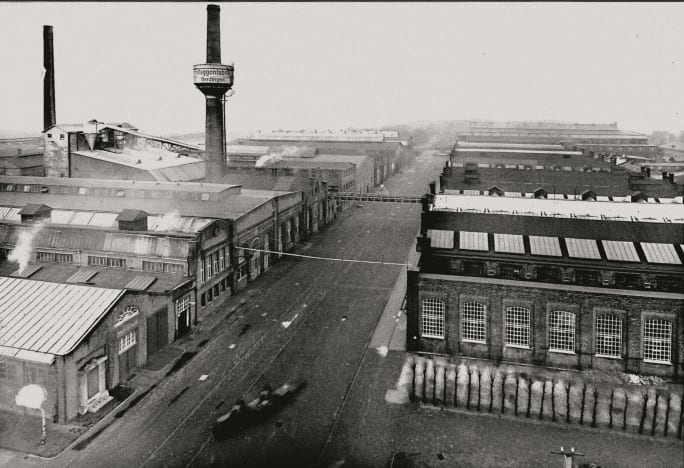
The facility has grown steadily since then and now has more than 2,000 employees working on the design, development, and production of trains and electrical components.
Photo: Siemens Mobility
Major orders with a huge impact
In 2011, a framework order from Deutsche Bahn for up to 300 ICE 4 trains bestowed Siemens with the largest train order it had ever received.
The Rhine-Ruhr-Express project in 2015 was one of the largest orders won in Germany to date for Siemens – and for the Krefeld plant – in the local mass transit sector. Krefeld delivered 82 Desiro HC (High Capacity) trains for the order.
In 2022, this success was again surpassed, this time by Egypt. The country commissioned Siemens to develop and build a 2,000-kilometer high-speed rail network across Egypt.
For Krefeld, this means an order volume of 41 Velaro trains and 94 Desiro HC regional trains. It is the largest order in the company’s history.
Hydrogen and battery drives
The company’s trains powered by hydrogen or battery drives – the Mireo Plus H and the Mireo Plus B – are also being built at the Krefeld plant.
Both of these train types combine innovation and sustainability and operate on routes where electrification with overhead lines is neither possible nor economical.
Factory digitalization is a key theme
In the digital Krefeld plant, fully digitized manufacturing and logistics processes ensure maximum transparency and efficiency.
With the help of continually collected data, operating processes are constantly monitored and improved.
This way, the company can simultaneously work on 14 different customer projects based on five different platforms per year.
In addition to using digital twins for the vehicles and for virtual welding training, Siemens is introducing a robotic welding system in Krefeld this year to manufacture innovative aluminum body shells and components at a continuous pace.
More Rail

New York MTA Advances Final Contract for Second Avenue Subway Expansion
Contract Four is the largest in the Second Avenue Subway Phase 2 project and includes construction of station infrastructure, tracks, and signals for the subway expansion, MTA officials said. Work on Contract Four will begin in 2027.
Read More →
San Diego MTS Breaks Monthly Trolley Ridership Record
Agency officials said July’s ridership indicates MTS’s continued recovery from the pandemic.
Read More →
Report Examines NJ TRANSIT Reliability, Funding Challenges
The Garden State Initiative analysis examines the roles of Amtrak infrastructure, fleet management, and agency operations while recommending a more performance-based approach to improving reliability.
Read More →
Stadler, CapMetro Sign Long-Term Rail Fleet Support Agreement
Beginning in 2027, Stadler will provide on-site technical expertise, spare parts support, training, and obsolescence management to help extend the reliability and longevity of CapMetro’s GTW fleet.
Read More →
Biz Briefs: Alstom Lands Canadian Contract, LYT to Supply California TSP, and More
In METRO's latest installment, we take a look at recent news from Complete Coach Works, Beep, FlixBus, and more partnerships making headlines across the transportation sector.
Read More →
CATS Gold Line Marks 5 Years of Service, 2.8M Passenger Trips
With a six-mile expansion planned, the Charlotte streetcar is positioned to connect more neighborhoods and major transit hubs across the region.
Read More →
Why Simulating Pedestrian Movement Has Become Essential for Modern Rail Stations
Pedestrian microsimulation is helping rail planners identify bottlenecks, test station designs, and prepare complex transit hubs for growing passenger volumes.
Read More →
Amtrak Begins Major Construction at New York’s Sunnyside Yard
The new maintenance facility will support Amtrak’s Airo trainsets while improving maintenance efficiency and turnaround times in New York.
Read More →
Chicago Leaders Unveil Plans for O’Hare Airport Express Train
The privately developed project would offer a 15-minute trip between downtown and O’Hare’s Terminal 2, with trains operating every 15 minutes on a dedicated track. The service would use battery-electric trains and three existing freight rail rights-of-way.
Read More →
OCTA Maps Out 30-Year Strategy to Protect Coastal Rail Corridor
The draft feasibility report identifies strategies to protect the coastal rail line for decades as the agency continues near-term stabilization and sand placement efforts.
Read More →