



Sound Transit To Switch to Flat Fare for Light Rail System
The new fare, $3 per trip for adults, takes effect in Fall 2024, coinciding with the opening of the Lynnwood Link Extension.

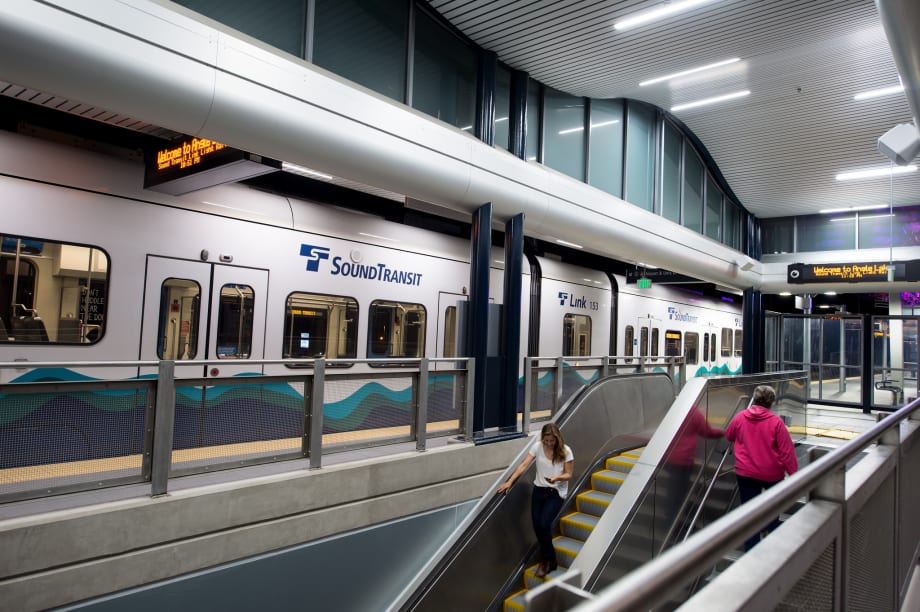
Currently, Sound Transit charges between $2.25 and $3.50 for adults traveling one way based on distance. Sound Transit last raised Link fares in 2015.
Photo: Sound Transit
Seattle’s Sound Transit approved a new flat fare structure for its Link light rail, according to the agency’s press release.
The new fare, $3 per trip for adults, takes effect in Fall 2024, coinciding with the opening of the Lynnwood Link Extension.
Currently, Sound Transit charges between $2.25 and $3.50 for adults traveling one way based on distance. Sound Transit last raised Link fares in 2015. The agency said the new fare structure will not affect low-income adult (ORCA LIFT) fares or senior/disabled fares.
Inside Sound Transit’s Decision
Sound Transit officials said extensive community engagement found the public almost evenly split on whether to continue with distance-based fares or move to flat fares.
In making the change, board members emphasized increased simplicity and the potential for fare capping in the future, as well as equity concerns.
“With easy-to-understand pricing, and ORCA programs to match every income, there’s never been a better time to get on board Link,” said King County Executive and Sound Transit Board Chair Dow Constantine. “Link is expanding to serve more and more communities over the next few years, and this simple pricing will make getting where you need to go even easier.”
What the Move Means
The implementation of a flat fare will eliminate the need for Link passengers to tap off at the end of their trip. Currently, if passengers fail to tap off, they pay the highest possible fare from their originating station.
Forty-six percent (46%) of Link passengers pay the adult fare, with the remainder using employer-funded passes or reduced fare products, according to the agency.
More Rail

New York MTA Advances Final Contract for Second Avenue Subway Expansion
Contract Four is the largest in the Second Avenue Subway Phase 2 project and includes construction of station infrastructure, tracks, and signals for the subway expansion, MTA officials said. Work on Contract Four will begin in 2027.
Read More →
San Diego MTS Breaks Monthly Trolley Ridership Record
Agency officials said July’s ridership indicates MTS’s continued recovery from the pandemic.
Read More →
Report Examines NJ TRANSIT Reliability, Funding Challenges
The Garden State Initiative analysis examines the roles of Amtrak infrastructure, fleet management, and agency operations while recommending a more performance-based approach to improving reliability.
Read More →
Stadler, CapMetro Sign Long-Term Rail Fleet Support Agreement
Beginning in 2027, Stadler will provide on-site technical expertise, spare parts support, training, and obsolescence management to help extend the reliability and longevity of CapMetro’s GTW fleet.
Read More →
Biz Briefs: Alstom Lands Canadian Contract, LYT to Supply California TSP, and More
In METRO's latest installment, we take a look at recent news from Complete Coach Works, Beep, FlixBus, and more partnerships making headlines across the transportation sector.
Read More →
CATS Gold Line Marks 5 Years of Service, 2.8M Passenger Trips
With a six-mile expansion planned, the Charlotte streetcar is positioned to connect more neighborhoods and major transit hubs across the region.
Read More →
Why Simulating Pedestrian Movement Has Become Essential for Modern Rail Stations
Pedestrian microsimulation is helping rail planners identify bottlenecks, test station designs, and prepare complex transit hubs for growing passenger volumes.
Read More →
Amtrak Begins Major Construction at New York’s Sunnyside Yard
The new maintenance facility will support Amtrak’s Airo trainsets while improving maintenance efficiency and turnaround times in New York.
Read More →
Chicago Leaders Unveil Plans for O’Hare Airport Express Train
The privately developed project would offer a 15-minute trip between downtown and O’Hare’s Terminal 2, with trains operating every 15 minutes on a dedicated track. The service would use battery-electric trains and three existing freight rail rights-of-way.
Read More →
OCTA Maps Out 30-Year Strategy to Protect Coastal Rail Corridor
The draft feasibility report identifies strategies to protect the coastal rail line for decades as the agency continues near-term stabilization and sand placement efforts.
Read More →