



UMA President/CEO Scott Michael on the Motorcoach Industry’s Road Ahead
In this conversation with METRO Executive Editor Alex Roman from a recent episode of METROspectives, Michael discusses the state of the industry’s recovery, emerging business models reshaping motorcoach operations, and UMA’s advocacy priorities in Washington, D.C.

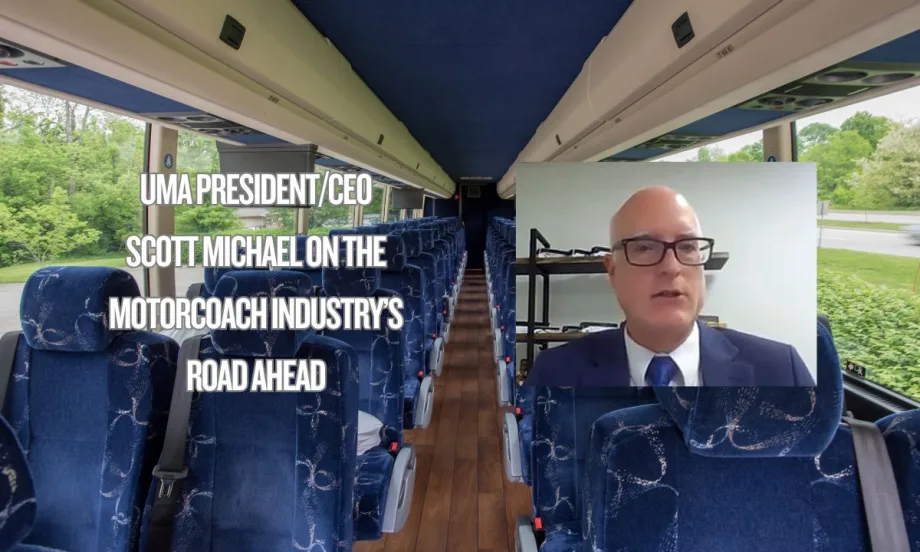
UMA President/CEO recently joined METROspectives to discuss a host of topics.
Photo: METRO
- Scott Michael discusses the current recovery status of the motorcoach industry and its trajectory in recent times.
- Emerging business models are transforming motorcoach operations and contributing to industry evolution.
- UMA's advocacy efforts focus on representing industry interests and priorities within Washington, D.C.
*Summarized by AI
After years of uncertainty, the motorcoach industry is regaining its footing, rebuilding from pandemic losses, adapting to new business realities, and navigating an evolving regulatory and economic landscape.
At the center of that effort is the United Motorcoach Association (UMA), which continues to serve as a voice for operators of all sizes while helping guide the industry into its next chapter.
For Scott Michael, who took the helm as UMA President/CEO just as the industry emerged from one of its most challenging periods in history, the mission has been clear: strengthen advocacy, rebuild the community, and support both established operators and new entrants, driving growth and innovation.
From helping small, family-owned fleets regain stability to addressing major issues such as rising insurance costs, workforce shortages, and pending federal legislation, Michael and the UMA team have worked to reestablish momentum across the sector.
In this conversation with METRO Executive Editor Alex Roman from a recent episode of METROspectives, Michael discussed the state of the industry’s recovery, emerging business models reshaping motorcoach operations, and UMA’s advocacy priorities in Washington, D.C. He also shares how the association is evolving to meet the needs of both longtime members and a new generation of operators entering the field.
Finding Stability After the Pandemic
METRO: The industry’s been through an incredible period of change since COVID. How would you describe where things stand now?
It was brutal; there is no other way to put it. We lost about half the industry during the pandemic. Before the COVID-19 pandemic, there were roughly 3,000 federally licensed operators. Today, we’re around 1,500, and growth has been slow.
We are seeing what feels like a plateau, maybe a new normal, and rebuilding won’t happen overnight. UMA’s focus now is on helping small operators and new entrants get their footing. These are often one- or two-coach companies that bring fresh ideas and energy. Supporting them doesn’t take away business; it expands the pie for everyone.
Among the operators who survived, many seem stronger and more disciplined. What’s changed in how they run their businesses?
The companies that made it through were intelligent and adaptable. Many diversified their customer base, made hard financial decisions, and learned to pivot quickly.
Post-pandemic, that mindset continues to serve them well. Some have chosen to stay smaller and more focused, serving their best customers, setting the correct rates, and not being afraid to ‘fire’ clients who aren’t a good fit. It’s made for healthier, more sustainable businesses overall.
Growth, Consolidation, and New Entrants
We’re seeing more acquisitions, new private equity players, and even limo operators entering the motorcoach market. How do you know that trend is evolving?
It’s definitely a mix. This industry has deep family roots — many companies still carry the founder’s name on the side of the coach, and that passion isn’t going away. But we’re also seeing new ownership models emerge.
Some long-time operators are selling to larger groups or private equity firms because the next generation is not interested in taking over the business. Others are expanding by acquisition, adding a few vehicles, or taking over routes from companies that have exited the market.
On the other hand, we’re seeing black car and shuttle operators add motorcoaches to their fleets and doing it very successfully. They bring a strong service culture, polished branding, and professional presentation that customers appreciate. It’s adding new energy to the motorcoach sector.
You joined UMA during a period of transition. How has the association evolved over the last couple of years?
The UMA was in solid shape, thanks to outstanding leadership through the pandemic, but like everyone else, we had to rebuild. That meant restarting key programs — our Safety Management Seminar, Sales Summit, and growing Expo back to full strength.
We have been intentional about restoring staff, managing member dollars carefully, and focusing on our three core pillars:
- Advocacy – Ensuring our industry’s voice is heard in Washington.
- Networking – Through Expo, town halls, and regional events.
- Education & Information – Delivering value daily through our UMA NewsFlash and training programs.
A Stronger Voice in Washington, Industry Challenges
Many say the industry’s visibility in Washington has grown since the pandemic. How has that translated into results?
The pandemic compelled us to share our story, and policymakers took notice. They learned how essential motorcoaches are for military transport, disaster response, school trips, and connecting rural communities that lack rail or air service.
We have maintained that momentum through our annual Fly-In, working in collaboration with state associations, the American Bus Association (ABA), and our government relations partners. The relationships built then continue to open doors today, and we are making sure lawmakers understand what’s at stake as the next highway bill approaches.
Our legislative priorities include protecting the charter service rule, maintaining reasonable insurance minimums, ensuring tolling parity with public transit, and opposing congestion pricing inequities in places like New York City.
What are operators struggling with most right now?
The number one issue we are hearing about is insurance. Premiums are skyrocketing, and it’s especially tough for new entrants who don’t have an established track record. Replacement costs, medical expenses, and litigation pressures are all contributing to increased rates.
Driver shortages remain, although less severe than before. The bigger workforce challenge now is the shortage of mechanics, especially diesel technicians. UMA is helping through our Maintenance Interchange and advocating for workforce development programs.
A big win last year was legislation allowing 529 college funds to be used for CDL and technical training. That will help attract new talent to these skilled trades.
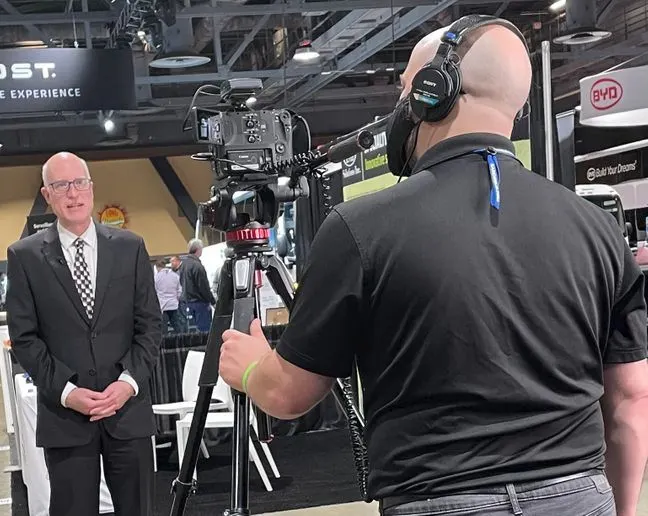
For Scott Michael, who took the helm as UMA President/CEO just as the industry emerged from one of its most challenging periods in history, the mission has been clear: strengthen advocacy, rebuild the community, and support operators.
Photo: UMA
Looking Ahead: Growth and Renewal
What’s your outlook for the motorcoach industry moving forward?
Our goal is simple: grow the industry back smarter, stronger, and more diverse than before. That means supporting small operators, encouraging innovation, and expanding partnerships with states and agencies on scheduled service routes.
At UMA, we are staying member-driven. Our elected board ensures we stay close to what operators need, from advocacy to education to business tools. And we’re going to continue to look for ways to work best not only with our current members but also with new entrants just joining the industry.
This article, generated using OpenAI, was edited for accuracy and style and based on an episode of METROspectives
Quick Answers
The motorcoach industry is in a phase of recovery, with industry leaders like Scott Michael discussing progress and strategies for sustainable growth.
*Summarized by AI
More Motorcoach

METRO Opens Submissions for 2026 Motorcoach Awards
Nominations are now being accepted for METRO Magazine’s Operator of the Year and Innovative Operator of the Year awards.
Read More →
Biz Briefs: Alstom Lands Canadian Contract, LYT to Supply California TSP, and More
In METRO's latest installment, we take a look at recent news from Complete Coach Works, Beep, FlixBus, and more partnerships making headlines across the transportation sector.
Read More →
Biz Briefs: RIPTA Unveils New Frontrunners, Clevland RTA Adds New Siemens, and More
In METRO's latest installment, we take a look at recent news from Siemens, Prevost, Dodge, and more partnerships making headlines across the transportation sector.
Read More →
People Movement: Holly Arnold Joins Transdev and More
In this edition, we also cover recent appointments and announcements at Pace, CamTran, MCI, and more, showcasing the individuals helping to shape the future of transportation.
Read More →
ABA Report: Motorcoach Travel Generates $161.6B Economic Impact
The 2025 analysis finds motorcoach travel supported nearly 900,000 jobs and generated $28 billion in federal, state, and local taxes.
Read More →
CharterUP’s Armir Harris on Technology, AI, and the Future of Group Mobility
In a recent episode of METROspectives, CharterUP Founder/CEO Armir Harris discussed the company’s evolution from an online charter bus marketplace into a technology platform supporting public- and private-sector mobility and much more.
Read More →
People Movement: ABC Names John Walsh as Chief Commercial Officer
In this edition, METRO also covers recent appointments and announcements at the DART, STV, and more, showcasing the individuals helping to shape the future of transportation.
Read More →
From Surviving to Thriving: Building Stronger Transportation Organizations
Bus Business Consultants founder Brian Dickson shares lessons on leadership, organizational health, and creating options for long-term success in a changing transportation industry.
Read More →
Biz Briefs: Luminator Marks Milestone and More
From manufacturers and suppliers to transit agencies and motorcoach operators, these updates offer a snapshot of the projects, partnerships and business moves driving the industry forward.
Read More →
ABAF Study Reveals Growing Insurance Crisis for Motorcoach Operators
Preliminary findings show 98% of operators faced premium increases over the past five years, while shrinking insurer participation is putting added pressure on businesses and customers.
Read More →