



2013 Top 100 Transit Bus Fleets: Innovate with Tech, Green Vehicles
Alternatively-propelled vehicles total 16,434 and make up 25% of the fleet totals reported for 2013, with natural gas leading the way.
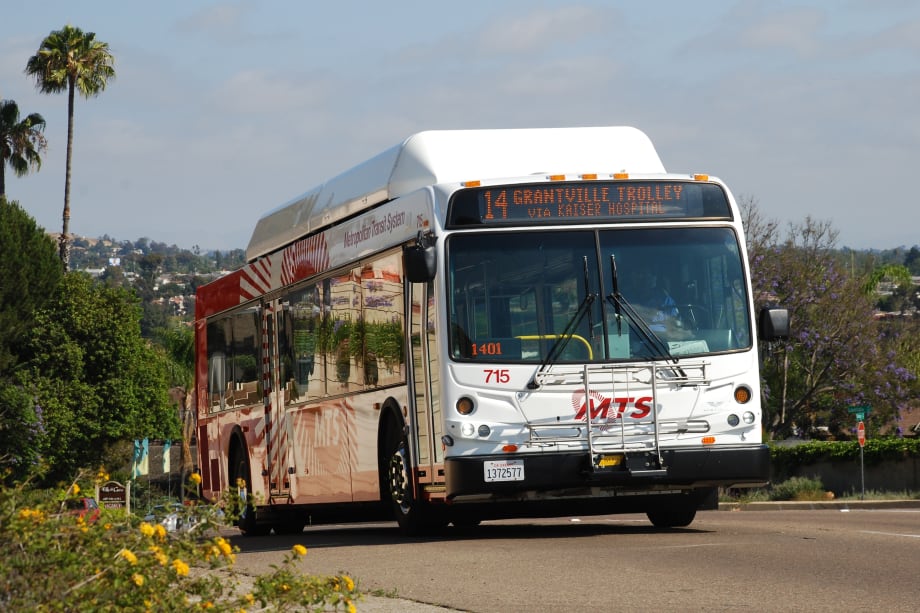
With 58% of transit agencies reporting they are having issues with funding for operations, this year’s 65,461 total vehicles is up slightly — 124 vehicles — compared to 2012, according to respondents to METRO’s Top 100 Transit Bus Fleets survey.
New York City Transit holds the top spot with a total 4,426 vehicles, while New Jersey Transit (2,416), the Los Angeles County Metropolitan Transportation Authority (2,370), the Toronto Transit Commission (1,882) and the Chicago Transit Authority (1,870) round out the top five.
Making changes, adding tech
As funding issues persist for transit agencies, many look to implement new initiatives to enhance their services. Albuquerque’s ABQ Ride (No. 86) created a real-time bus location app for iPhone and will soon release a companion for Android. It also completed a four-year, American Recovery and Reinvestment Act-funded project to install 414 bus shelters.
In Tennessee, the Memphis Area Transit Authority (No. 90) installed an automatic vehicle locator system and new security cameras on all revenue vehicles, vehicle health monitoring devices on all buses and bicycle racks, and automatic passenger counters and automatic voice annunciators on all fixed-route buses. The agency also installed signage showing real-time passenger information at all transit centers and trolley stops.
Meanwhile, to help make up for funding issues, many of this year’s respondents continue to redesign routes to enhance optimization and work with state and local officials to develop long-term tax revenue solutions as well as make the unpopular decisions to raise fares, cut service and downsize staff.
The numbers
A closer look at the numbers reveals 47,239 buses are 35 feet or longer, making up 72% of the total vehicles reported, with 12,774, or 19.5%, of vehicles 35 feet and under. Fifty-seven percent, or 37, 539, of the total vehicles are low-floor applications and 10% are used for demand response. This year’s Top 10 makes up 34% of the Top 100 Bus Fleet totals, remaining steady compared to 2012. Overall, this year’s respondents report that they intend to order 5,933 vehicles in the next year, up 1% from last year’s number.
Meanwhile, alternatively-propelled vehicles total 16,434 and make up 25% of the fleet totals reported for 2013, with natural gas leading the way. Additionally, three out of five respondents say they are interested in exploring natural gas. Hybrid-electric vehicles made a big leap in 2013, going from just over 4,500 vehicles in 2012 to 6,824 this year, or 41.5% of the total alternatively-propelled vehicles reported. Less than 1% of fleets are comprised of hydrogen or propane-fueled vehicles.
Digging a bit deeper, 16 transit agencies in this year’s Top 100 are from Canada, with seven cracking the top 20. Meanwhile, California (15), New York (nine) and Texas (six) make up the three states with the most representation.
With budget and staff cuts across the nation, METRO would especially like to thank all of the transit agencies for participating this year. If you know a fleet that belongs on this list or have suggestions on how to improve our future lists, please let us know.
To view the Top 100, click here.
More Bus

New York MTA Plans Largest Bus Fleet Upgrade in More Than a Decade
The agency is seeking manufacturers for 650 new CNG buses to replace aging vehicles, improve reliability, and advance its broader fleet modernization strategy.
Read More →
Building a Flexible Path to Transit Electrification
John Hroncich discusses BAE Systems’ modular and scalable approach, lessons learned from decades of real-world operations, and how agencies can identify electrification strategies that fit their fleets.
Read More →
Bus Tech Talk: Keeping Transit Technicians Ahead of the Technology Curve
LA Metro’s Obed Mejia discusses technician training, evolving maintenance technology, fleet replacement, and strategies for getting the most out of today’s transit fleets.
Read More →
Biz Briefs: RIPTA Unveils New Frontrunners, Clevland RTA Adds New Siemens, and More
In METRO's latest installment, we take a look at recent news from Siemens, Prevost, Dodge, and more partnerships making headlines across the transportation sector.
Read More →
People Movement: Holly Arnold Joins Transdev and More
In this edition, we also cover recent appointments and announcements at Pace, CamTran, MCI, and more, showcasing the individuals helping to shape the future of transportation.
Read More →
The High Cost of Transit Buses: Industry Leaders Look to Procurement Reform
Transit leaders and policymakers examine how standardized bus designs, streamlined procurement, and predictable funding could help agencies stretch budgets and deliver better service.
Read More →
The Business Voice Behind Public Transportation
As chair of APTA’s Business Members Board of Governors, Ray Melleady explains how more than 850 business members are partnering with transit agencies to advance funding, innovation, and industry-wide collaboration.
Read More →
From Surviving to Thriving: Building Stronger Transportation Organizations
Bus Business Consultants founder Brian Dickson shares lessons on leadership, organizational health, and creating options for long-term success in a changing transportation industry.
Read More →
Finding the ‘Happy Medium’: Optimizing Maintenance Without Sacrificing Reliability
The key to maintenance optimization isn’t doing less work—it’s doing the right work at the right time on the right assets.
Read More →
LA Metro, City of West Hollywood, and Partners Advance Smarter Bus Lane Enforcement
The award-winning partnership combines AI-powered detection with human oversight to improve bus reliability, accessibility, and enforcement efficiency.
Read More →