



A new spin on defensive driving
Now that pilots can pack handguns, should transit bus and motorcoach drivers be given the means to defend themselves in the event of a physical attack by an irate passenger, road-raged motorist or, although unlikely, terrorist?
Now that airline pilots are allowed to carry guns in the cockpit, are passengers any safer in these less-friendly skies? No, but the pilots are. If terrorists sneak weapons aboard an airliner and start executing the passengers, are these gun-toting pilots going to come out and save them? Not likely. Nor would we want them to. The whole point of adding reinforced doors to the cockpit is to keep the terrorists out and the pilots in. If the pilots leave the relative safety of the cockpit, even if they’re armed to the teeth, they would be exposing the entire aircraft to possible takeover. To be fair, their guns would be useful if the terrorists gained entry to the cockpit. But the thought of stray bullets flying through a pressurized cabin at 35,000 feet is less than comforting.
Are bus operators prepared?
Here’s another question: Now that pilots can pack handguns, should transit bus and motorcoach drivers be given the means to defend themselves in the event of a physical attack by an irate passenger, road-raged motorist or, although unlikely, terrorist? Bus drivers have been the targets of rare but calamitous attacks that have led to driver injuries and deaths as well as crashes that have claimed the lives of passengers. I posed that question to several people in the industry and got some interesting replies. The shortest: “No!” Apparently, the answer is so clear cut that it doesn’t require any explanation. Another nay-sayer, John Plante, senior manager of system safety at the Chicago Transit Authority, provided a rationale for his stance: “None of us want to see any of our employees injured, but self-defense training would open a Pandora’s box,” he says, explaining that a driver’s use of force, backed by company-sponsored training, could create a “minefield of litigation.” In Toronto, which has other problems on its mind these days, the transit agency does not provide operators with self-defense training. However, as Judy Shulga, staff sergeant of system security at the Toronto Transit Commission, explains, “All front-line positions receive job-specific training with a greater emphasis on observation, assessment, plan of action and action.” Some transit agencies take a more pragmatic approach, believing that some of their bus operators are going to be threatened or assaulted and providing training for that eventuality. Pierce Transit in Tacoma, Wash., trains bus drivers to protect themselves while in a seated position. Rod Baker, assistant security manager at Pierce, says the training is provided by certified self-defense instructors from the Pierce County Sheriff’s Department. Renee Haider of the National Transit Institute agrees with this policy. “When threatened, operators, like anyone, are going to defend themselves, whether or not you teach them effective techniques,” she says. Providing drivers with self-defense techniques from a seated position and guidance on the use of self defense “help them make informed judgments and help them protect themselves appropriately,” she adds.
A new view on fighting back?
It’s unfortunate, but we live in a world that is no longer as safe as it was two years ago or two months ago. Major league baseball umpires are trained to ignore raucous insults from fans, but who would have thought they would be physically assaulted on the field? And what about their exposure in the parking lot after the game? Would they be any more vulnerable if they received some self-defense training? Like umpires, public and private bus drivers are occasionally the targets of crazed individuals. They can better protect themselves with instruction on how and when to use self-defense techniques. Let me know what you think.
More Management

The Business Voice Behind Public Transportation
As chair of APTA’s Business Members Board of Governors, Ray Melleady explains how more than 850 business members are partnering with transit agencies to advance funding, innovation, and industry-wide collaboration.
Read More →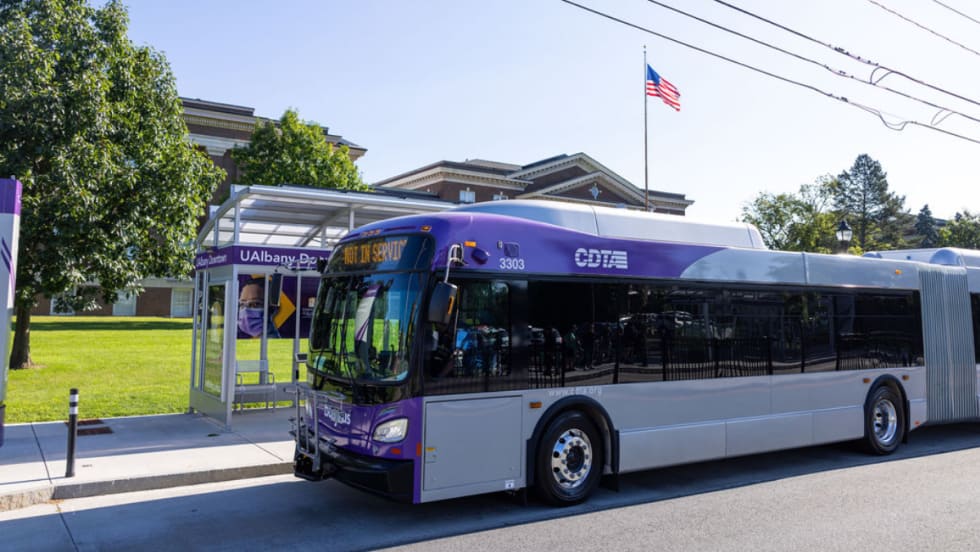
New York’s CDTA Service Rebalancing Boosts Productivity, On-Time Performance
Despite a slight dip in ridership, the agency’s FY2026 results show its service rebalancing strategy is helping the agency carry more riders per service hour while improving reliability.
Read More →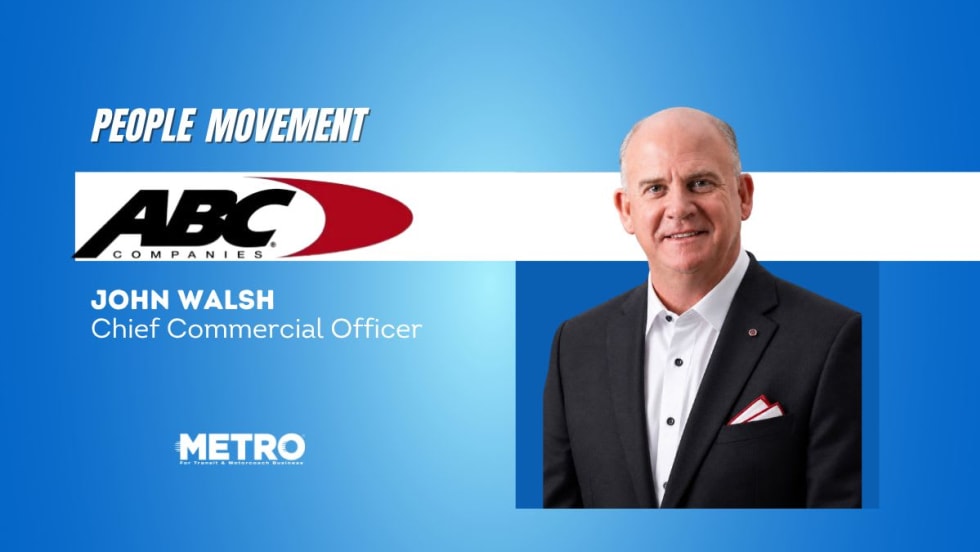
People Movement: ABC Names John Walsh as Chief Commercial Officer
In this edition, METRO also covers recent appointments and announcements at the DART, STV, and more, showcasing the individuals helping to shape the future of transportation.
Read More →
From Surviving to Thriving: Building Stronger Transportation Organizations
Bus Business Consultants founder Brian Dickson shares lessons on leadership, organizational health, and creating options for long-term success in a changing transportation industry.
Read More →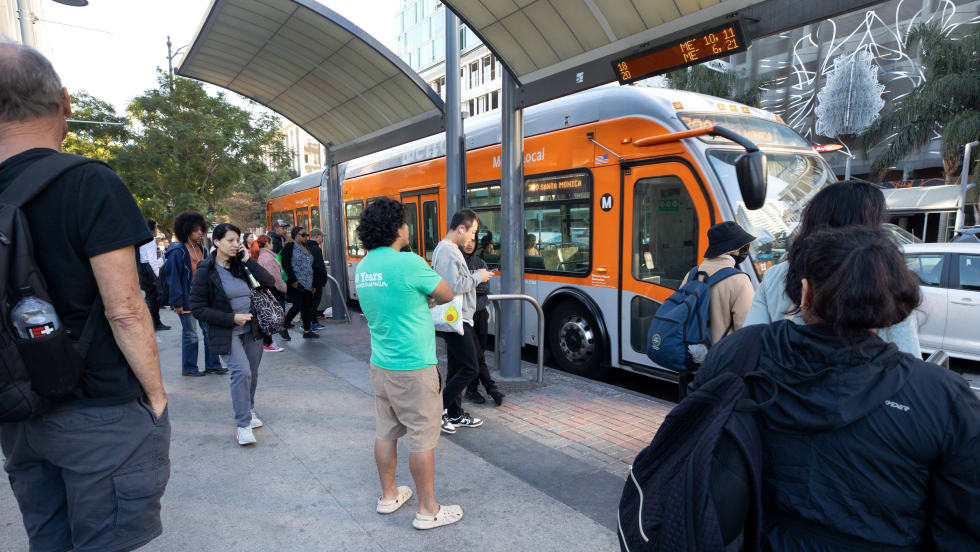
LA Metro Ridership Continues Growth as Rail Gains Accelerate
New rail connections and major events help drive continued ridership gains, with Metro recording its eighth consecutive month of year-over-year rail growth.
Read More →
TransDASH Summit Focuses on Measuring What Matters in Transit
Transit agencies unveil a national performance platform designed to benchmark customer experience, safety, community value, and other outcomes.
Read More →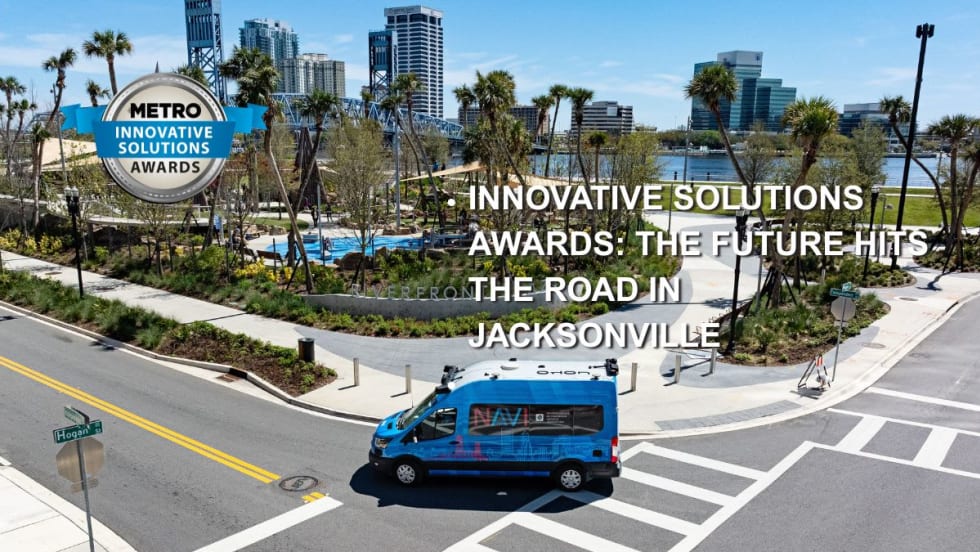
Jacksonville’s NAVI Project Charts a New Course for Autonomous Public Transportation
Through its NAVI program, JTA is showing how autonomous vehicles, intelligent infrastructure, and coordinated operations can work together to deliver everyday public transportation.
Read More →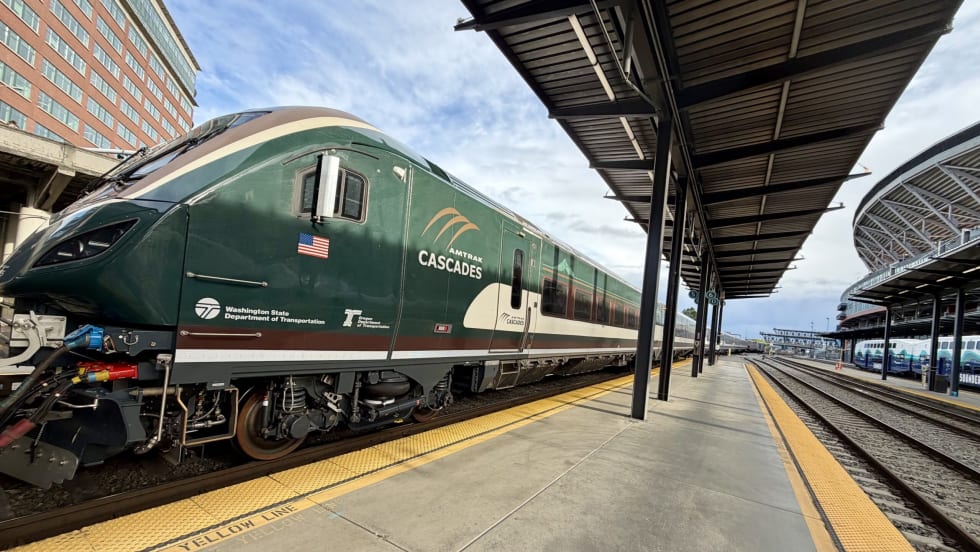
FRA Announces $5.3B in Rail Investments, Including $2B for Amtrak
Funding will support grade-crossing improvements, infrastructure upgrades, and new Amtrak equipment in 23 states.
Read More →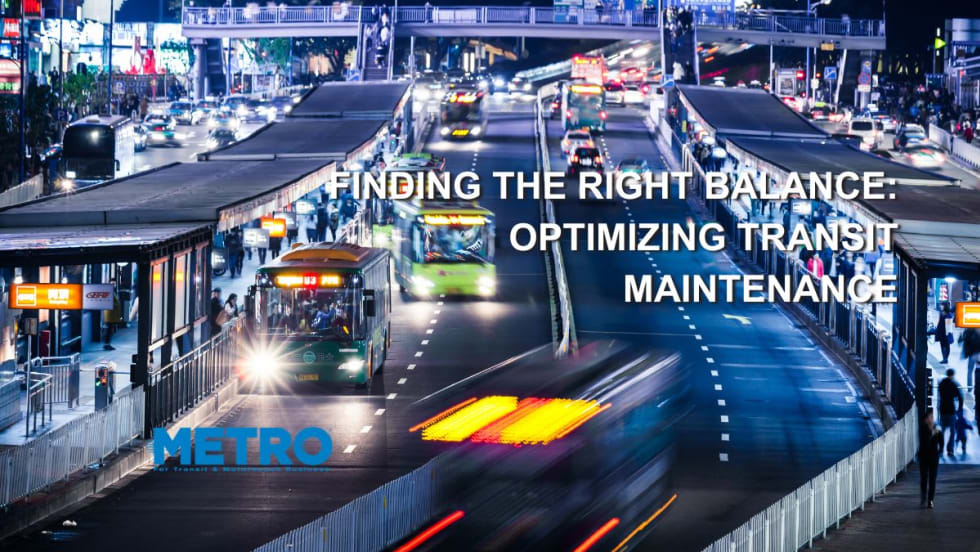
Finding the ‘Happy Medium’: Optimizing Maintenance Without Sacrificing Reliability
The key to maintenance optimization isn’t doing less work—it’s doing the right work at the right time on the right assets.
Read More →
People Movement: MARTA Drops Interim Tag on GM/CEO Hunt and More
In this edition, METRO covers recent appointments and announcements at the FMCSA, HDR, SilverRide, and more, showcasing the individuals helping to shape the future of transportation.
Read More →