



British rail feeling the pinch
The largest rail operator in the United Kingdom announced plans to cut costs by consolidating the management of three of its franchises, prompting complaints from the rail management union and passenger representatives.

The largest rail operator in the United Kingdom announced plans to cut costs by consolidating the management of three of its franchises, prompting complaints from the rail management union and passenger representatives. National Express, which operates nine of Britain’s 25 rail franchises, said the plan would enable it to reduce its corps of 450 managers by up to 100. Critics of the plan say the centralized management strategy could lead to disruption of service for passengers who already have endured several months of turmoil since the Hatfield derailment last October. “I can’t for the life of me see how it’s going to improve the lot for customers,” Gerry Doherty, a spokesman for the TSSA transport management union, told the Financial Times. National Express said it did not anticipate any disruption of service and denied that the plan was linked to sagging passenger revenue in the wake of the Hatfield crash. Under the proposal, head offices of its three London commuter services — Silverlink, c2c and WAGN (West Anglia and Great Northern) — would be consolidated. The offices would be centralized at Silverlink’s headquarters in Old Street, London. National Express is not alone in its bid to bolster its bottom line. Three other rail companies — Virgin Trains, Great North Eastern Railway and Midland Main Line — announced fare hikes to take effect in May. Others reportedly are also considering consolidation. Meanwhile, Railtrack, which owns and operates the U.K.’s rail infrastructure, is considering plans to split its core business of operating and maintaining the rail network from the part responsible for making large improvements. The split is being considered in an attempt to stop the slide in its share price and reduce increasing government interference. “We are taking a complete look at the structure of the whole company,” Railtrack chief executive Steve Marshall told the Financial Times. Railtrack, which serves both passenger and freight customers, would change its role to become a holding company overseeing their businesses. The company now owns and operates the network while separate companies run the trains. Since the Hatfield crash, the company’s share price slid from more than $15 to about $7. The company was privatized in 1996 at about $6 a share. It was recently announced that the $2.4 billion phase one of the Channel Tunnel rail link might be six months behind schedule. The link between the Channel Tunnel and London’s King’s Cross-St. Pancras Station is Railtrack’s flagship project. The company was recently hit with a series of government measures that are seen by investors as reducing the power of executives. National speed restrictions were also imposed across the network after the aforementioned crash. The disruption experienced by the Hatfield crash is expected to continue into next year due to maintenance backlogs, widespread flooding and damage from the crash.
More Rail
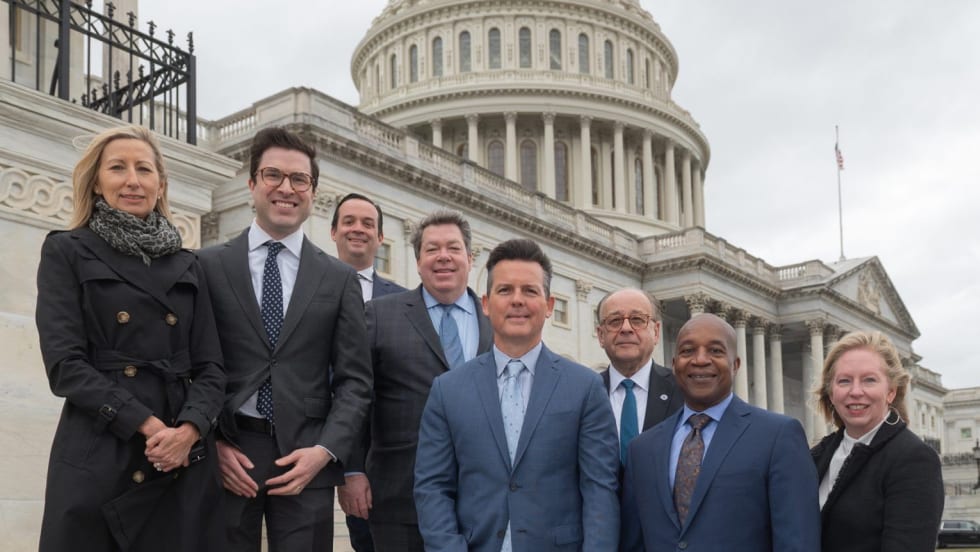
The Business Voice Behind Public Transportation
As chair of APTA’s Business Members Board of Governors, Ray Melleady explains how more than 850 business members are partnering with transit agencies to advance funding, innovation, and industry-wide collaboration.
Read More →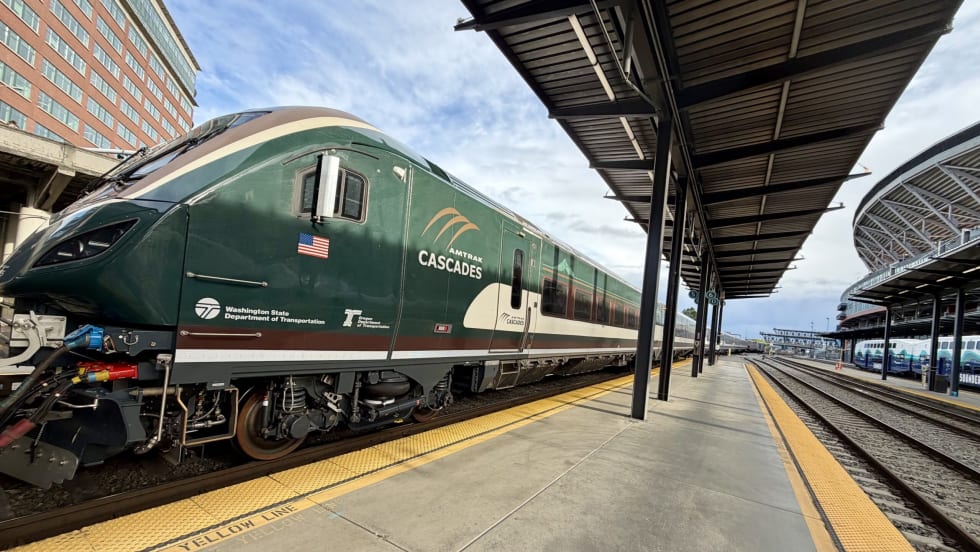
FRA Announces $5.3B in Rail Investments, Including $2B for Amtrak
Funding will support grade-crossing improvements, infrastructure upgrades, and new Amtrak equipment in 23 states.
Read More →
Finding the ‘Happy Medium’: Optimizing Maintenance Without Sacrificing Reliability
The key to maintenance optimization isn’t doing less work—it’s doing the right work at the right time on the right assets.
Read More →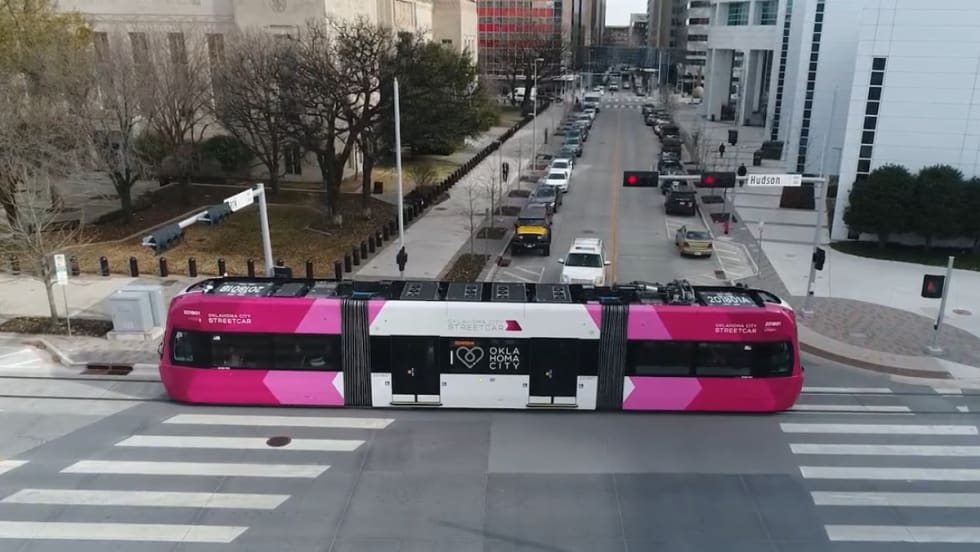
OKC Streetcar Makes Zero-Fare Service Permanent
Ridership increased an average of 71% compared with the same period a year earlier during the fare-free pilot.
Read More →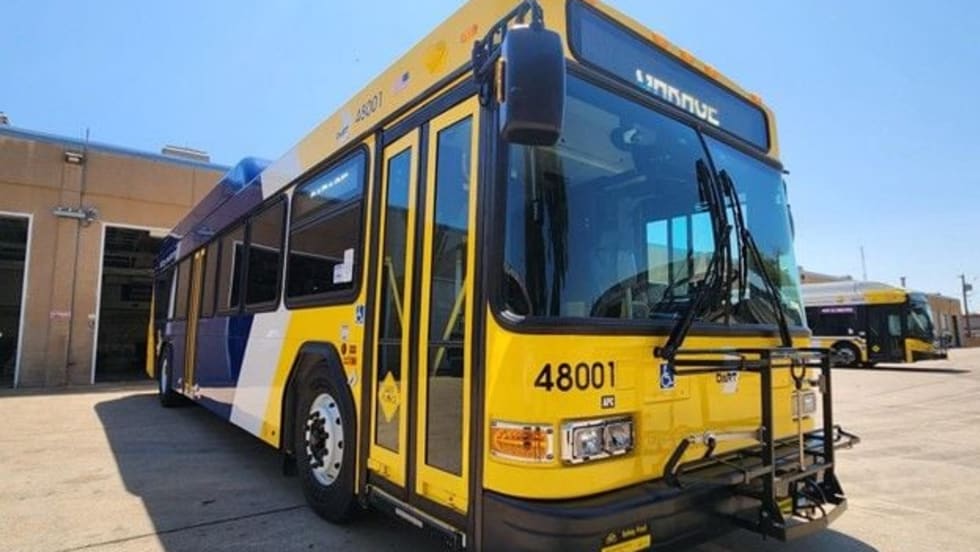
DART Customer Satisfaction Reaches Six-Year High
Overall satisfaction rose to 74.9%, while the agency’s Net Promoter Score reached a record 33.7.
Read More →
How DART's GoPass Is Redefining Regional Mobility
Serving 14 transit agencies, GoPass simplifies multimodal travel by allowing riders to plan, pay for, and manage an entire trip through one app.
Read More →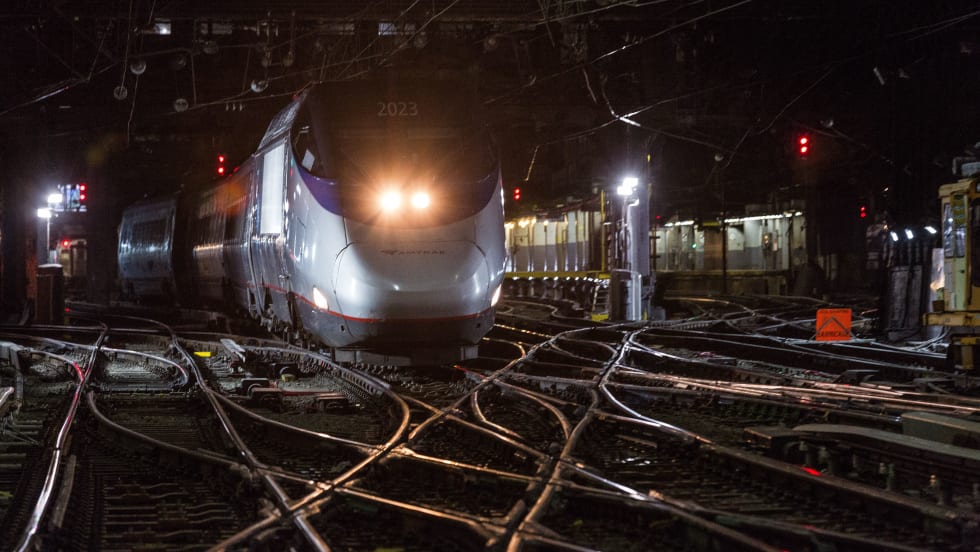
Amtrak Board Advances Plan to Restructure Organization, Seeks Public Input
The proposal, developed by Amtrak management and approved by the board for further consideration, is intended to modernize the organization's structure while improving accountability, operational efficiency, and customer service.
Read More →
Biz Briefs: STV teams with Amtrak, Motorcoach Operators Boost Fleet and Land Contracts, and More
From manufacturers and suppliers to transit agencies and motorcoach operators, these updates offer a snapshot of the projects, partnerships and business moves driving the industry forward.
Read More →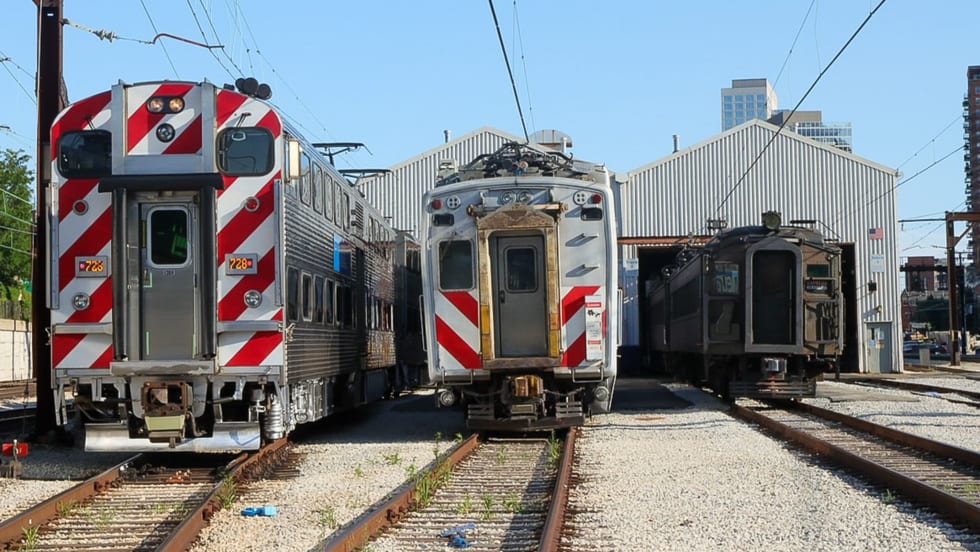
Metra Celebrates 100 Years of Electric Rail, Looks to the Future
The event was also a celebration of recent reforms to public transportation in the Chicago area, changes that could be as transformative in the future as the major civic achievement a century ago, said officials.
Read More →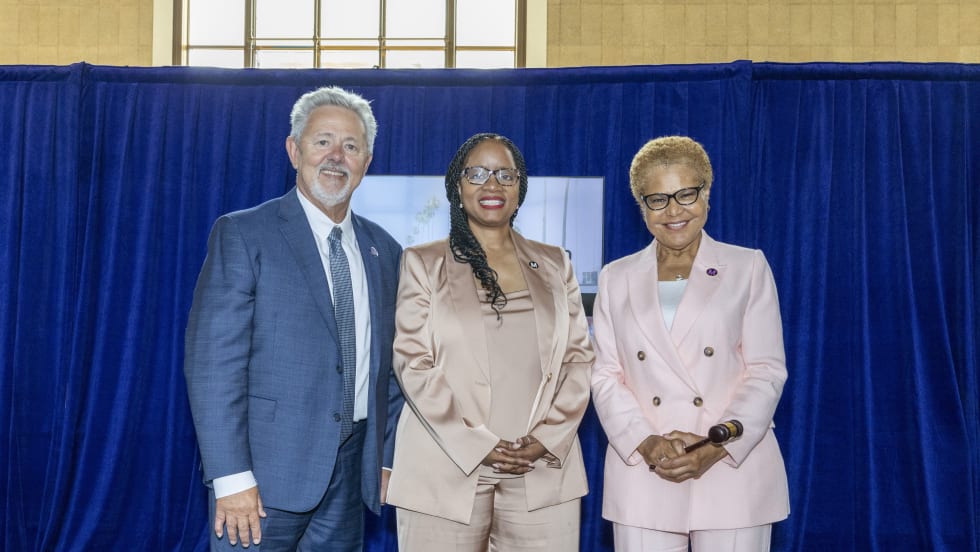
LA Metro Marks Banner Year, Sets Ambitious Goals for New Fiscal Year
Incoming LA Metro Board Chair and Los Angeles Mayor Karen Bass joined outgoing Board Chair Fernando Dutra and LA Metro CEO Stephanie Wiggins to review accomplishments from fiscal year 2026, which included the opening of new rail extensions, advancement of major transit projects, expanded safety programs, and new rider amenities.
Read More →