

Building Better Breeze: MARTA’s Fare System Rollout in Photos


 MENU
MENU SEARCH
The farebox is no longer just a payment machine. Learn how agencies are using new tech and pricing strategies to rethink how riders pay for transit.
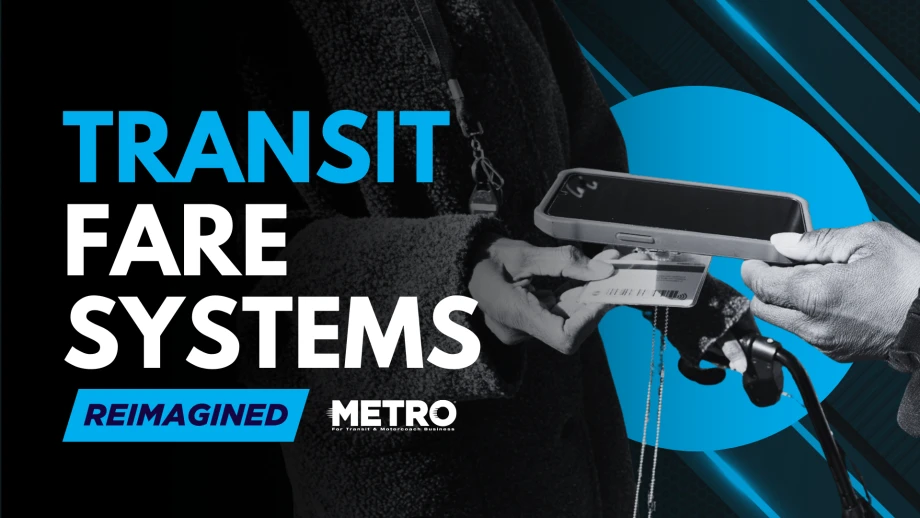
Several agencies, including Cincinnati Metro, the Metropolitan Atlanta Rapid Transit Authority (MARTA), Milwaukee County Transit System (MCTS), and Dallas Area Rapid Transit (DART), are implementing new fare approaches.
Milwaukee County Transit System/METRO
*Summarized by AI
The transit farebox has undergone a major transformation in recent years. Agencies across the country have introduced new fare policies, from fare capping to open-loop payments, while deploying modern fare technology platforms designed to improve revenue visibility and make paying for transit easier for riders.
Why does this matter? While these changes help replace old equipment, they also represent a strategic shift toward data-driven operations and fare structures that can adapt to evolving ridership patterns and regional mobility needs.
Besides playing a bit of catch-up with international transit peers, U.S. transit agencies are rethinking fare collection for several reasons:
Several agencies, including Cincinnati Metro, the Metropolitan Atlanta Rapid Transit Authority (MARTA), Milwaukee County Transit System (MCTS), and Dallas Area Rapid Transit (DART), are implementing new fare approaches alongside partnerships with technology providers to modernize fare collection operations.
While the motivations vary by agency, most fare modernization efforts fall into a few common categories: encouraging digital payments, modernizing aging infrastructure, integrating services such as paratransit, and simplifying fare structures for riders. Increasingly, fare policy and fare technology have become inseparable components of modern transit strategy.
In July 2025, Cincinnati Metro in Ohio introduced a new fare strategy centered around fare capping through its Tap&Save program, along with a RiderRewards loyalty initiative designed to encourage repeat ridership and digital payments.
The programs launched alongside a modest fare increase of approximately 10%, raising the base local fare from $2.00 to $2.20. For the agency, the policy adjustment was part of a longer-term financial strategy to help offset inflation and support service reliability.
However, the changes were designed to do more than adjust pricing.
“Beyond financial, our goals with this approach were to encourage more app-based fare payments, which allow for increased service efficiency while boarding over paying with cash,” said Brandy Jones, chief communications and marketing officer at Cincinnati Metro.
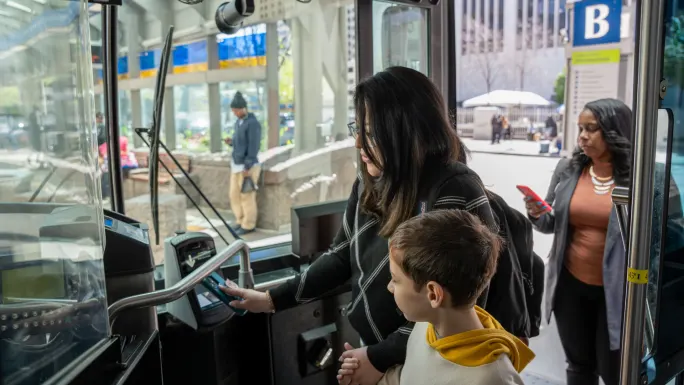
The Tap&Save program automatically caps rider spending at the price of a daily or monthly pass, ensuring that riders never pay more than the maximum fare.
Cincinnati Metro
Cincinnati Metro partnered with the Transit app platform to support the rollout of its digital payment strategy. The app helped guide riders through the transition with notifications, banners, and user interface updates that explained the new fare capping feature.
The Tap&Save program automatically caps rider spending at the price of a daily or monthly pass, ensuring that riders never pay more than the maximum fare.
At the same time, the RiderRewards program provides incentives for frequent riders. Customers can earn points by taking trips, completing surveys, or participating in engagement campaigns. Those points can be redeemed for free rides or local gift cards, though most participants choose to reinvest them into additional transit trips.
Early adoption data suggests the program is influencing rider behavior.
Since launching RiderRewards in April 2025, more than 8,300 new users have registered for the program, many of whom previously paid cash fares or were new to the system entirely. Riders who previously paid through the Transit app have also significantly increased their usage, averaging nearly two additional trips per week since the rollout.
For transit agencies, encouraging riders to move toward account-based and mobile payments offers several operational advantages. Digital fares reduce boarding time, eliminate the need for exact cash payments, and provide agencies with detailed ridership data that can inform service planning and marketing efforts.
While Cincinnati Metro focused on digital engagement and fare incentives, MARTA in Atlanta is undertaking a broader infrastructure overhaul.
The agency is replacing its legacy Breeze fare collection system with a new platform, Better Breeze, developed in partnership with INIT Innovations in Transportation. The modernization effort includes installing more than 1,800 fare validators, 500 upgraded fare gates, and a new network of ADA-compliant ticket vending machines across the system.
The transition supports several strategic objectives for the agency, including improving security and preparing the system for large-scale international events.
“Fully replacing the Breeze fare collection system directly supports MARTA’s strategic objectives of improving riders’ sense of security, improving reliability, modernizing the customer experience, positioning the agency for major global events such as the 2026 FIFA World Cup, and ultimately driving overall ridership,” the agency told METRO.
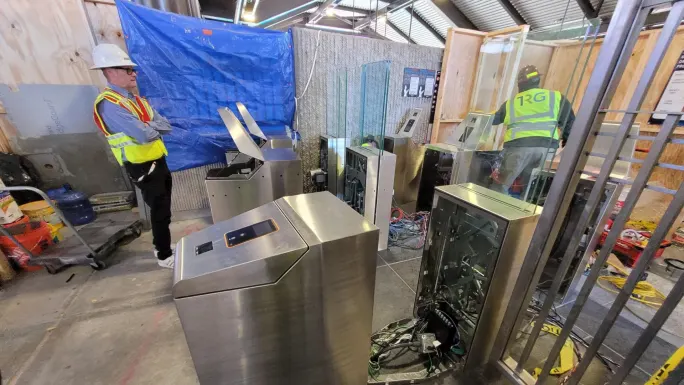
New faregates and Breeze machines are being installed at Lindbergh Station. The new system will go live on March 28, 2026.
Metropolitan Atlanta Rapid Transit Authority
MARTA’s legacy fare gates had reached the end of their useful life and were becoming vulnerable to fare evasion. The new system introduces modern sliding fare gates designed to improve revenue protection and enhance the station environment.
The updated system also introduces open payment capabilities, allowing riders to tap contactless bank cards, smartphones, or mobile wallets at validators and fare gates. For riders, the experience becomes simpler and more familiar. Instead of navigating unfamiliar fare machines, occasional riders and visitors can tap a payment method they already use every day.
Operationally, the benefits are equally significant. Open payment reduces reliance on ticket vending machines and lowers cash-handling requirements.
INIT’s centralized back-office fare management system also provides MARTA with improved operational oversight. Transactions are processed in near real time, giving the agency clearer visibility into ridership patterns, payment activity, and revenue flows.
This shift from a hardware-dependent system to a centralized, data-driven platform enables MARTA to respond more quickly to operational issues while strengthening financial transparency. It also provides the flexibility to introduce future fare policy changes, like fare capping or loyalty programs, without requiring new hardware installations.
Fare modernization is not limited to fixed-route bus and rail services. Now, agencies are integrating paratransit operations into the same digital fare systems used by their broader transit networks.
In Milwaukee, MCTS recently integrated its Transit Plus paratransit program into the region’s WisGo fare system, which operates on the Umo Mobility Platform. Both efficiency and equity considerations drove the decision.
“Our mission is ‘Pursuing excellence through investment, development and innovation,’” said Fran Musci, director of MCTS Transit Plus. “This update lets Transit Plus riders use the same modern fare collection system that fixed route riders have enjoyed since 2023.”
Previously, Transit Plus riders relied on paper ticket books purchased in advance. The shift to WisGo allows riders to load fare digitally online, by phone, or through a network of retail partners. The transition is expected to produce measurable operational savings as well.
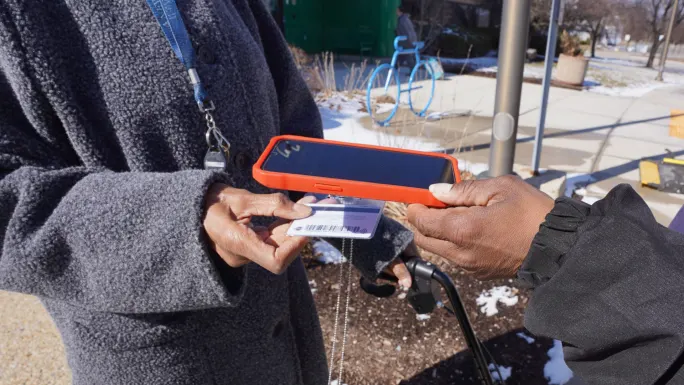
The shift to WisGo allows riders to load fare digitally online, by phone, or through a network of retail partners.
Milwaukee County Transit System
MCTS anticipates saving approximately $10,000 per year by eliminating the printing and mailing of ticket books. The new system also reduces administrative workload by removing the need for staff to sell, collect, and reconcile paper tickets.
For riders, the benefit is greater flexibility. Instead of purchasing tickets in bundles, passengers can add smaller fare increments as needed.
The integration also expands regional connectivity. Riders can now use their WisGo cards across multiple partner transit systems throughout Wisconsin, including services in Appleton, Beloit, Oshkosh, Racine, and Waukesha.
While some agencies are focusing primarily on technology modernization, others are updating fare policies themselves to make transit pricing easier to understand and more equitable for riders.
Dallas Area Rapid Transit implemented a new fare structure beginning March 1 to simplify pricing and support the long-term sustainability of service across the region.
The most significant change is a 25% reduction in the Regional Day Pass price to $9. Reduced fare day passes for seniors, riders with disabilities, Medicare cardholders, and qualifying students will be adjusted to $4.50 to maintain the standard 50% discount structure.
Regional passes allow riders to travel seamlessly across DART, Trinity Metro, and the Denton County Transportation Authority under a single fare. The agency also discontinued its Senior Retail Annual Pass, encouraging riders to switch to a Reduced Fare 31-Day Pass.
DART’s fare policy changes come as the agency continues to expand services across North Texas. The system currently operates bus, light rail, paratransit, GoLink microtransit, and commuter rail services across more than 700 square miles, serving over 220,000 riders daily.
Fare adjustments like these demonstrate how pricing strategy can support both ridership goals and long-term financial stability. By standardizing fare structures and aligning discounts more consistently, agencies can make transit easier for riders to understand while ensuring that fare policies remain sustainable.
Transit agencies across the country are learning that modern fare systems can do far more than process payments. The way riders pay for transit is becoming just as important as the service itself.
Modern fare platforms are giving transit agencies the flexibility to rethink how they price and deliver service. With account-based technology, agencies can introduce programs like fare capping or loyalty incentives without replacing equipment or issuing new fare cards.
At the same time, digital fare platforms provide richer insights into how riders actually use the system. That data helps agencies make smarter decisions about service planning, marketing, and long-term investments.
Operationally, the benefits are equally meaningful. Less cash handling, faster boarding times, and fewer aging fare machines to maintain can free up staff time and reduce operational friction across the network.
As agencies continue modernizing their systems, fare policy and fare technology are evolving together. Take note. The farebox is becoming a strategic platform for improving operations, protecting revenue, and shaping riders' interactions with transit systems.
Loading data...

Management
Behind the seamless trips were months of planning, multimodal partnerships, and lessons agencies and operators can carry into the next mega-event.
Management
Once viewed primarily as transit operators, agencies are now leveraging land, partnerships, and long-term planning to boost ridership, expand housing, and strengthen communities.

Management
An Urban Institute evaluation found that a fare-free transit program increased ridership, reduced transportation barriers, and improved access to jobs, healthcare, and other essential services.
Security and Safety
Transit agencies are redefining safety with care-based response models. See how leaders are improving trust and operations.

Management
Advances in data and analytics are giving transit agencies new opportunities to refine maintenance practices, improve efficiency and make more informed decisions about asset performance.
Technology
The farebox is no longer just a payment machine. Learn how agencies are using new tech and pricing strategies to rethink how riders pay for transit.

Management
How stress, unresolved trauma, and chronic burnout can impact operator performance—and the steps agencies can take to improve safety and well-being.

Management
Mentorship programs at VTA and King County Metro are transforming the experience of new bus operators — boosting retention, improving safety, and strengthening connections among frontline workers, unions, and management.
Motorcoach
With more operators nearing retirement and investor interest on the rise, now is the time to plan your exit strategy. Here’s how to prepare your business for a successful sale that avoids leaving money on the table.