



Fed encouragement of Hatch Act loopholes worsens worrisome trend
At a time when there is a growing recognition that our infrastructure is in dire need of repair or rebuilding, we need to hire the best to do the work.
Would you want the bridge you use in your commute every day to work to be designed by the best in the business, or the cheapest? That's the question answered by the Hatch Act - one of the most important laws governing the selection of engineer-
ing, architectural and several other types of professional service firms. Passed in the 1970s, it bars federal agencies, or those receiving federal assistance from selecting these firms on the basis of price. In other words, it mandates a qualifications-based selection (QBS) process.
This is why consultants reacted so negatively last year when the FTA proposed to exempt the process by which it selects program management oversight contractors from Hatch Act rules. These firms are the primary means by which the FTA ensures that New Starts and Small Starts projects meet all of the program's regulations and objectives. Firms hired to provide program management oversight are to determine whether a project is on time, within budget, in conformance with design criteria, constructed to approved plans and specifications, and otherwise efficiently and effectively implemented. Instead, the FTA said it would select these firms by a combination of factors, including price, not just QBS.
Already undoing QBS laws
One of the major concerns by the architectural/engineering community about this move was that it seemed to condone a worrisome trend already under way in a growing number of states and cities. Partly as a budgetary measure and partly as a way to open up opportunities for smaller companies, some lower levels of government are beginning to do away with, or weaken, their Hatch Act-type rules. The result is lower quality design and construction in our infrastructure.
One disastrous example of what can happen with poor design is the collapse of the I-35 West bridge in Minneapolis two summers ago, in 2007. Less than two decades after it was opened, the state highway department began logging deficiencies in its strength and recommended corrective repairs. These warnings were ignored, or at least put on the back burner.
The FTA insists that it has no intention of either hiring unqualified oversight firms or in undoing the Hatch Act. Yet, that is precisely what the change implies: that price is just as - or even possibly more - important than qualifications. Just as importantly, though, what would stop the agency from doing the same thing for other professional service contracts if it is willing to change the contracting rules for the companies that oversee these services?
At a time when there is a growing recognition that our infrastructure is in dire need of repair or rebuilding, we need to hire the best to do the work. Hopefully, it will not take another tragedy like the I-35 West bridge disaster for Hatch-type rules to be restored.
More Bus

Finding the ‘Happy Medium’: Optimizing Maintenance Without Sacrificing Reliability
The key to maintenance optimization isn’t doing less work—it’s doing the right work at the right time on the right assets.
Read More →
LA Metro, City of West Hollywood, and Partners Advance Smarter Bus Lane Enforcement
The award-winning partnership combines AI-powered detection with human oversight to improve bus reliability, accessibility, and enforcement efficiency.
Read More →
PSTA Modernizes Workforce Management with Digital Bidding System
The award-winning Workforce Transit Modernization project replaced paper bidding with a transparent digital platform, cutting administrative effort while improving access for operators.
Read More →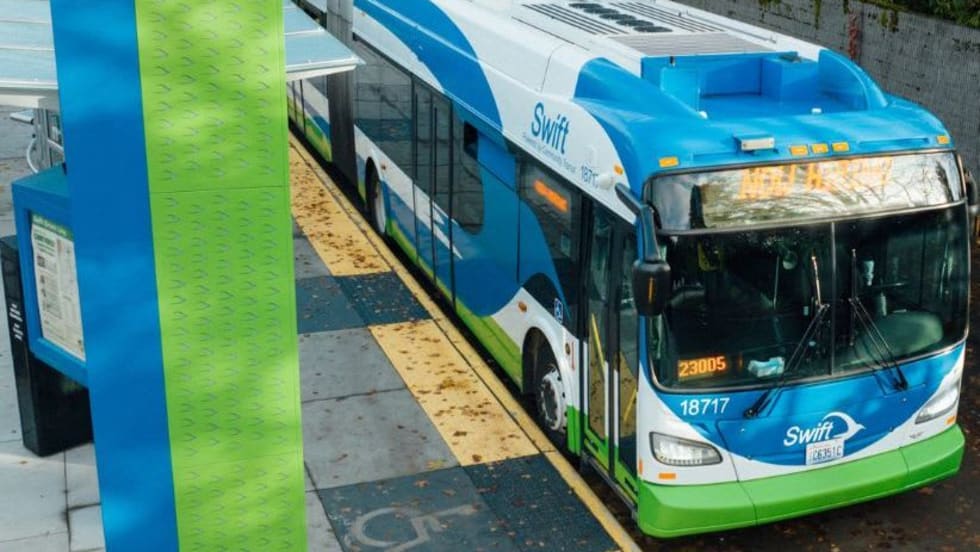
Washington's Community Transit Sets Six-Year Roadmap for Growth, Expansion
Approved TDP targets more bus service, new mobility options, Swift BRT expansion, and a potential Everett Transit annexation.
Read More →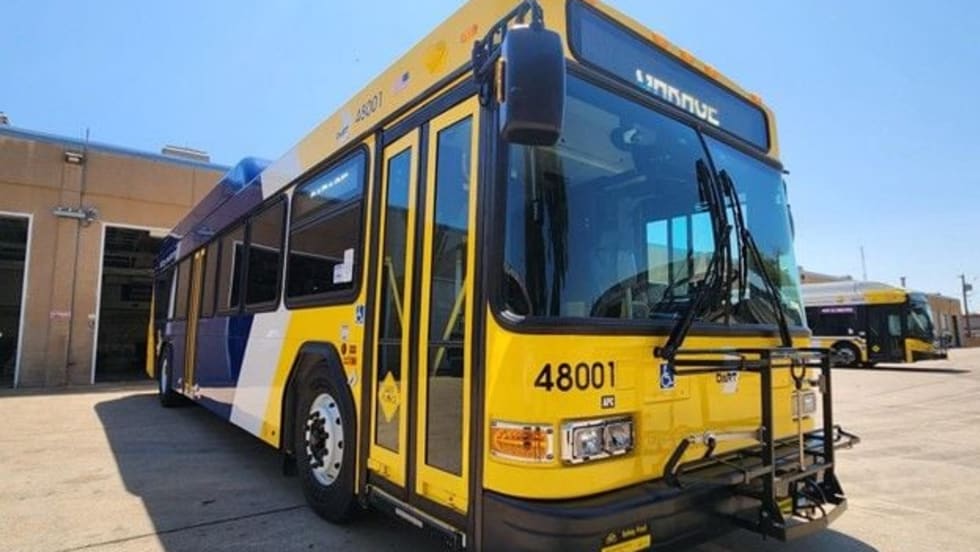
DART Customer Satisfaction Reaches Six-Year High
Overall satisfaction rose to 74.9%, while the agency’s Net Promoter Score reached a record 33.7.
Read More →
How DART's GoPass Is Redefining Regional Mobility
Serving 14 transit agencies, GoPass simplifies multimodal travel by allowing riders to plan, pay for, and manage an entire trip through one app.
Read More →
Biz Briefs: OCTA Taps Clean Energy for Hydrogen Station, Stadler to Supply Via Rail Vehicles, and More
From manufacturers and suppliers to transit agencies and motorcoach operators, these updates offer a snapshot of the projects, partnerships and business moves driving the industry forward.
Read More →
METRO Magazine Announces 2026 Innovative Solutions Awards Winners
Projects Recognized for Advancing Mobility Through Technology, Accessibility, Workforce Innovation, and Operational Excellence
Read More →
Biz Briefs: STV teams with Amtrak, Motorcoach Operators Boost Fleet and Land Contracts, and More
From manufacturers and suppliers to transit agencies and motorcoach operators, these updates offer a snapshot of the projects, partnerships and business moves driving the industry forward.
Read More →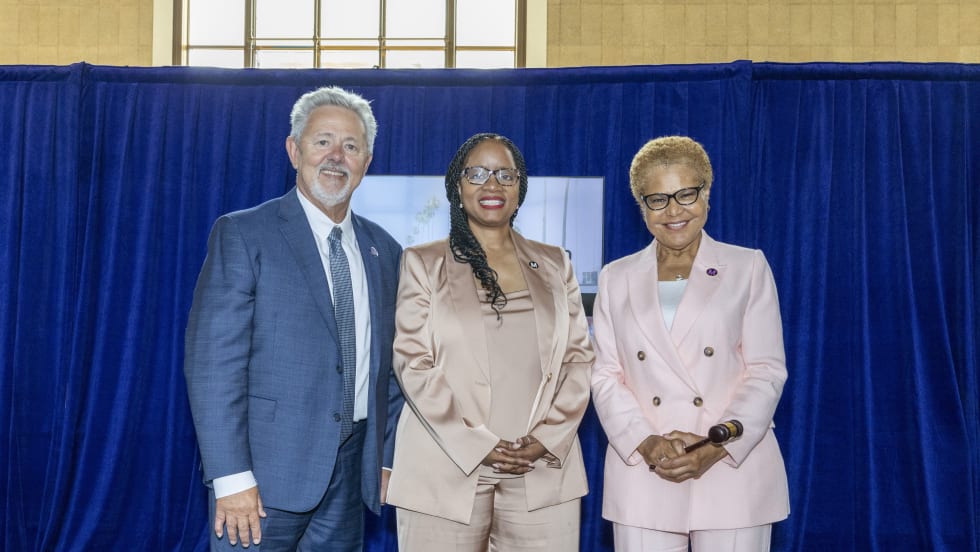
LA Metro Marks Banner Year, Sets Ambitious Goals for New Fiscal Year
Incoming LA Metro Board Chair and Los Angeles Mayor Karen Bass joined outgoing Board Chair Fernando Dutra and LA Metro CEO Stephanie Wiggins to review accomplishments from fiscal year 2026, which included the opening of new rail extensions, advancement of major transit projects, expanded safety programs, and new rider amenities.
Read More →