



Innovative Operator Profile: Showing Off the Windy City
For nearly 100 years, the Chicago Sightseeing Co. has moved people through the Windy City for sightseeing, commuting and charter transportation purposes.
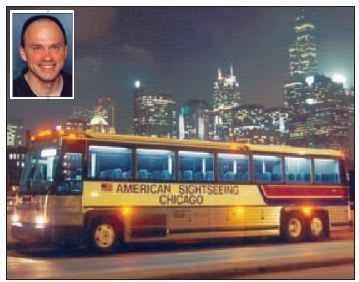
For nearly 100 years, the Chicago Sightseeing Co. has moved people through the Windy City for sightseeing, commuting and charter transportation purposes. The parent company currently owns and operates five smaller businesses — American Sightseeing, Gray Line of Chicago, Prairie Trailways, Chicago’s Original Trolley Lines and the O’Hare Express.
These companies operate a number of important transportation services, in some cases running 24 hours a day. For example, in recent years Chicago Sightseeing has become the official carrier of the White House when the President comes to Chicago. Beyond that, the company also utilizes its resources to support organizations such as the Make-A-Wish Foundation by providing transportation for the families and friends of terminally ill children.
The system utilizes luxury motorcoaches manufactured by MCI, a fleet of trolleys and three upper-deck buses manufactured by Roman Chariot. “This diversified group of vehicles allows us to cover a wide range of business types while not losing sight of the company’s origin,” says Chris Ferrone, vice president of engineering.
During his time spent with the company, Ferrone has attempted to advance the safety, mechanical understanding and the incorporation of new products and procedures for the motorcoach industry. “During this period of time, our buses have been widely used as a test platform for such projects as an initial trial usage of biodiesel and retro-reflective tape used for conspicuousness,” he says. “Additionally, we have developed a life extension plan for Detroit Diesel Series 92 engines, implemented refrigerant retrofits and tested the S-1 Pedestrian Guard for transit buses and the Zonar electronic pre-trip inspection system.”
Chicago Sightseeing also has a close affiliation with a consulting firm called Americoach Systems, which provides mechanical analysis and transportation technology to the industry. In the past, Americoach has developed an introduction program for low-sulfur diesel fuel, repair programs for extreme mileage vehicles, vehicle remanufacturing guidelines, prevention/repair methods for panel corrosion and a lecture on how to prevent and understand motorcoach fires. Chicago Sightseeing has taken advantage of all of these programs.
Ferrone credits much of the technical successes developed in his garage to having a staff of experienced and skilled mechanics. “Their skills and understanding of the business give me the ability to periodically work on other engineering issues which benefit our firm and the industry long term.”
Ferrone further attributes some of the company’s overall success to the organizations of which it is a member. Gray Line, Trailways and the American Bus Association all contribute some form of synergy, he says. “Having national groups you can reach out to enables us to broaden our business radius,” Ferrone adds.
Chicago Sightseeing, which will celebrate its 100th anniversary in June of 2007, has been a family-run business since Henry Ferrone purchased the stock in 1919. Through it all, the Ferrone philosophy has been cut and dried. “We repair buses and advance technology, but we always keep in mind that it’s the passengers who pay the bills.”
At a Glance
Motorcoaches: 23
Fleet mix: 10 MCIs, 10 trolleys, 3 upper-deck coaches
Employees: 45
Drivers: 30
Year started: 1907
Service area: Chicago and the Midwest
Services offered: Scheduled service, charter, tour
Average annual mileage: 750,000 to 900,000
VP of engineering: Chris Ferrone (pictured)
More Motorcoach

People Movement: Dan Dipert Coaches Adds Third-Generation Leader, Keolis Names New Valley Metro VP/GM, and More
In this edition, we also cover recent appointments and announcements at the Wabtec, SilverRide, HNTB, and more, showcasing the individuals helping to shape the future of transportation.
Read More →
METRO Opens Submissions for 2026 Motorcoach Awards
Nominations are now being accepted for METRO Magazine’s Operator of the Year and Innovative Operator of the Year awards.
Read More →
Biz Briefs: Alstom Lands Canadian Contract, LYT to Supply California TSP, and More
In METRO's latest installment, we take a look at recent news from Complete Coach Works, Beep, FlixBus, and more partnerships making headlines across the transportation sector.
Read More →
Biz Briefs: RIPTA Unveils New Frontrunners, Clevland RTA Adds New Siemens, and More
In METRO's latest installment, we take a look at recent news from Siemens, Prevost, Dodge, and more partnerships making headlines across the transportation sector.
Read More →
People Movement: Holly Arnold Joins Transdev and More
In this edition, we also cover recent appointments and announcements at Pace, CamTran, MCI, and more, showcasing the individuals helping to shape the future of transportation.
Read More →
ABA Report: Motorcoach Travel Generates $161.6B Economic Impact
The 2025 analysis finds motorcoach travel supported nearly 900,000 jobs and generated $28 billion in federal, state, and local taxes.
Read More →
CharterUP’s Armir Harris on Technology, AI, and the Future of Group Mobility
In a recent episode of METROspectives, CharterUP Founder/CEO Armir Harris discussed the company’s evolution from an online charter bus marketplace into a technology platform supporting public- and private-sector mobility and much more.
Read More →
People Movement: ABC Names John Walsh as Chief Commercial Officer
In this edition, METRO also covers recent appointments and announcements at the DART, STV, and more, showcasing the individuals helping to shape the future of transportation.
Read More →
From Surviving to Thriving: Building Stronger Transportation Organizations
Bus Business Consultants founder Brian Dickson shares lessons on leadership, organizational health, and creating options for long-term success in a changing transportation industry.
Read More →
Biz Briefs: Luminator Marks Milestone and More
From manufacturers and suppliers to transit agencies and motorcoach operators, these updates offer a snapshot of the projects, partnerships and business moves driving the industry forward.
Read More →