



Motorcoaches are an underused, but growing mode
Both motorcoach and intercity passenger rail also reduce our nation’s dependence on foreign oil and make the U.S. economy more competitive.
Not that many decades ago, there were two intercity motorcoach services that provided full schedules that served both small towns and major cities in the U.S. In some places there were even more services, with strong regional intercity carriers. Next came deregulation under President Reagan and most companies providing such services exited the market for the more profitable tour and charter business. Now intercity coach service is on a comeback, and it's a trend that has gotten some notice among some policy makers.
According to a recent study by the libertarian think tank Cato Institute, intercity coach ridership has grown twice as fast as Amtrak's in the past five years, even though Amtrak's demand is also growing at a pretty healthy pace. Part of this is the result of coming from a depressed demand; 2006 saw the lowest intercity scheduled coach ridership in 40 years. Some of it has also been the result of declining air service. Much of it, however, has also been the result of some innovative marketing, lean and flexible operations, and a focus on what customers value, according to several studies conducted by the Chaddick Institute at Chicago's DePaul University.
Old and new companies part of picture
Some of this new activity is by well-established companies, such as Greyhound and the U.K.-based Stagecoach's Megabus subsidiary. Other parts of the success story are from new companies, however, including immigrant entrepreneurs like the Chinatown service in Boston and New York. Many of these services offer express service between major cities, some with Wi-Fi Internet service and plush seats. The travel times are also competitive with train and air travel in many cases, especially when you consider downtown-to-downtown markets.
This is not to say that government policy should favor intercity coach service instead of intercity rail, as some conservatives and libertarians argue. In fact, policies should encourage both, because both make regional economies more efficient by providing efficient alternatives to driving alone or using airlines for short hops. Both motorcoach and intercity passenger rail also reduce our nation's dependence on foreign oil and make the U.S. economy more competitive. The resurgence of intercity motorcoach service is also good for Amtrak, because the competition makes both better and service agreements can make for a more seamless travel experience.
Encourage the whole network
Like the increase in passenger demand for Amtrak and public transportation, the return of customers to scheduled motorcoach service is also good for domestic suppliers of transportation equipment and infrastructure. Public officials need to encourage these trends, not pit them against each other.
More Motorcoach
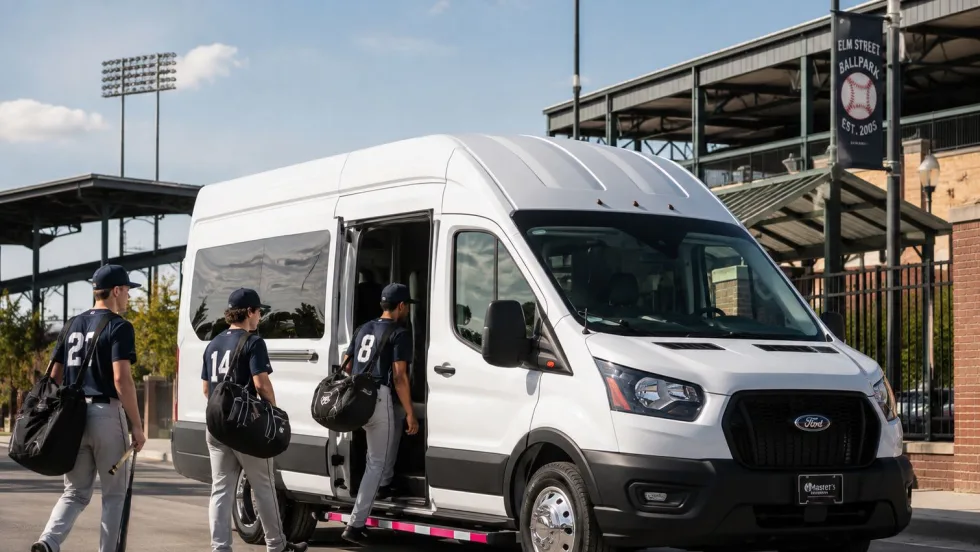
Rethinking the Road: Transportation Challenges for Smaller College Athletics
Smaller college athletic programs are rethinking fleet strategies as rising costs, driver shortages, and longer travel distances put new pressure on transportation budgets.
Read More →
Brian Dickson on Building Stronger, More Resilient Transportation Organizations
Bus Business Consultants Founder Brian Dickson discusses the leadership principles, operational discipline, and strategic planning that separate transportation companies positioned for long-term success from those stuck in survival mode.
Read More →
Roman Cornell on ABC Companies’ Evolution and the Future of Passenger Transportation
The company’s CEO discusses carrying forward a third-generation family legacy, ABC’s continued evolution in passenger transportation, support for increasingly complex fleets, and how technology and continued investment could help operators improve uptime.
Read More →
From Surviving to Thriving: Building Stronger Transportation Organizations
Bus Business Consultants founder Brian Dickson shares lessons on leadership, organizational health, and creating options for long-term success in a changing transportation industry.
Read More →
Report: Canadian Motorcoach Industry Generates $4.4B in Economic Impact
The 2025 Motorcoach Economic Impact Report finds motorcoach travel supported nearly 25,000 jobs and generated $980 million in federal, provincial, and local taxes.
Read More →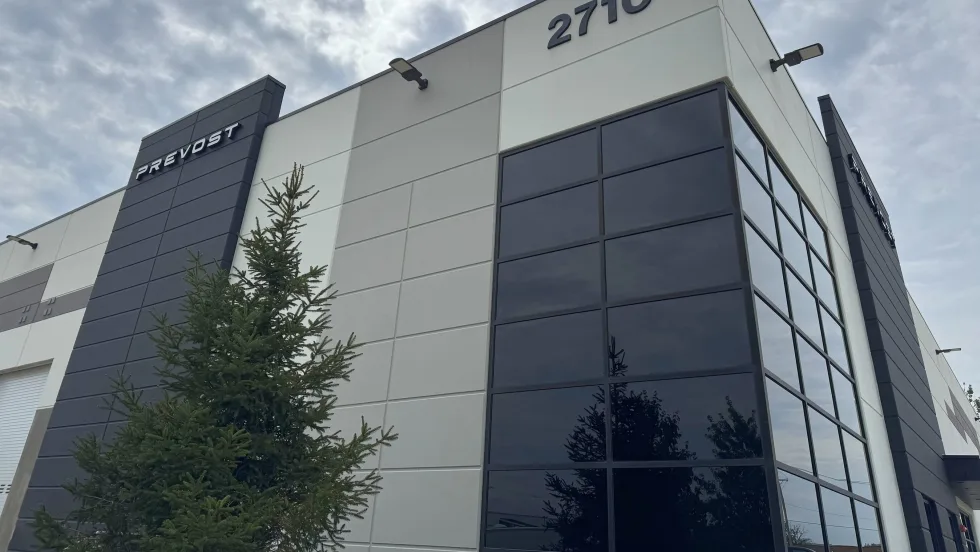
Prevost Opens Expanded Chicago-Area Service Center
The $8.1 million Elk Grove Village investment nearly triples facility space while adding service capacity, parts storage, and customer amenities.
Read More →
People Movement: Dan Dipert Coaches Adds Third-Generation Leader, Keolis Names New Valley Metro VP/GM, and More
In this edition, we also cover recent appointments and announcements at the Wabtec, SilverRide, HNTB, and more, showcasing the individuals helping to shape the future of transportation.
Read More →
METRO Opens Submissions for 2026 Motorcoach Awards
Nominations are now being accepted for METRO Magazine’s Operator of the Year and Innovative Operator of the Year awards.
Read More →
Biz Briefs: Alstom Lands Canadian Contract, LYT to Supply California TSP, and More
In METRO's latest installment, we take a look at recent news from Complete Coach Works, Beep, FlixBus, and more partnerships making headlines across the transportation sector.
Read More →
Biz Briefs: RIPTA Unveils New Frontrunners, Clevland RTA Adds New Siemens, and More
In METRO's latest installment, we take a look at recent news from Siemens, Prevost, Dodge, and more partnerships making headlines across the transportation sector.
Read More →