



San Diego graffiti program tags offenders
The privately-owned Web-based Graffiti Tracker program uses a database that tracks, measures and links graffiti incidents throughout the region.
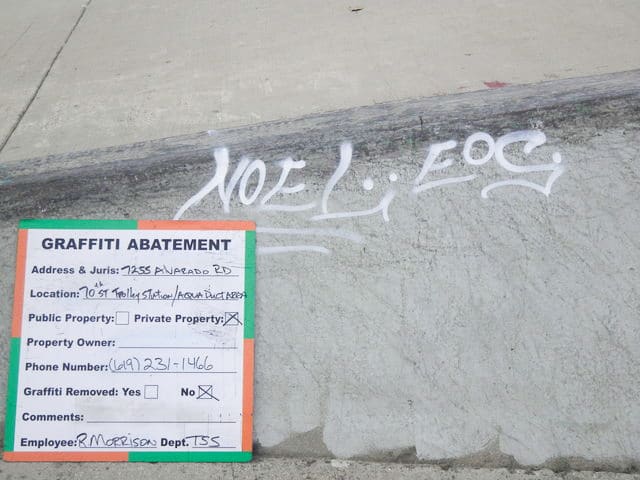
Graffiti Tracker enables agencies, such as San Diego MTS, to use a database that tracks, measures and links graffiti incidents throughout the region (each green or orange stripe above is two feet long). The information is then shared by law enforcement to prosecute vandals.
Graffiti Tracker enables agencies, such as San Diego MTS, to use a database that tracks, measures and links graffiti incidents throughout the region (each green or orange stripe above is two feet long). The information is then shared by law enforcement to prosecute vandals.
A new program being used by San Diego Metropolitan Transit System (MTS) to fight graffiti is beginning to pay dividends for the agency.
The privately-owned Web-based Graffiti Tracker program uses a database that tracks, measures and links graffiti incidents throughout the region. That information is shared by law enforcement to prosecute vandals for numerous graffiti incidents, resulting in stiffer penalties and large restitutions.
The program is currently being used not only by MTS, but also other area agencies including the City and County of San Diego, the North County Transit District and the Port of San Diego.
"The big advantage is if one of the communities that we serve were to catch somebody committing graffiti, arrest them, and take a picture and then feed it into the computer system, there is the likelihood that they can get hits from the same person who committed graffiti on our line as well, because it's all fed into the same database," explained Bill Burke, chief of police for MTS.
Graffiti Tracker is now helping MTS, which operates trolley and bus service in the San Diego region with more than 80 bus routes and 53 miles of light rail, recoup some its financial losses caused by graffiti.
The agency's first big case occurred in September, when the Superior Court of California ordered a juvenile to pay the MTS $14,710 in restitution for damage caused by graffiti on its property. The juvenile ordered to pay restitution used spray paint, permanent markers and etching tools to place graffiti in at least 20 different locations on MTS property.
Meanwhile in March, MTS undercover security operations arrested five juveniles over a two-week span, who were responsible for 277 individual tags covering 3,580 square feet and damage estimated at more than $25,000, according to information culled and stored in Graffiti Tracker's database.
"It's taken time to really develop a database and start catching these people that are out there, and as they see more and more that this is occurring, they are going to know we are taking this very seriously," said Burke. "We're not looking at it as 'if we catch somebody.' We know it will happen; we will catch these people and we're not going to back off. We are going to prosecute them and look for restitution, because that's the only way to make them understand that it's not acceptable behavior."
Burke added that the cost for MTS to deal with graffiti totals approximately $1 million a year.
"When graffiti occurs you have to cover it up, and you have to do it rather quickly because other gangs want to put their graffiti on top of that graffiti," he said. "If you don't cover it up right away, then it really gets out of hand."
The MTS joined the program a little more than a year ago at the urging of San Diego County Supervisor Greg Cox, following a successful pilot by city and county sheriff's offices and other area agencies.
The initial investment for four cameras and signs, which measure and detail information relating to the graffiti, cost MTS approximately $13,000, according to Burke. The agency also pays $5,000 to Graffiti Tracker for its annual subscription.
Additionally, the MTS uses an undercover security team and has recently supplemented its in-station closed-circuit television system with on-board cameras on its buses and trolleys to help fight graffiti vandals. It is the uniqueness of the Graffiti Tracker program, however, that is really making its mark, explained Burke.
"Prior to [using the program], we had pictures of graffiti that we took, but it really didn't mean anything unless you remembered you had it in a file somewhere, which is hard to do and not very effective," he said. "Graffiti isn't just an issue on our system, it's a community issue, as well. All of these agencies are working together to accomplish this and that's where the real success of this program lies."
More Bus
LA Metro September Ridership Climbs 3.9%, Led by Rail Growth
The agency recorded more than 27.2 million boardings, with rail ridership increasing 12.4% year over year and the D Line posting the largest gains.
Read More →
Frontrunner Bus Group Introduces XF Low-Floor Bus with Enhanced Accessibility
The new mid-sized bus features a full flat-floor design, eight-inch curbside step-in height, and zero-entry rear ramp to improve passenger access and operational flexibility.
Read More →
Scenes from APTA TRANSform & EXPO 2026
Transit leaders, manufacturers, and industry professionals gathered in Chicago to explore new technologies, share ideas, and discuss the future of public transportation.
Read More →
More Than a Summer Job: Building the Next Generation of Transit Talent
The Delaware River Port Authority and PATCO have transformed their internship program into a hands-on professional development experience that introduces students to the breadth of transportation careers — and creates a pipeline for future employees.
Read More →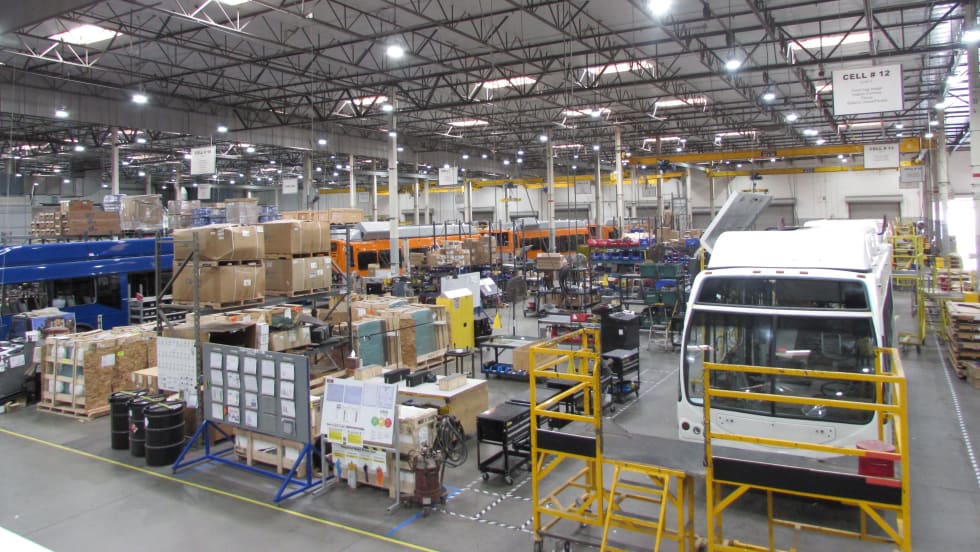
LA Metro Board Awards 220 Battery-Electric Bus Contract to ENC
The contract, which is the largest base award of battery-electric buses by a U.S. transit agency, will be built in Southern California, sustaining good jobs as LA prepares to welcome the world in 2028
Read More →
Public Transit Conference Returning to GFX in 2027, Call for Papers Now Open
The Call for Papers is now open, allowing transit agency professionals and industry experts to help shape the PTC educational program by submitting session ideas for consideration.
Read More →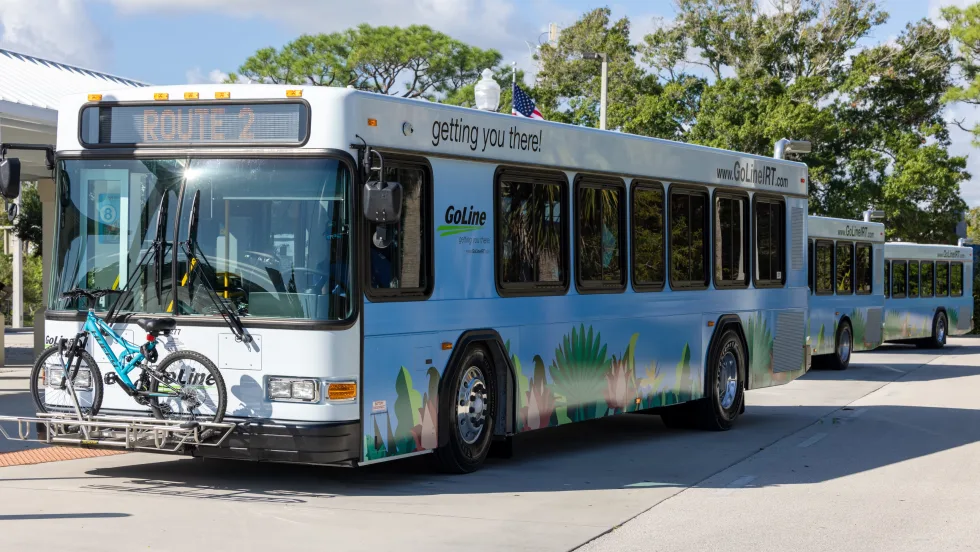
Indian River Transit’s Community-Focused Approach Earns National Recognition
Named APTA’s 2026 Outstanding Public Transportation System in its size category, Florida’s Indian River County transit system continues to grow ridership through fare-free service and a focus on evolving community needs.
Read More →
ENC Lands MATA Contract and More in Biz Briefs
In this edition of Biz Briefs, we spotlight the latest developments shaping the future of mobility.
Read More →
From Surviving to Thriving: Building Stronger Transportation Organizations
Bus Business Consultants founder Brian Dickson shares lessons on leadership, organizational health, and creating options for long-term success in a changing transportation industry.
Read More →
Everett Transit, Community Transit Outline Consolidation Agreement
The proposed agreement calls for a 50% increase in bus service in Everett, a new microtransit zone, continued paratransit service, and the transfer of Everett Transit operations to Community Transit.
Read More →