



Subways to become cell phone accessible
Chicago and San Francisco work to implement the technology.

For cell phone users, having a service signal is crucial, even when the user is traveling in a subway system. Realizing this dilemma, two transit authorities are looking at ways to resolve the issue. The Chicago Transit Authority (CTA) recently awarded a $11.2 million contract to Aldridge Electric Inc. in Libertyville, Ill. , to create and oversee its wireless telecommunications system. Work on the project is expected to begin this spring and be completed in about 18 months. Since installation will occur during off-peak hours, no major service interruptions are expected. “Wireless telephone service is an integral part of life these days,” said Valerie B. Jarrett, Chicago Transit Board chair. “Customers will be able to stay connected to their businesses and families, and we want to provide them the means to do so.” In addition to serving customers, the wireless system will improve internal communication at the CTA, Jarrett said. In San Francisco, the Bay Area Rapid Transit (BART) has been kicking around the idea of installing a wireless telecommunications system into its subway tunnels and stations for a couple of years. “But with the economy in the tank, corporations are holding back on investments,” said BART spokesman Ron Rodriguez. Andrew Corp., a telecommunications firm, earlier proposed a plan to wire all the tunnels and stations. The idea was for Andrew to pay BART a franchise fee and then collect a leasing fee from cell phone providers who wished to use the system. However, as the economy began to falter, the firm put its plans on hold. BART would prefer that a single company handle the overall process. “I think the best bet would be one company sublet its usage to the others,” Rodriguez said.
More Rail
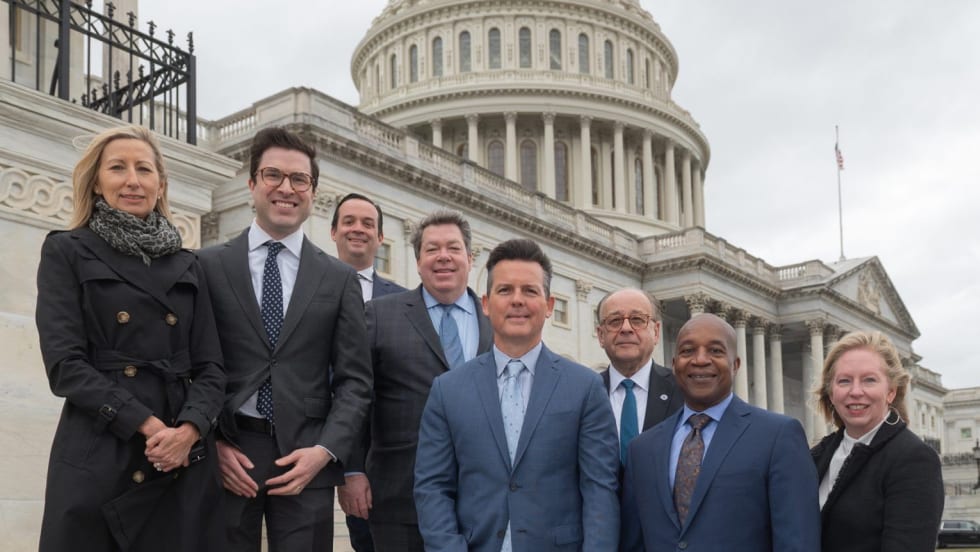
The Business Voice Behind Public Transportation
As chair of APTA’s Business Members Board of Governors, Ray Melleady explains how more than 850 business members are partnering with transit agencies to advance funding, innovation, and industry-wide collaboration.
Read More →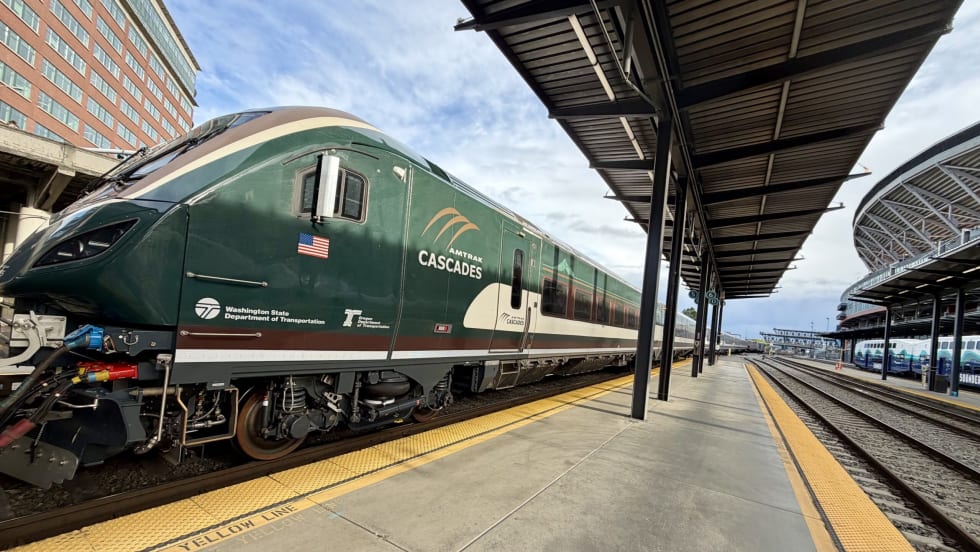
FRA Announces $5.3B in Rail Investments, Including $2B for Amtrak
Funding will support grade-crossing improvements, infrastructure upgrades, and new Amtrak equipment in 23 states.
Read More →
Finding the ‘Happy Medium’: Optimizing Maintenance Without Sacrificing Reliability
The key to maintenance optimization isn’t doing less work—it’s doing the right work at the right time on the right assets.
Read More →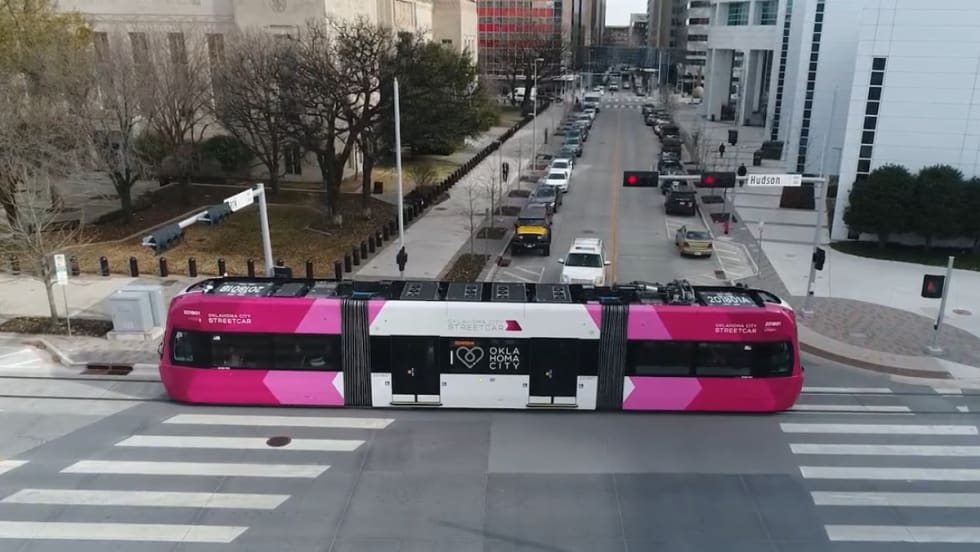
OKC Streetcar Makes Zero-Fare Service Permanent
Ridership increased an average of 71% compared with the same period a year earlier during the fare-free pilot.
Read More →
DART Customer Satisfaction Reaches Six-Year High
Overall satisfaction rose to 74.9%, while the agency’s Net Promoter Score reached a record 33.7.
Read More →
How DART's GoPass Is Redefining Regional Mobility
Serving 14 transit agencies, GoPass simplifies multimodal travel by allowing riders to plan, pay for, and manage an entire trip through one app.
Read More →
Amtrak Board Advances Plan to Restructure Organization, Seeks Public Input
The proposal, developed by Amtrak management and approved by the board for further consideration, is intended to modernize the organization's structure while improving accountability, operational efficiency, and customer service.
Read More →
Biz Briefs: STV teams with Amtrak, Motorcoach Operators Boost Fleet and Land Contracts, and More
From manufacturers and suppliers to transit agencies and motorcoach operators, these updates offer a snapshot of the projects, partnerships and business moves driving the industry forward.
Read More →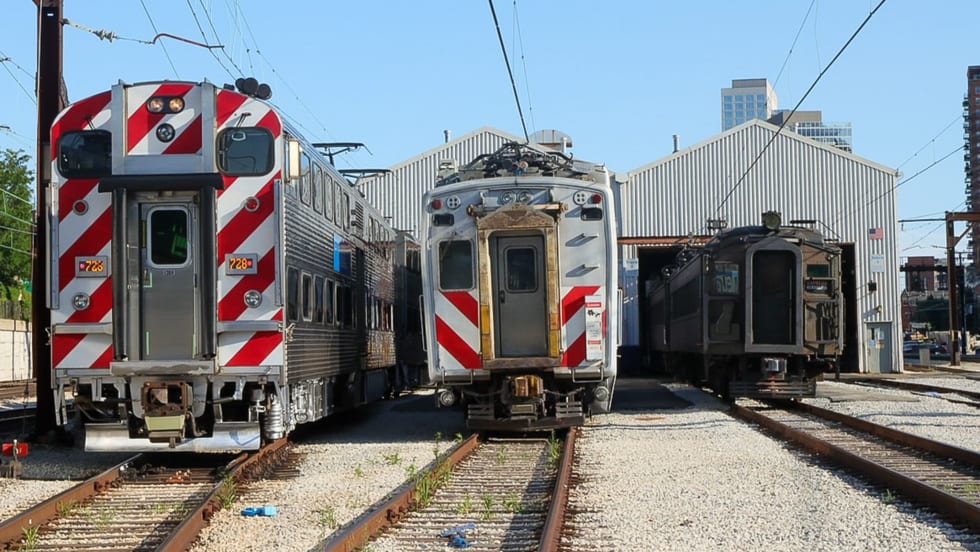
Metra Celebrates 100 Years of Electric Rail, Looks to the Future
The event was also a celebration of recent reforms to public transportation in the Chicago area, changes that could be as transformative in the future as the major civic achievement a century ago, said officials.
Read More →
LA Metro Marks Banner Year, Sets Ambitious Goals for New Fiscal Year
Incoming LA Metro Board Chair and Los Angeles Mayor Karen Bass joined outgoing Board Chair Fernando Dutra and LA Metro CEO Stephanie Wiggins to review accomplishments from fiscal year 2026, which included the opening of new rail extensions, advancement of major transit projects, expanded safety programs, and new rider amenities.
Read More →