



Switching to Propane Pays Off for Mich. Fleet
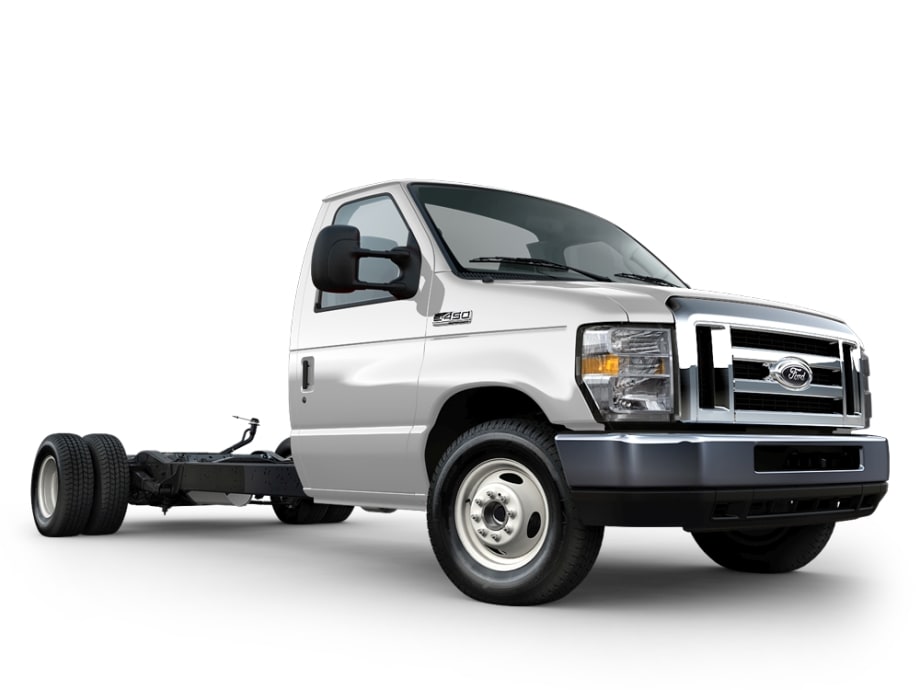
Currently, Livonia has four ROUSH CleanTech Ford E-450 Cutaway buses that are used for its Community Transit system.
Looking for ways to alleviate budget issues, a mayor’s community outreach initiative led to two Michigan neighbors — the City of Livonia and propane fuel supplier, ROUSH CleanTech, to form a beneficial partnership.
“Once a month, our mayor and his staff try to meet with different companies as a way to get to know the businesses in our community,” explains Don Rohraff, superintendent, public utilities. “After meeting with ROUSH and hearing a presentation with all of this eye-opening information about using propane autogas, he followed up with to say we should look into alternative fuels.”
To that end, the City partnered with ROUSH a couple of years ago to purchase both new vehicles and convert existing vehicles to run on propane.
Currently, the City has four ROUSH CleanTech Ford E-450 Cutaway buses that are used for its Community Transit system, which provides transportation service for seniors and disabled residents, as well as “To Work” service for passengers coming to Livonia using Suburban Mobility Authority for Regional Transportation and Detroit Department of Transportation bus systems.
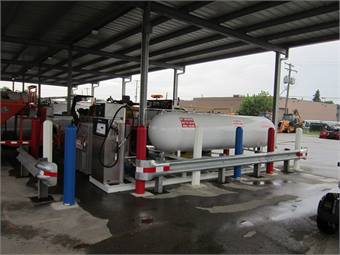
Additionally, the City uses propane autogas to fuel three ROUSH CleanTech Ford F-250 trucks and 12 mowers. In June, the City completed the installation of its own fueling station, which allows them to take advantage of a 50-cent per gallon tax incentive offered by the federal government.
Infrastructure Cost
ROUSH’s Todd Mouw, VP, sales and marketing, explains many times the cost of implementing the necessary propane autogas infrastructure is a major concern for operations, therefore, the company urges interested operators to reach out to fueling suppliers as part of its initial information gathering.
“Typically when we go and meet with the customer, we explain what our technology does, our relationship with Ford, how we will support them, and then, give them contact information for companies, such as Amerigas, that can answer their questions related to fueling and infrastructure,” says Mouw. “We like to do that initially, so we can make sure the customer has all of their issues and concerns addressed up front and move forward in the process with confidence.”
Fueling Advantages
Mouw explains the benefits of a fleet switching to propane are mostly economic, with the current cost of propane autogas coming in very close to $2 less per gallon equivalent compared to diesel and gasoline.
Although there is an approximate 15% decrease in mileage per gallon compared with diesel or gasoline, he adds public transportation or airport fleets that have switched to propane autogas typically realize financial savings in about 18 months.
Additionally, propane autogas is sourced domestically and can significantly reduce emissions, with 12% less carbon dioxide, about 20% less nitrogen oxide, up to 25% less greenhouse gases and up to 60% less carbon monoxide than gasoline-powered vehicles.
Mouw adds ROUSH’s propane-powered cutaways are Altoona-tested, which enables public transportation agencies to purchase the vehicles using Federal Transit Administration grant funding.
Rohraff explains that although the City is not able to provide documentation, its propane use is paying off: the City has saved approximately $1.25 per gallon since beginning its program. He also adds it has made an impact on the maintenance of its vehicles.
“The one huge advantage that gets overlooked is we have been able to increase our preventive maintenance from 4,000 to 5,000 miles to more like 8,000 to 10,000 miles,” he says. “The big reason we have been able to do that is because propane burns much cleaner so there is less wear and tear.”
Currently, the City is planning on replacing its remaining Community Transit fleet with propane-powered vehicles as they reach their retirement age. Rohraff also explains the City has spoken to ROUSH about the possibility of expanding its usage of propane to other types of vehicles, such as dump trucks.
“We have really moved out of the pilot phase of this program,” says Rohraff. “I don’t see it going away anytime soon, unless something happens with propane from a pricing standpoint.”
More Bus

More Than a Summer Job: Building the Next Generation of Transit Talent
The Delaware River Port Authority and PATCO have transformed their internship program into a hands-on professional development experience that introduces students to the breadth of transportation careers — and creates a pipeline for future employees.
Read More →
LA Metro Board Awards 220 Battery-Electric Bus Contract to ENC
The contract, which is the largest base award of battery-electric buses by a U.S. transit agency, will be built in Southern California, sustaining good jobs as LA prepares to welcome the world in 2028
Read More →
Public Transit Conference Returning to GFX in 2027, Call for Papers Now Open
The Call for Papers is now open, allowing transit agency professionals and industry experts to help shape the PTC educational program by submitting session ideas for consideration.
Read More →
Indian River Transit’s Community-Focused Approach Earns National Recognition
Named APTA’s 2026 Outstanding Public Transportation System in its size category, Florida’s Indian River County transit system continues to grow ridership through fare-free service and a focus on evolving community needs.
Read More →
ENC Lands MATA Contract and More in Biz Briefs
In this edition of Biz Briefs, we spotlight the latest developments shaping the future of mobility.
Read More →
From Surviving to Thriving: Building Stronger Transportation Organizations
Bus Business Consultants founder Brian Dickson shares lessons on leadership, organizational health, and creating options for long-term success in a changing transportation industry.
Read More →
Everett Transit, Community Transit Outline Consolidation Agreement
The proposed agreement calls for a 50% increase in bus service in Everett, a new microtransit zone, continued paratransit service, and the transfer of Everett Transit operations to Community Transit.
Read More →
SEPTA Details Accelerate Vision for Transit System
The plan outlines investments in trolley modernization, new Metro and Regional Rail vehicles, accessible stations, and more frequent bus and rail service.
Read More →
Report: Transit Bus Manufacturing Supports 34,100 Jobs, $5.1B in GDP
The “Buses Mean Business” report examines the transit bus manufacturing industry’s economic footprint, supply chain, and rising demand for vehicle replacements.
Read More →
Biz Briefs: New Flyer Delivers in Columbus, Houston, Beep and Freebee Merge, and More
In this edition of Biz Briefs, we spotlight the latest developments shaping the future of mobility.
Read More →