
Metro Magazine

 MENU
MENU SEARCHMENUSEARCH
Post-Katrina's Lower 9th Ward has finally begun to pick up the pieces and found a way to transport its slowly re-growing population using a flexible-route, on-demand neighborhood circulator that combines elements of fixed route, flex route, paratransit and neighborhood circulators.
Read More →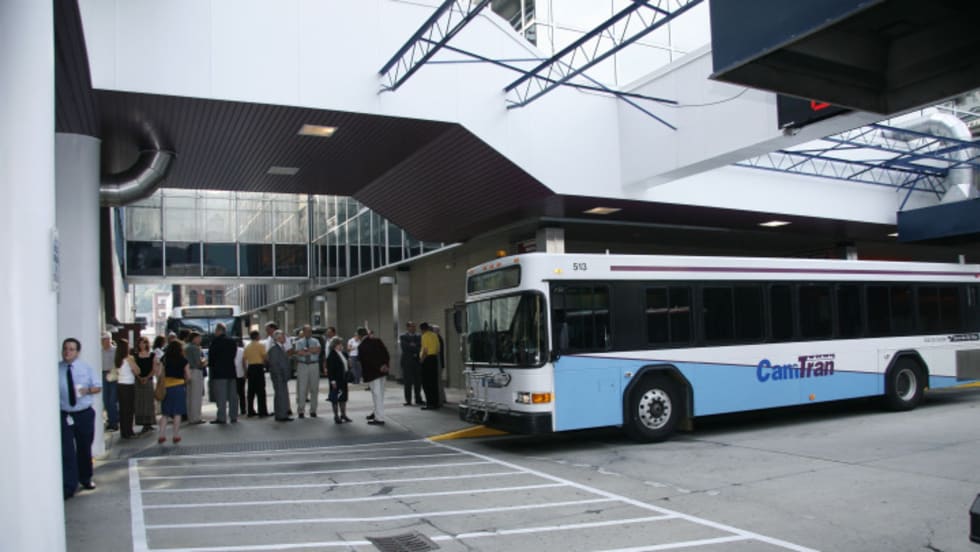
Transit authorities are increasingly discovering the cost-saving benefits of social networking tools like Facebook and Twitter to help market their services and the the next generation of riders on board.
Read More →
Alstom's catenary-free technology offers safety for pedestrians and road users as power delivery only occurs once the conducting segment of the track is covered by the tram. Its design also allows for the preservation of urban environments and unique historic heritage of communities where it is implemented.
Read More →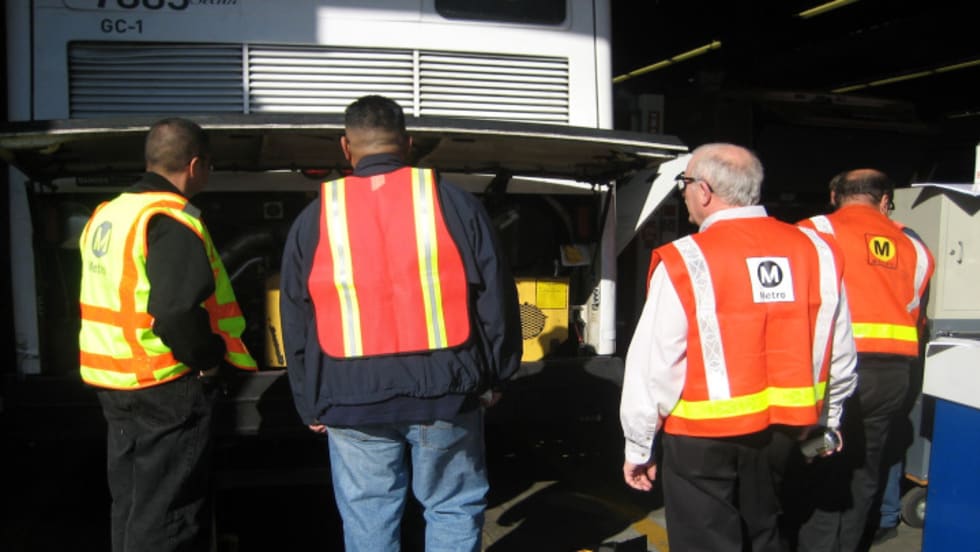
New curriculum, which should be ready this fall, focuses on the entire operation of the hybrid system, including electronics, component identification, energy storage, manual discharge, regenerative braking and energy flow, as well as the cooling system.
Read More →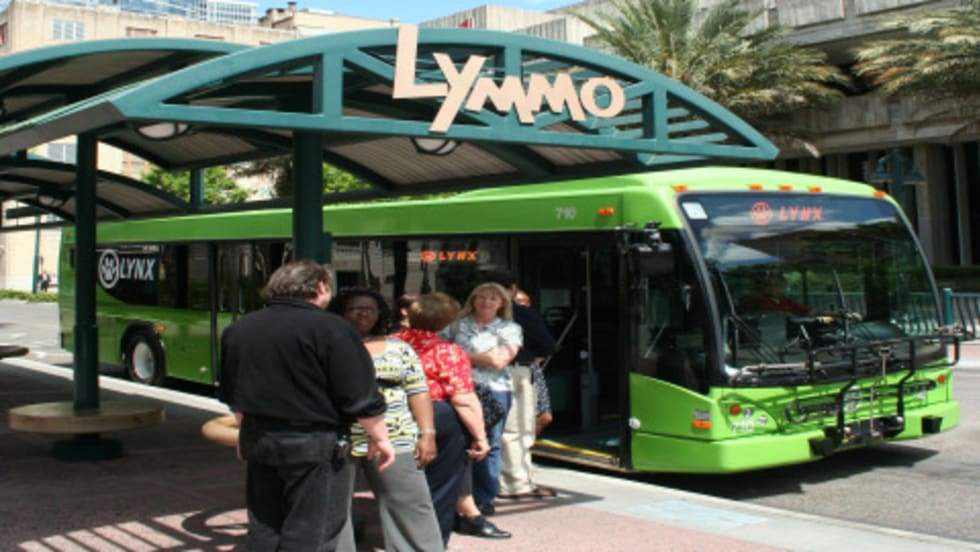
Replacing its aging fleet with new vehicles, -- including low-floor BRT buses -- as well as working to obtain ARRA funding for 120 bus shelters and partnering with neighboring counties to expand service, play integral parts in the overhaul plan.
Read More →For those who think there is no connection between how we spend the extra money now and what we will get from that next bill, guess again.
Read More →A new task force will develop federal housing affordability measures that include housing, transportation and other costs that affect location choices.
Read More →The transit agency's technology investment is expected to increase safety and convenience and streamline schedules for fixed routes.
Read More →Metro has released route, stop and schedule data for download, hoping to make the information useful to more riders.
Read More →Kansas-based Topeka Metropolitan Transit Authority entered into a fuel-hedging contract last May before prices dropped, causing the agency to pay $215,000 more over eight months.
Read More →