



6 fleets receive eco award at BusCon for propane usage
PERC presented the “Top User of Clean-Burning Propane Autogas” awards to attending representatives at a ceremony Wednesday morning at Indiana Convention Center. The fleets were individually recognized for recent adoptions of propane-autogas-powered vehicles.

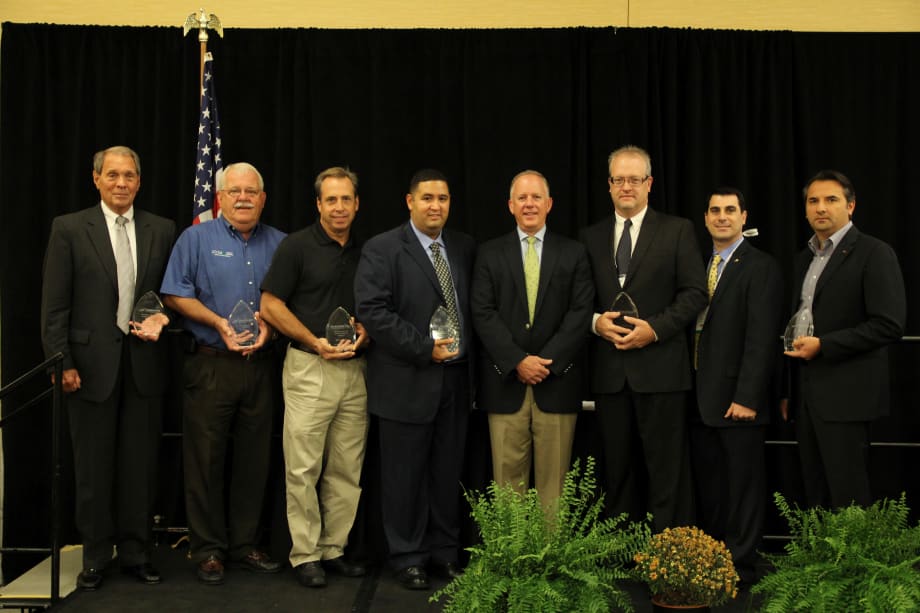
Public transportation fleets across the county are turning to propane autogas as a way to reduce their carbon footprint, cut fuel costs, and decrease dependence on foreign oil. This week, the Propane Education & Research Council and Metro Magazine recognized six top fleets for their recent adoptions of clean, American-made propane autogas at BusCon Expo in Indianapolis.
RELATED:BusCon 2014, wrapping up a great show! (video)
Propane-autogas-powered vehicles emit fewer harmful greenhouse gas and carbon emissions than vehicles running on gasoline and diesel, reducing short-term and long-term health effects on passengers, according to the company.
"This year’s award winners are a great example of how fleets can improve the economic and environmental well-being of their communities without breaking the bank to do it,” PERC Chief Business Development Officer Tucker Perkins said. “Propane autogas is a clean fuel that can also result in a strong ROI due to significant savings on fuel costs. Public fleets can trust propane autogas as an affordable, reliable fuel."
RELATED:Propane education group launches new website
PERC presented the “Top User of Clean-Burning Propane Autogas” awards to attending representatives at a ceremony Wednesday morning at Indiana Convention Center. The fleets were individually recognized for recent adoptions of propane-autogas-powered vehicles.
• Access Transportation Inc. in Fort Plain, New York, currently operates 15 propane-autogas-powered Ford E-250 and Ford E-350 vehicles with ICOM JTG II Systems, and has two additional conversions underway this year. Brian Muehleck, owner of operations, explained that propane autogas has made going green easy and he plans to eventually convert the remaining 20 fleet vehicles to propane. Access Transportation is also doubling their on-site refueling infrastructure, upgrading to a 2,000 gallon tank and two dispensers.
• Benzie Transportation Authority recently adopted seven propane autogas shuttle buses with ICOM JTG II Systems, and one Ford E-450 transit vehicle with a dedicated Roush CleanTech fuel system. According to Chad Hollenbeck, BTA Operations Manager, the transit authority is the first in northern Michigan to adopt clean, green propane autogas.
• Broward County Transit purchased 138 propane-autogas-powered mini-buses for its transit fleet this year. The vehicles will begin servicing Broward in 2015, making BCT the largest alternative fuel paratransit fleet in the entire nation, Tim Garling, BCT deputy director, said in a recent interview.
• Muncie Indiana Transit System is currently operating one test vehicle on propane autogas and has two new dedicated Ford E-450 transit vehicles with Roush CleanTech propane autogas fuel systems on order. According to Larry King, MITS general manager, the transit system plans to convert their remaining15 MITSPlus paratransit fleet vehicles from diesel to propane autogas in order to reduce harmful emissions.
• Palm Beach County first adopted propane in 2012 because of its obvious cost and environmental benefits. Louis Ferri, operations manager of Palm Beach County’s transportation department, reported displacing more than 150,000 gallons of gasoline so far this year and has ordered an additional 50 Ford E-450 dedicated propane autogas vehicles with Roush CleanTech propane autogas fuel systems, which they will receive before end of the year.
• Provide A Ride is converting 10 vehicles to propane autogas this year in addition to their existing 42 propane-autogas-powered shuttles buses and vans with ICOM JTG II Systems. Company President Alan Groedel said that propane autogas offered an easy, clean solution, and the initial investment was more than offset by the savings realized in the cost of propane compared with gasoline.
For more information on BusCon Expo and the PERC propane autogas awards, visit busconexpo.com. To learn more about propane-autogas-fueled bus fleets, visit propane.com.
More Bus

New York MTA Plans Largest Bus Fleet Upgrade in More Than a Decade
The agency is seeking manufacturers for 650 new CNG buses to replace aging vehicles, improve reliability, and advance its broader fleet modernization strategy.
Read More →
Building a Flexible Path to Transit Electrification
John Hroncich discusses BAE Systems’ modular and scalable approach, lessons learned from decades of real-world operations, and how agencies can identify electrification strategies that fit their fleets.
Read More →
Bus Tech Talk: Keeping Transit Technicians Ahead of the Technology Curve
LA Metro’s Obed Mejia discusses technician training, evolving maintenance technology, fleet replacement, and strategies for getting the most out of today’s transit fleets.
Read More →
Biz Briefs: RIPTA Unveils New Frontrunners, Clevland RTA Adds New Siemens, and More
In METRO's latest installment, we take a look at recent news from Siemens, Prevost, Dodge, and more partnerships making headlines across the transportation sector.
Read More →
People Movement: Holly Arnold Joins Transdev and More
In this edition, we also cover recent appointments and announcements at Pace, CamTran, MCI, and more, showcasing the individuals helping to shape the future of transportation.
Read More →
The High Cost of Transit Buses: Industry Leaders Look to Procurement Reform
Transit leaders and policymakers examine how standardized bus designs, streamlined procurement, and predictable funding could help agencies stretch budgets and deliver better service.
Read More →
The Business Voice Behind Public Transportation
As chair of APTA’s Business Members Board of Governors, Ray Melleady explains how more than 850 business members are partnering with transit agencies to advance funding, innovation, and industry-wide collaboration.
Read More →
From Surviving to Thriving: Building Stronger Transportation Organizations
Bus Business Consultants founder Brian Dickson shares lessons on leadership, organizational health, and creating options for long-term success in a changing transportation industry.
Read More →
Finding the ‘Happy Medium’: Optimizing Maintenance Without Sacrificing Reliability
The key to maintenance optimization isn’t doing less work—it’s doing the right work at the right time on the right assets.
Read More →
LA Metro, City of West Hollywood, and Partners Advance Smarter Bus Lane Enforcement
The award-winning partnership combines AI-powered detection with human oversight to improve bus reliability, accessibility, and enforcement efficiency.
Read More →