



Alstom’s railcar design for Kochi, India metro unveiled
The 213-foot train, composed of 3 cars, has an open gangway allowing passengers to walk from one end of the train to the other. The interior provides a feeling of serenity and security with sections marked in two bright, harmonious colors: green turquoise and lemon used for the seats and the handles, according to the company.


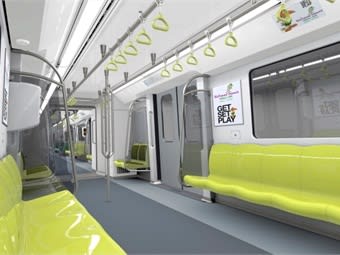
The design of the new Kochi, India Metropolis trainset, built by Alstom, was unveiled by Kochi Metro Rail Limited (KMRL) to Kochi residents.
The new metro will run on the Kochi’s new fully elevated metro rail network. Alstom, which was awarded the supply of 25 Metropolis trainsets in 2014 and two others during the course of 2015, is the main supplier of the city’s new metro network.
The Kochi metro was designed by Alstom’s Design & Styling department in Saint-Ouen in collaboration with the operator KMRL and TATA Elxsi to enhance passenger experience, reflect KMRL’s identity and blend seamlessly into the city.
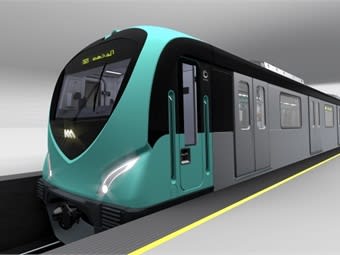
The 213-foot train, composed of 3 cars, has an open gangway allowing passengers to walk from one end of the train to the other. The interior provides a feeling of serenity and security with sections marked in two bright, harmonious colors: green turquoise and lemon used for the seats and the handles, according to the company.
The metro train comprises 136 seats per car in a longitudinal seating arrangement optimizing transport capacity (975 passengers per car) and facilitating passenger boarding. The seats are made of a polyester composite, making them particularly easy to clean and maintain. For the comfort of elderly passengers or pregnant women, priority seats are cushioned. Persons with reduced mobility and wheelchair users will be able to use dedicated areas in the metro car while commuting.
The front end of the train is made of polyester. Mostly green turquoise in color, it perfectly reflects KMRL’s new image, reinforced by the distinctive shape of its curved windshield. Representing an iconic symbol of India, the front LED lights are in the shape of elephant's tusks. As the metro runs on a viaduct, the lights will illuminate the city at night. The side of the train is made of stainless steel. The train panels are made with aluminum and composites as well as anti-graffiti protection. The metro train features four external sliding doors per side making passenger traffic much smoother.
Xavier Allard, Director Design & Styling, Alstom Transport said, “The design of the Kochi metro has set a new benchmark in urban mobility in India with its aesthetically-pleasing and stylish designs and technological innovations promoting greener urban transportation in the country. The metro for Kochi supports KMRL’s efforts to provide a comfortable, attractive and reliable service to Kochi residents and illustrates one of Alstom’s key strategies to enhance passenger experience”.
More Rail
First Full MetroLink Rail Expansion Completed in 20 Years with $192M Airport Project
The project links two St. Louis-area airports by light rail while adding roadway and bike trail connections to improve regional access and mobility.
Read More →
Utilimarc Launches SmartReplace to Optimize Fleet Replacement Decisions
AI-powered SmartReplace helps fleets prioritize vehicle replacements, model budget scenarios, and build more defensible long-term strategies.
Read More →
Scenes from APTA TRANSform & EXPO 2026
Transit leaders, manufacturers, and industry professionals gathered in Chicago to explore new technologies, share ideas, and discuss the future of public transportation.
Read More →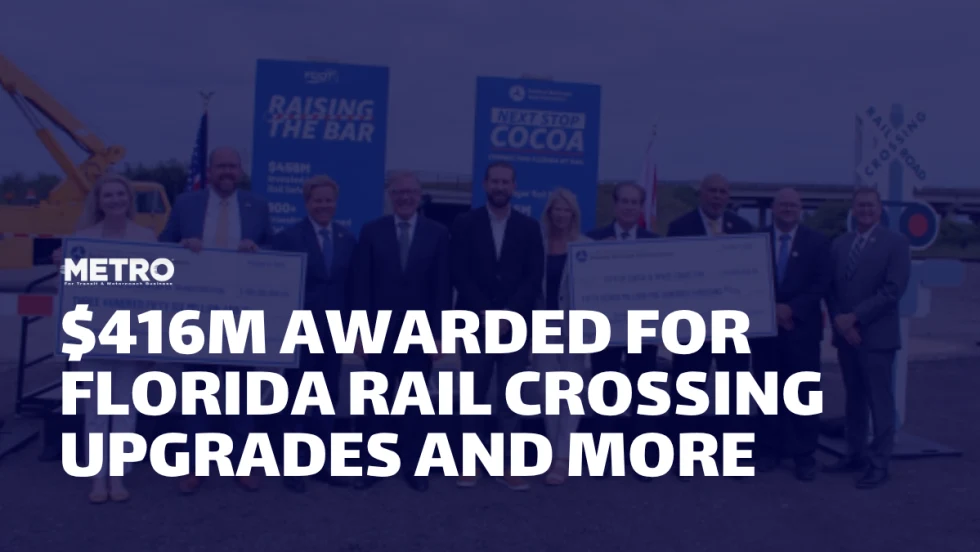
USDOT Awards $416 Million for Florida Rail Crossing Safety Upgrades, New Brightline Station
The projects aim to reduce risks for motorists and pedestrians at rail crossings while expanding passenger rail access along Florida’s Space Coast.
Read More →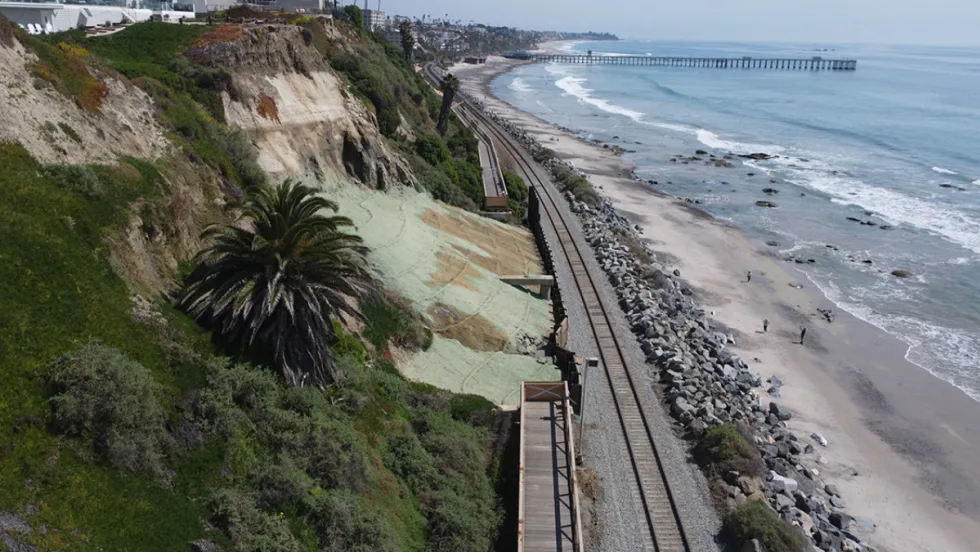
OCTA Declares Emergency to Protect Rail Corridor From Coastal Erosion
The California agency is accelerating shoreline protection and plans to place approximately 690,000 cubic yards of sand along the San Clemente coast to protect a key passenger and freight rail link.
Read More →
More Than a Summer Job: Building the Next Generation of Transit Talent
The Delaware River Port Authority and PATCO have transformed their internship program into a hands-on professional development experience that introduces students to the breadth of transportation careers — and creates a pipeline for future employees.
Read More →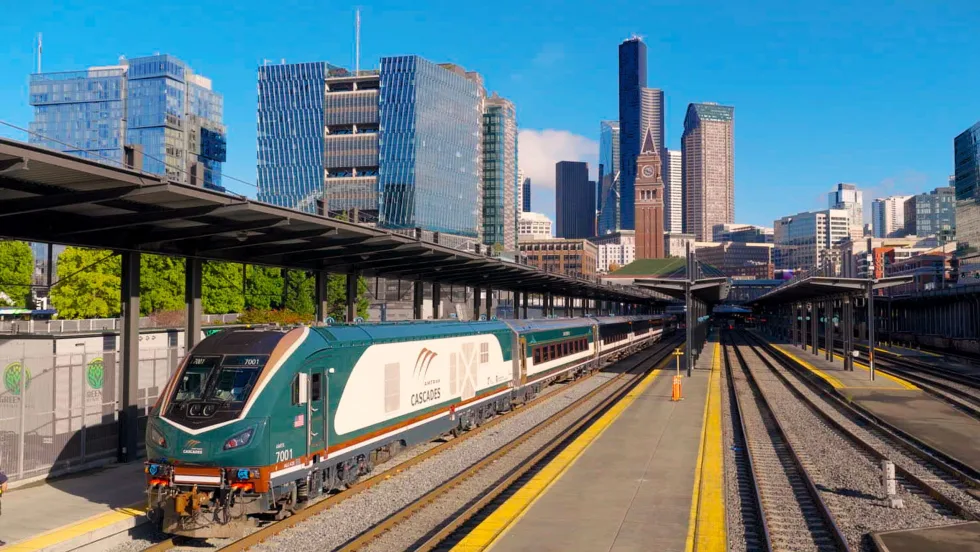
Airo Trains Make Their Amtrak Cascades Debut in the Pacific Northwest
Effective immediately, two cutting-edge Airo trainsets will join the Amtrak Cascades route, operating four daily trips between Vancouver, B.C., Seattle, Portland, and Eugene, Oregon, marking the first introduction of Airo trains into passenger service anywhere in the country.
Read More →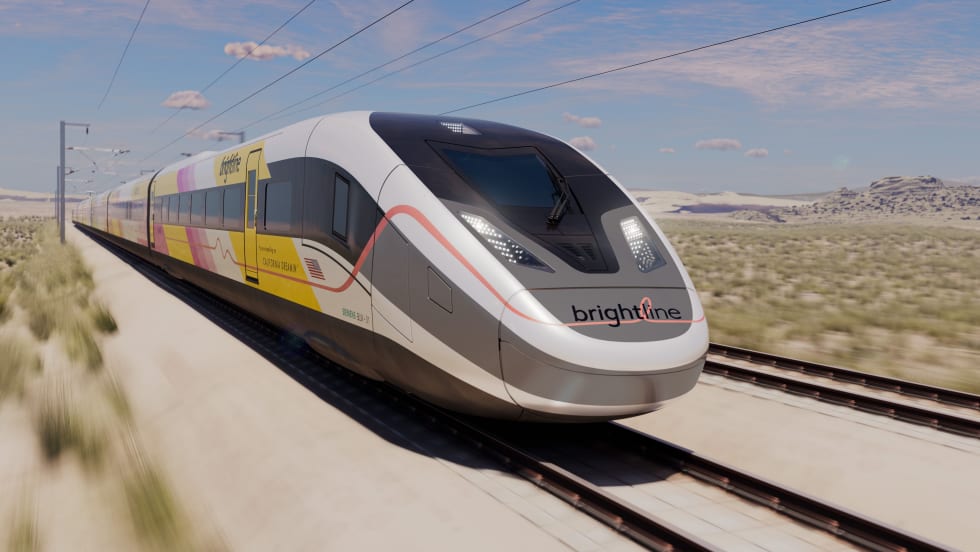
Florida's Brightline Announces Financial Restructuring
Brightline Florida says train operations will continue as normal as certain parent entities enter Chapter 11 and financial stakeholders provide $490 million in new long-term capital.
Read More →
ENC Lands MATA Contract and More in Biz Briefs
In this edition of Biz Briefs, we spotlight the latest developments shaping the future of mobility.
Read More →
Strada360’s Steve Lassey on Turning Transit Data Into Better Decisions
From breaking down data silos to preparing for AI, Strada360 CEO Steve Lassey discusses how transit agencies can use technology to improve operations, customer information, and long-term decision-making.
Read More →