



BYD delivers electric buses to Netherlands
The six-vehicle contract was awarded last June 2012 in Europe's first publicly tendered order for electric-powered full-size buses.

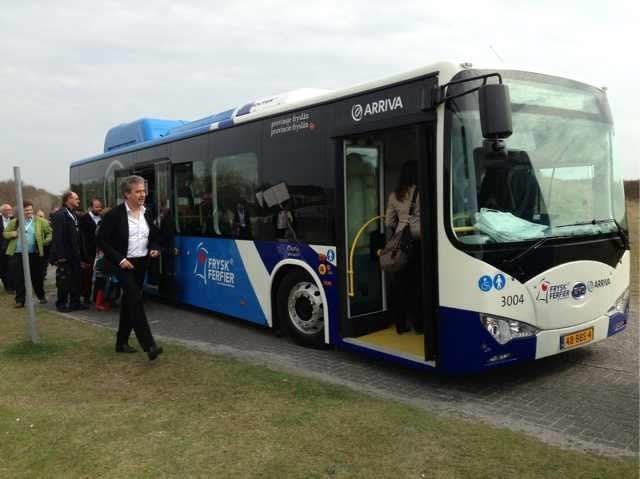
BYD completed delivery of six electric buses for the Netherlands' first National Park in the province of Friesland, Netherlands.
The six vehicles, to be operated by regional bus service Arriva, recently entered service. The vehicle contract was awarded last June 2012 in Europe's first publicaly tendered order for electric-powered full-size buses.
BYD's Electric Bus model is a full-size, 40-foot transit bus, which can accommodate 60 to 70 passengers. Powered entirely by the company's advanced Iron Phosphate batteries, the buses can be charged at night and, with a range of approximatley 155 miles per charge, they can provide service all day without needing another charge, according to company data.
The Friesland-based National Park has become one of the first places in Europe to entirely convert their public transportation to zero-emission, electric buses.
BYD has entered into a 15-year maintenance contract to support the buses in service and will be employing locally recruited mechanics to undertake the work.
BYD electric bus features:
The specially designed wheel-hub motor and the electronically controlled air suspension give the BYD ebus an exceptionally low floor and ample door and floor space for easy disabled and elderly passenger access.
The front windscreen occupies two/thirds of the frontal area of the bus for maximum viewing and safety. The bus body conveys an elegant exterior image, while the interior boasts adjustable leather drivers seating, high-quality leather seats for passengers and a carefully engineered sound insulation keeping the interior ride whisper quiet.
BYD's first pure electric bus also employs many advanced technologies. The Iron-phosphate or "Fe Battery" used on the BYD ebus is non-polluting: the materials contained in the battery can be recycled or easily disposed of.
The bus has no direct emissions, very low noise, regenerative braking, full AC charging in five hours.
More Bus

Report: Transit Bus Manufacturing Supports 34,100 Jobs, $5.1B in GDP
The “Buses Mean Business” report examines the transit bus manufacturing industry’s economic footprint, supply chain, and rising demand for vehicle replacements.
Read More →
Biz Briefs: New Flyer Delivers in Columbus, Houston, Beep and Freebee Merge, and More
In this edition of Biz Briefs, we spotlight the latest developments shaping the future of mobility.
Read More →
People Movement: Dan Dipert Coaches Adds Third-Generation Leader, Keolis Names New Valley Metro VP/GM, and More
In this edition, we also cover recent appointments and announcements at the Wabtec, SilverRide, HNTB, and more, showcasing the individuals helping to shape the future of transportation.
Read More →
New York MTA Plans Largest Bus Fleet Upgrade in More Than a Decade
The agency is seeking manufacturers for 650 new CNG buses to replace aging vehicles, improve reliability, and advance its broader fleet modernization strategy.
Read More →
Building a Flexible Path to Transit Electrification
John Hroncich discusses BAE Systems’ modular and scalable approach, lessons learned from decades of real-world operations, and how agencies can identify electrification strategies that fit their fleets.
Read More →
Bus Tech Talk: Keeping Transit Technicians Ahead of the Technology Curve
LA Metro’s Obed Mejia discusses technician training, evolving maintenance technology, fleet replacement, and strategies for getting the most out of today’s transit fleets.
Read More →
Biz Briefs: RIPTA Unveils New Frontrunners, Clevland RTA Adds New Siemens, and More
In METRO's latest installment, we take a look at recent news from Siemens, Prevost, Dodge, and more partnerships making headlines across the transportation sector.
Read More →
People Movement: Holly Arnold Joins Transdev and More
In this edition, we also cover recent appointments and announcements at Pace, CamTran, MCI, and more, showcasing the individuals helping to shape the future of transportation.
Read More →
The High Cost of Transit Buses: Industry Leaders Look to Procurement Reform
Transit leaders and policymakers examine how standardized bus designs, streamlined procurement, and predictable funding could help agencies stretch budgets and deliver better service.
Read More →
The Business Voice Behind Public Transportation
As chair of APTA’s Business Members Board of Governors, Ray Melleady explains how more than 850 business members are partnering with transit agencies to advance funding, innovation, and industry-wide collaboration.
Read More →