



Chicago becomes largest U.S. city to commit to 100% clean energy
The resolution also calls for complete electrification of Chicago Transit Authority’s bus fleet by 2040.

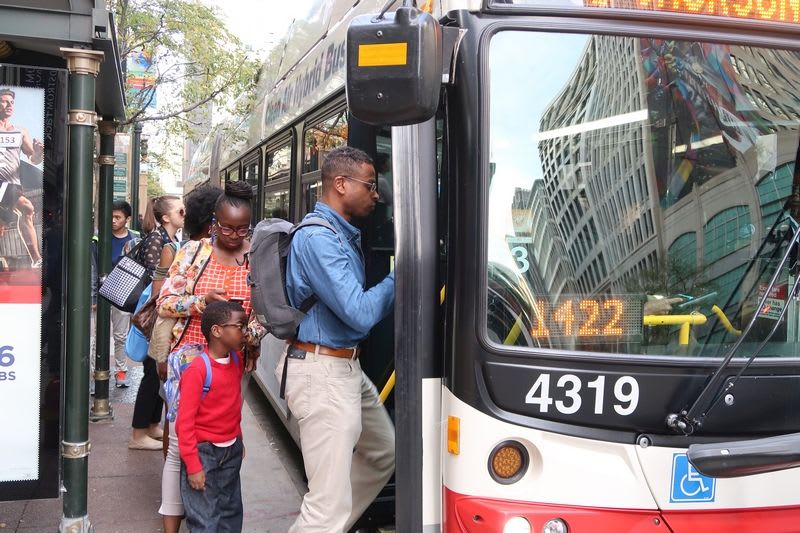
A new Chicago resolution, which calls for transitioning the entire city to 100% clean, renewable energy use by 2035, would also calls for complete electrification of Chicago Transit Authority’s bus fleet by 2040.
Active Transportation Alliance

A new Chicago resolution, which calls for transitioning the entire city to 100% clean, renewable energy use by 2035, would also calls for complete electrification of Chicago Transit Authority’s bus fleet by 2040.
Active Transportation Alliance
The Chicago City Council unanimously voted to establish the goal of transitioning the entire city to 100% clean, renewable energy, like wind and solar, by 2035. Chicago becomes the largest city in the country to make this commitment, following cities like St. Louis, Madison, Atlanta, and San Francisco.
The city’s resolution was championed by the Ready For 100 Chicago Collective, a coalition consisting of several community- and state-based organizations, including Sierra Club Illinois Chapter, Chicago Youth Alliance for Climate Action, People for Community Recovery, Respiratory Health Association, The Climate Reality Project Chicago Chapter, SEIU Local 1, Citizens Utility Board, and other environmental, education, youth, labor, and justice groups across Chicago.
The recently introduced Illinois Clean Energy Jobs Act aims to move the entire state to 100% clean energy by 2050. By adopting its goal today, Chicago provides a state and national model for other communities looking to transition away from fossil fuels.
The resolution also calls for complete electrification of CTA’s bus fleet by 2040. It directs the Mayor’s Office Sustainability Team, in partnership with the Ready for 100 Chicago Collective and other community groups and stakeholders, to develop a community-wide transition plan by December 2020 for achieving 100% renewable electricity.
Chicago joins 118 other cities across the U.S. already committed to an equitable transition to 100 percent clean, renewable energy community-wide, including Evanston in Illinois.
"Joining 118 other cities, Chicago stands in support of developing an energy system that seeks to fortify our city’s infrastructure, reduce disproportionate exposure to pollution and environmental toxins, and enable access to clean power for all residents," said Kyra Woods, Chicago organizer with the Sierra Club’s Ready for 100 Action Campaign.
More Management

METRO Opens Submissions for 2026 Motorcoach Awards
Nominations are now being accepted for METRO Magazine’s Operator of the Year and Innovative Operator of the Year awards.
Read More →
New York MTA Advances Final Contract for Second Avenue Subway Expansion
Contract Four is the largest in the Second Avenue Subway Phase 2 project and includes construction of station infrastructure, tracks, and signals for the subway expansion, MTA officials said. Work on Contract Four will begin in 2027.
Read More →
Transit Agencies Highlight Safety Gains at National Summit
Leaders from 15 major transit systems shared crime-reduction results and safety initiatives while discussing the role of continued federal support.
Read More →

NITA Names New Leadership, Expands Reduced-Fare Program at First Board Meeting
The new regional transit authority appointed its first board chair and interim executive director while extending reduced fares across CTA, Metra, and Pace for eligible riders.
Read More →
Beyond the Checklist: A Structured Approach to Transit Maintenance
Reliability-Centered Maintenance helps transit agencies move beyond routine checklists to focus limited resources on the assets and failures that have the greatest impact on safety, reliability, and service.
Read More →
APTA 2026 Nominating Committee Selects Leadership Slate, Names Chair and Vice Chair Nominees
Leadership changes will help shape the association’s priorities and its representation of the transportation industry during the 2026–2027 term.
Read More →
DART Launches Major Security, Fare Enforcement Initiative
The 90-day demonstration will deploy coordinated security teams at five light rail stations while testing controlled access and gathering data to guide future investments.
Read More →
Advancing Fare Collection Through Technology and Innovation
Learn about delivering 1300 gates at 91 stations while managing fare evasion. Explore the large scale deployment, solution customization and real-world results that affect the region. Prepare for deployment in your region now.
Read More →
Game Day in Motion: Moving Millions During the 2026 World Cup
Between packed transit stations and team motorcoaches, see how agencies and operators across North America tackled the transportation demands of the 2026 FIFA World Cup.
Read More →
Surface Transportation Extension Averts Shutdown, Leaves Transit Funding Gap
The stopgap keeps federal transportation programs moving, but missing advance funding could complicate the transit and rail projects agencies are planning next.
Read More →